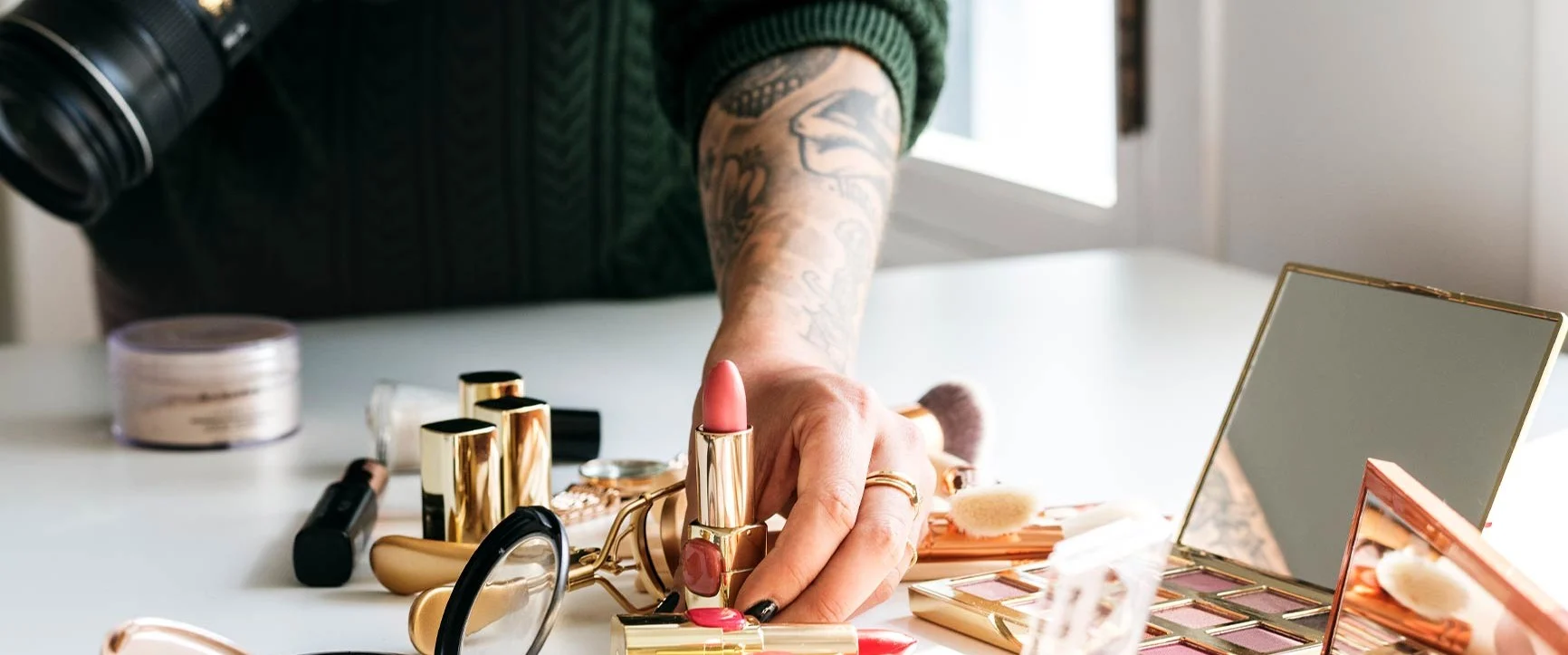
The Art of Product Photography
By WhiteWall expert Jan-Ole Schmidt
Product photography is indispensable in many fields. In e-commerce, print advertising, and catalogs, it plays a crucial role by showcasing products in a way that highlights their features and appeals to buyers. From a small perfume bottle to large objects like cars—product photography presents a wide range of challenges, from the right equipment and lighting to post-processing. This article explains in detail how to photograph products of any size optimally and offers valuable tips for amateur photographers and photography enthusiasts.
The Right Equipment for Product Photography
Equipment is the foundation of product photography and has a decisive influence on the quality and style of the images. Unlike other areas of photography, where creative expression is often the focus, product photography is about a precise, detailed, and technically perfect representation of the subject. Equipment requirements vary depending on the product. A good understanding of the necessary cameras, lenses, and accessories is therefore the key to success in this field.
Choosing a Camera: Flexibility and Precision
In product photography, the choice of camera plays a crucial role, as every detail must be made visible. Digital single-lens reflex (DSLR) cameras and mirrorless system cameras are particularly recommended here, as they offer full manual control over all relevant settings such as aperture, shutter speed, and ISO. These cameras are capable of delivering detailed, high-resolution images that are well-suited for capturing surface textures, colors, and shapes.
For smaller products such as perfume bottles or jewelry, the size of the sensor is particularly important. A camera with at least 24 megapixels—preferably 45 to 60 megapixels—ensures that even the smallest details, such as engravings, textures, or materials, are rendered precisely and sharply. This is where full-frame and medium-format cameras, with their large sensors designed for the highest image quality, truly shine. Especially with small objects, it is crucial that the sensor captures every detail, no matter how small, since the buyer often cannot physically see or touch the product. This is particularly true for customers in online stores.
Full-frame and medium-format cameras with high resolutions—which can easily reach 100 megapixels in the medium format—offer another advantage in product photography. In an era of highly varied image formats for social media, advertising spaces, brochures, etc., high resolutions give photographers the ability to capture subjects with significantly more negative space around them in the frame, so they can later crop various image formats from a single image— —while maintaining excellent image quality thanks to the high base resolution.
Lenses: The Key to Sharp Images
Choosing the right lens is just as crucial as choosing the right camera. Different product sizes and types require different lenses to present the product in the best possible light. For small products like perfumes, watches, or jewelry, macro lenses are indispensable. They allow you to get extremely close to the object and capture even the finest details—such as the texture of a perfume bottle or the engraving on a piece of jewelry—with sharp clarity. A macro lens with a focal length of 90 mm to 105 mm typically offers the best combination of sharpness, detail, and a comfortable shooting distance from the product.
For larger products, such as cars, choosing a standard zoom lens or a wide-angle lens makes sense. A 24–70 mm zoom lens provides the flexibility to take both wide-angle shots of the entire vehicle and close-ups of specific parts, such as the headlights or the interior. A wide-angle lens, such as a 16–35 mm, allows you to capture the entire vehicle in its surroundings or photograph the interior of a vehicle.
Telephoto lenses can also be useful when photographing large products, as they allow you to capture the subject from a distance without perspective distortion.
Tripods and Remote Shutters: Stability and Precision
In product photography, it is important that the camera remains stable to ensure blur-free and razor-sharp images. Tripods are therefore part of every product photographer’s basic equipment. They allow for precise camera alignment and help prevent camera shake even during long exposure times. Tripods are especially indispensable when photographing smaller products or taking macro shots, where the depth of field is often shallow, as even the slightest vibrations can lead to blurry results in macro photography.
In addition, a remote shutter release can be used to trigger the camera without touching it. This also helps prevent camera shake. In the studio, remote triggering via tethered shooting (photography connected to a computer) is also a good option. This allows you to set the camera’s shooting parameters directly on the computer and then trigger the camera via the computer. This is particularly useful when the camera is mounted on a tripod, the frame is fixed, and you want to test different exposure settings.
Lighting in Product Photography
Light is an essential component of product photography and plays a decisive role in image quality and the overall impression. Well-planned lighting can make a product appear clear and appealing, while poor lighting distorts details and colors and makes the product appear less attractive. Depending on the material properties and size of the product, there are various techniques and light sources used in product photography. The proper use of light helps to present the product in a way that optimally highlights its shape, color, and texture. In doing so, it is often necessary to weigh the pros and cons of natural versus artificial light and choose the appropriate technique based on the type of product.
Natural Light vs. Artificial Light
Natural light provides soft and even illumination, creating a natural and authentic atmosphere, especially for smaller products such as perfume bottles or decorative items. Natural light is a practical starting point, particularly for beginners, as it involves minimal costs for items like light modifiers and requires no additional light sources. A well-lit window provides soft light that can be made even softer using diffusers such as a white cloth. However, natural light has the disadvantage of changing throughout the day and being difficult to control, especially in changing weather conditions.
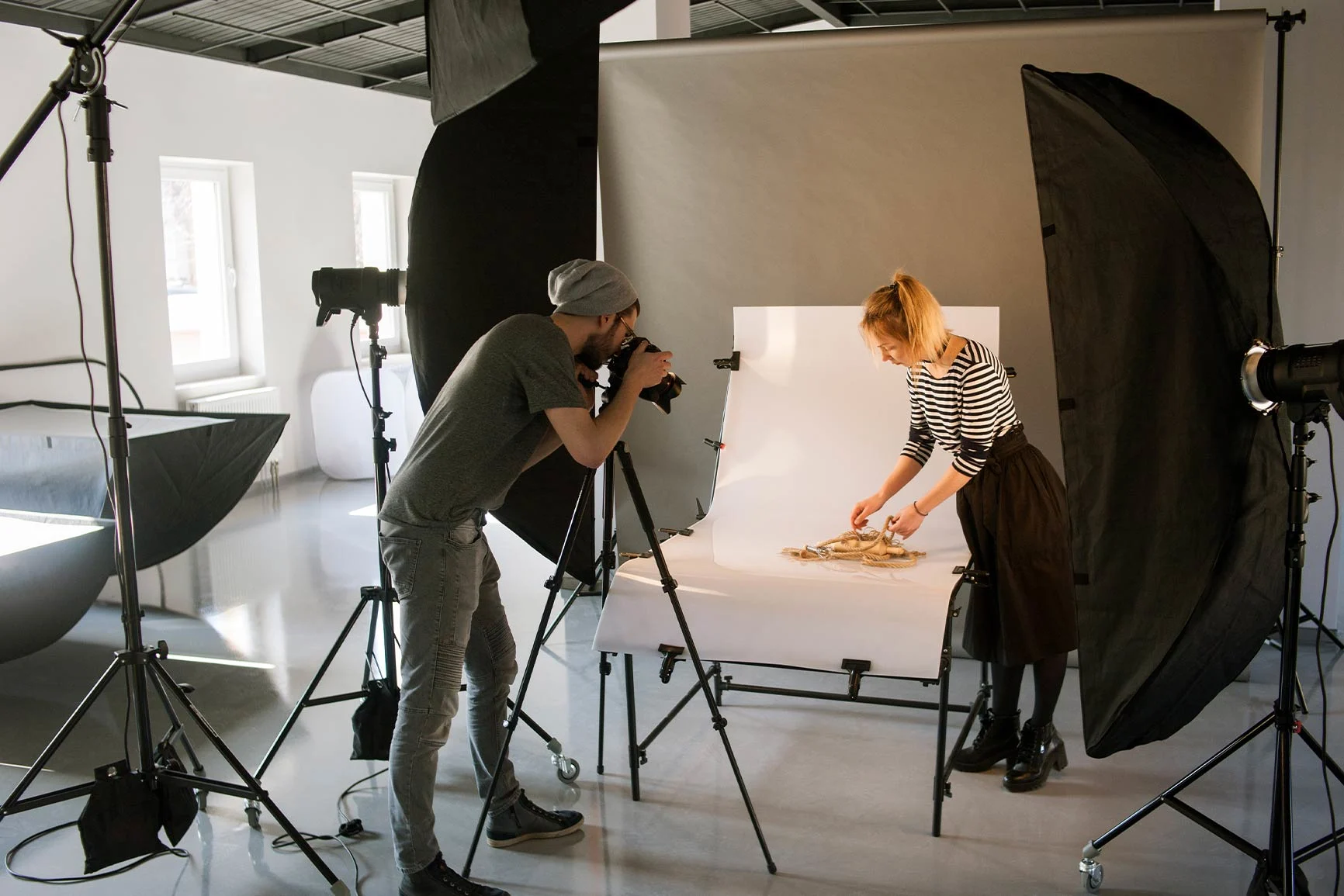
Artificial light, on the other hand, offers complete control and consistent conditions. This is particularly important for professional product photography, as it allows for consistent results. Studios typically use softboxes, flash units, continuous LED lights, and ring lights, which enable precise control over light intensity and direction. A major advantage of artificial lighting is that it can be used independently of ambient light and is therefore available under consistent conditions at all times. Artificial light is often the better choice, especially for shiny or transparent products such as glass bottles or metal surfaces, as it can be precisely directed and shaped.
Softboxes and diffusers: Even light without harsh shadows
Softboxes are an indispensable tool in product photography. They produce a soft, diffused light that reduces shadows and illuminates the product evenly. A softbox scatters the light and avoids harsh edges and excessive reflections, which can be particularly distracting on reflective surfaces. For small products such as perfume bottles or watches, softboxes with a diameter of 30 to 60 centimeters are usually sufficient. Larger products such as cars require larger softboxes or even multiple light sources to evenly illuminate the entire object.
Diffusers are often used in combination with softboxes or direct light to reduce brightness and achieve a soft light distribution. A diffuser made of a special light-diffusing material is positioned between the light source and the product. This prevents direct reflections on shiny surfaces and achieves even illumination, which is particularly important for surfaces such as glass or metal. Diffusers are indispensable in product photography to avoid distracting hotspots and reflections and to highlight the product’s natural texture.
Lighting for Different Product Types
Lighting must always be adapted to the product to highlight its characteristics and structure. For small, shiny, or reflective products such as perfume bottles or jewelry, a light tent can be very helpful. A light tent is a translucent box that surrounds the product on all sides. It diffuses the light coming in from the outside and ensures even illumination. The light tent prevents harsh shadows and ensures that reflections are minimized. This technique is frequently used in the photography of jewelry or cosmetic products, where a clear and shadow-free presentation is essential.
With large products like cars, lighting is more complex, as the entire vehicle must be illuminated and reflections on the glossy paint surface must be avoided. Multiple light sources distributed around the car help distribute the light evenly across the object and create targeted highlights that emphasize the vehicle’s shape. Softboxes and reflectors are strategically placed to highlight the contours and create a professional presentation.
Ring and spot lighting for special effects
Ring lights are particularly popular for small products such as perfume bottles or jewelry. They produce a soft, even light, and their circular shape helps prevent unwanted shadows. A ring light can be positioned directly around the lens so that the product is evenly illuminated from the front.
When photographing technical devices, such as electronics or watches, combining spot and diffused lighting allows you to focus on specific areas. Spot light sources can be used to create targeted accents that highlight a product’s materials and details. Structures and textures are more strongly emphasized by spot lighting, which is particularly effective on matte surfaces or materials with distinctive properties, such as wood or metal.
The Perfect Background
Background Colors and Textures
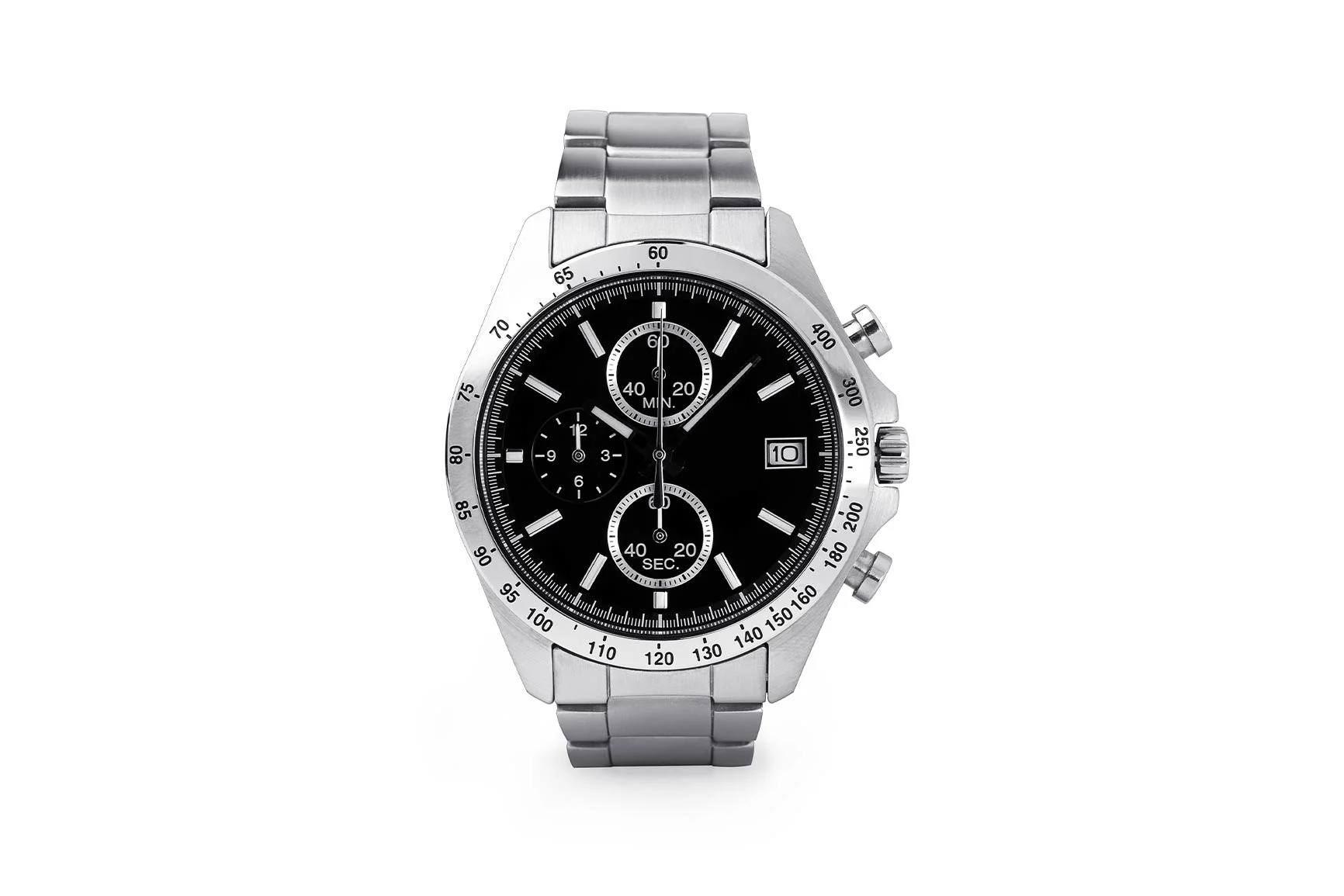
The background is crucial for presenting the product in the best light and eliminating distracting elements. A neutral background, such as white or black, directs the eye to what matters most and lets the product speak for itself. Especially for small products like perfume or jewelry, a white background provides clarity and highlights the object’s details.
For large products like cars, a neutral background in the form of a photo studio is often used to present the car without distractions. It’s important to view the background not just as an empty space, but also as an opportunity to highlight the product. A light-colored floor, combined with a gray or black background, enhances the vehicle’s elegance and contours.
Cropping Techniques
In product photography, it is often necessary to isolate the object, especially for use in online stores or catalogs. For smaller products, a white or neutral background is suitable, as it allows the product to be easily digitally edited and isolated later.
Composition and Styling in Product Photography
Image Composition and Perspectives
Good image composition is the key to appealing product photos. The rule of thirds, in which the image is mentally divided into nine equal sections, with the main subject placed along the lines or at the intersections, and the golden ratio help to place the product harmoniously within the frame and create visual interest.
For larger products like cars, the choice of perspective is crucial. A car appears more dynamic and powerful when photographed from a slightly elevated or lowered position. A side shot emphasizes the vehicle’s lines and adds depth and dimension to the image.
Styling and Accessories
The styling of the product also plays an important role in presenting it in an attractive and sales-promoting way. For smaller products like perfume bottles, decorative elements such as flowers, fabrics, or accessories can be used to create an emotional connection and highlight the product’s features. However, care should be taken to ensure that the main product always remains the focal point and is not overshadowed by the accessories.
For large products like cars, the styling is more subtle. Here, the focus is often on presenting the car in a suitable setting. A car photographed in an urban setting conveys modernity and dynamism, while a car photographed in a natural landscape symbolizes freedom and adventure.
Product Tip: For product photos where fine details and high sharpness are crucial, WhiteWall’s ultraHD print is ideal. The ultraHD sharpness setting offers extremely high detail accuracy and is particularly suitable for product photos that showcase textures, materials, and surface structures, such as technical products or watches.
More information about Photo Prints
Color Management and White Balance
Precise color reproduction is a must in product photography, especially when the product’s color is a key selling point. A correctly set white balance helps reproduce colors neutrally and authentically. Particularly in studio photography, where artificial lighting is often used, it is important to set the white balance manually to avoid color casts.
Furthermore, a calibrated monitor is essential to ensure that the colors on the screen match the actual product colors. This prevents product images from looking different on various output devices and confusing customers.
Challenges in Product Photography
Reflections often pose a challenge in product photography, especially when dealing with shiny or reflective products such as glass or metal. The use of polarizing filters can help reduce distracting reflections while simultaneously bringing out the product’s colors and details more effectively. A polarizing filter is attached in front of the lens and can filter out light waves that reflect at certain angles ( ). This can be helpful not only for metallic surfaces but also for products presented in packaging with plastic windows.
The arrangement of the light sources can also make a big difference. When light sources are directed directly from the front onto shiny surfaces, hotspots and bright spots often occur, which overshadow the product’s texture. To avoid this, the light is directed partially from above or from the side onto the object. Diffusers, softboxes, and reflective surfaces such as white cardboard or special reflectors ensure that the light is evenly distributed and no overexposed areas occur.
Product Tip: A photo behind acrylic glass from WhiteWall is ideal for product images featuring vibrant colors and sharp details. The acrylic glass coating enhances depth and color intensity, making glossy and reflective products stand out.
More information about photos behind acrylic glass
Post-processing in product photography
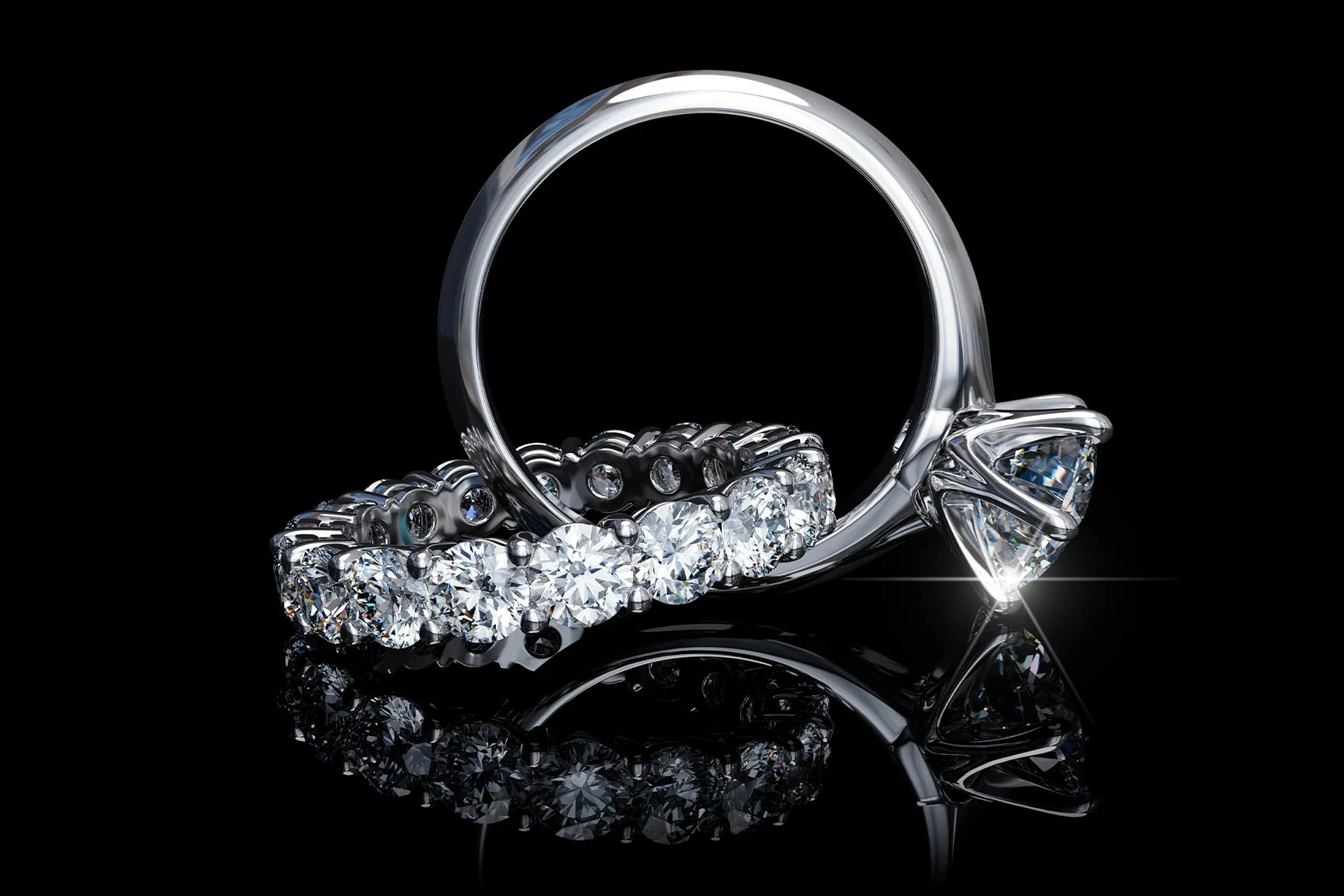
Post-processing plays a crucial role in product photography to perfect the image. Brightness, contrast, and sharpness should be adjusted to showcase the product in the best possible light. By cropping and editing the background, it is possible to present the product without distracting elements and integrate it into a layout or website at a later stage.
Conclusion
Product photography offers a wide range of creative possibilities for presenting products in an appealing way. From choosing the right equipment and lighting to post-processing—every step contributes to creating an image that is not only aesthetically pleasing but also informative and sales-promoting. Whether small objects like perfume bottles or large ones like cars—with the right technique, products can be perfectly showcased.
Product Tip: With a selection of elegant frames, WhiteWall offers a simple and high-quality way to add depth to product images while protecting them from external influences.
Learn more about the author
Jan-Ole Schmidt (better known simply as Ole) is from northern Germany and has been with WhiteWall for many years. As a team leader in product management, he brings extensive experience in the photography industry. He taught himself photography and has built up in-depth expertise in image production, papers, laminations, and framing.
His strength lies in the combination of technical expertise and customer perspective - from file upload to framing in the WhiteWall configurator. Ole has held workshops, been a guest on podcasts and is in close contact with the photography community. He lives, works and photographs in Cologne.

WhiteWall Product Recommendations


We’re Happy To Help
Stores Need assistance?Our team will help you select the perfect products!Discover Now
Customer Service Feel free to call us at 1-646-513-4422 or send us an email at info@whitewall.com.Contact
Gift Certificates The Right Photo GiftDiscover Now
