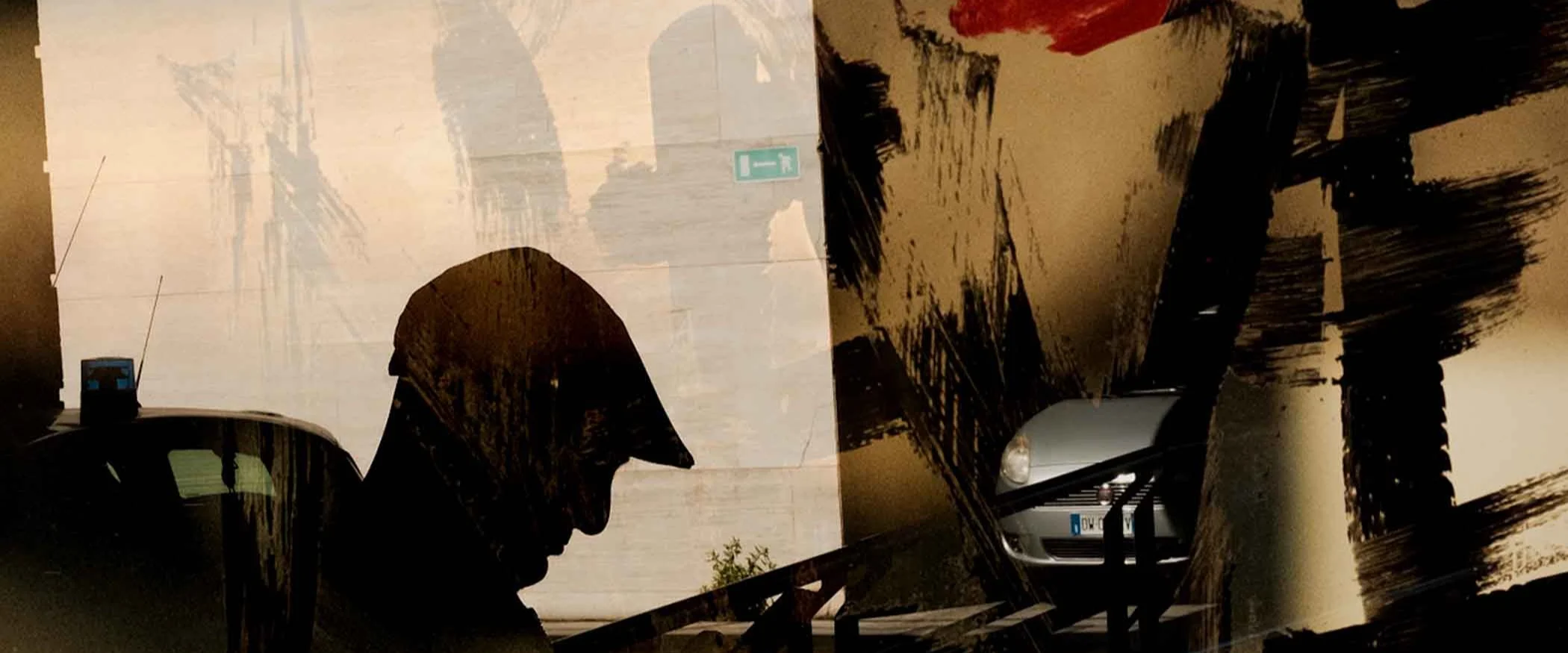
Geometry, Light, and Hidden Levels
In our interview, Marta speaks about the evolution of her visual language, her fascination with reflections and double exposures, and the influence of mathematics and architecture on her work.
Marta Fabris on Mathematical Aesthetics and Urban Reflections
You were born and still live in Padova, Italy, and work as a mathematics teacher. How did photography become such an important part of your life?
Photography entered my life almost by chance in 2021. It started as something of a game, but over time it became an integral part of my life. When I dedicate myself to my "photographic hunt," I forget everything and let myself be completely absorbed by the environment around me. I feel at one with spaces and light, I express my creativity. I think I am truly myself – I feel no constraints, no pressure.
How does your work as a mathematics teacher influence your photography?
Shapes, lines, and geometries help me decode space and light. I love essential, minimal spaces, with an approach that is at times very rational. I try to place the few elements in my photographs according to a geometric aesthetic vision.
You often describe the city as a stage. What are you looking for when you move through urban spaces with your camera, and what makes an everyday moment meaningful to you?
When I move with my camera, I try to keep my mind as free as possible from any preconception or idea. I like to capture exactly what the surrounding environment offers me, and I avoid going out with a precise shooting project already in mind, as that might prevent me from seeing other realities or seizing other opportunities.
If I come across an urban scene that could fit within my photographic narrative, I wait for the right moment to shoot the ideal subject. I generally orient my shots according to the light: if there are shadows, I try to make the most of them; if the light is intense, I focus on reflections; if it is dim, I work with double exposures. An everyday moment becomes meaningful when it gives me the chance to convey something.
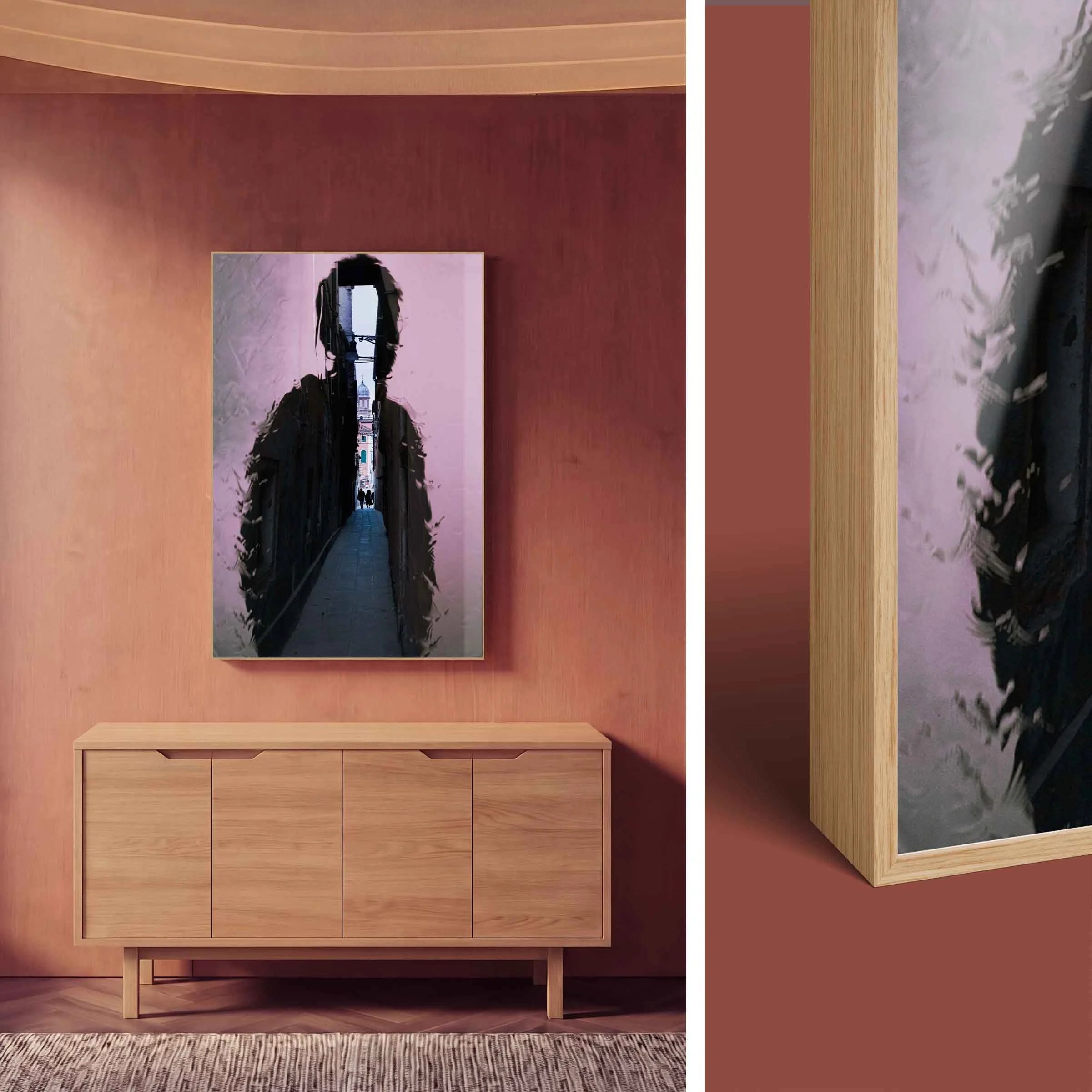
Photo: Marta Fabris | Intense light, reflections and shimmering details unfold their full effect behind high-quality acrylic glass. The oak ArtBox gives the image impressive depth and presence within the space.
What makes a scene worth capturing for you?
It has to move me. It has to give me the sense of telling a life scene worth sharing, a reflection to think about, a combination of colors to be fascinated by. It is an instantaneous, immediate situation, one that travels alongside my emotions.
How does architecture influence your images?
Architecture, in its beauty, offers endless inspiration. Sometimes it elevates people, in its design; sometimes it allows humanity to express itself at its best. But at the center of the story, there is always the human being, in their greatness – and their smallness.
Reflections and double exposures appear frequently in your photography. What draws you to these layered images?
It is a visual language that allows you to tell multiple stories in a single image. I find double exposures tremendously powerful, intense – sometimes unique for the richness of their details. It is a layering in which time itself sometimes surfaces.
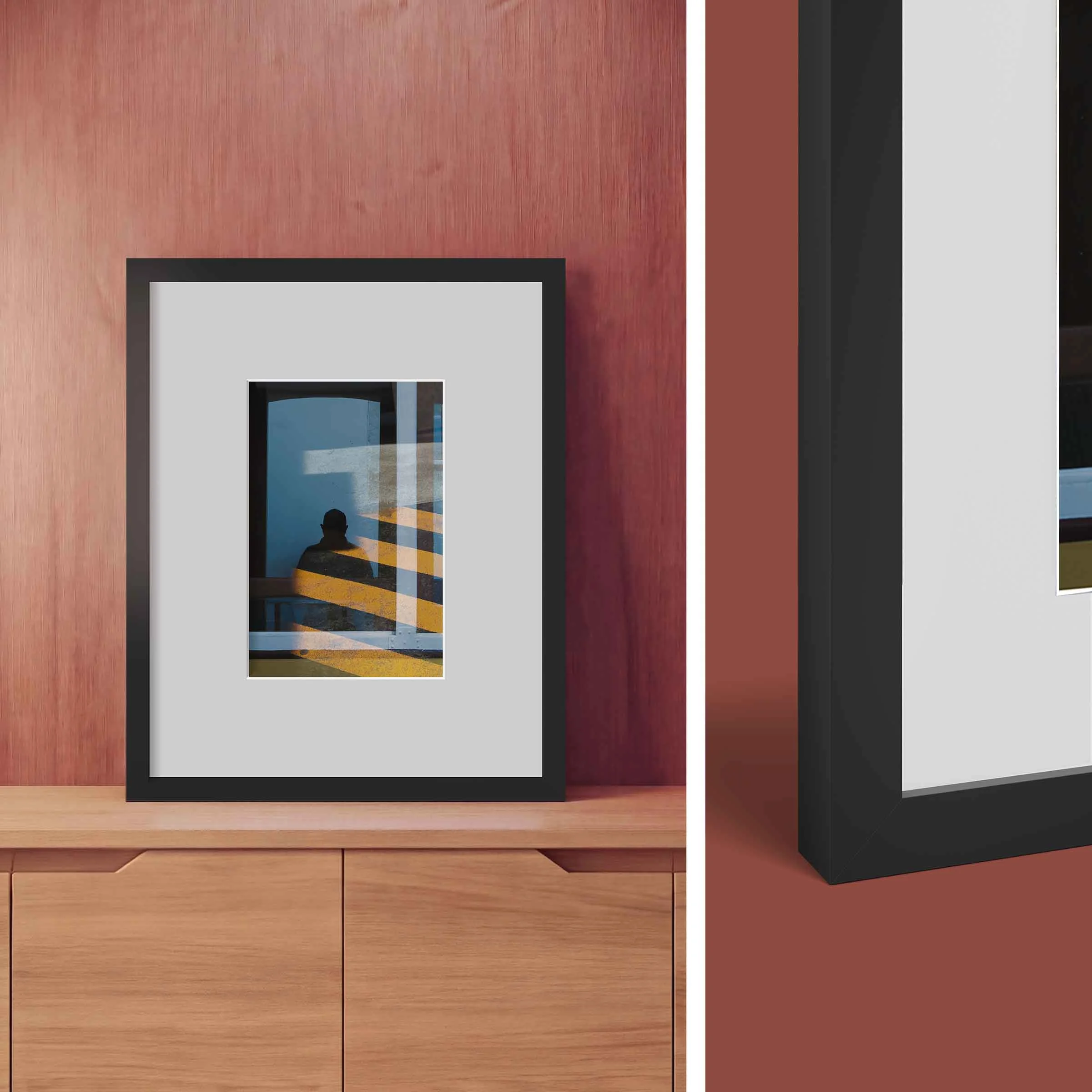
Photo: Marta Fabris | The finely textured surface of Hahnemühle FineArt Pearl adds depth and expression to the layered composition. The Hamburg passe-partout frame in black directs attention with its timeless gallery aesthetic.
You say your photography is not static, but constantly evolving, just like life. How has your visual language changed over time?
I believe my visual language changes month by month. While I have my own distinctive signature, I am always searching for details that can enhance the image or the narrative. The beauty of photography is that it offers an infinite range of possibilities and depths – you never stop learning or exploring.
Your images often contain subtle layers, textures, reflections, and deep tonal contrasts. What changes for you when these images are printed rather than viewed on a screen?
It is always very moving to see your own photographs reproduced in print. It feels like freezing time even further on that moment, which remains concretely fixed in reality.
How important is the choice of material, surface, and format when presenting your work physically?
I have always trusted the choices made by the curators who have exhibited my images, and so far I have always been happy with the result. Of course, I know that the quality of a print can significantly change how an image reads.
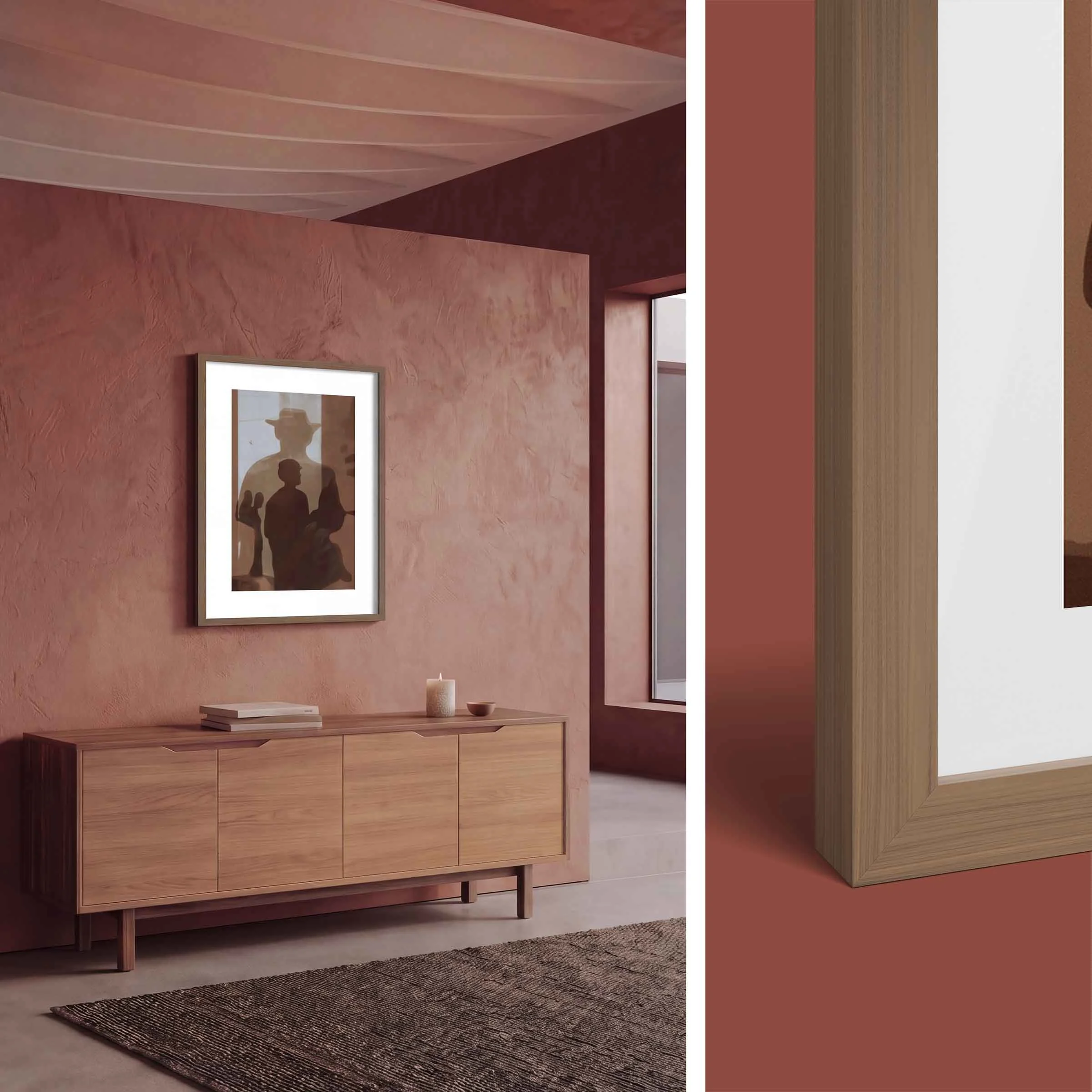
Foto: Marta Fabris | The warm appearance of the Hamburg passe-partout frame in walnut and the distinctive texture of Hahnemühle William Turner Fine Art paper complement the image harmoniously. Its watercolour texture creates a natural, almost painterly effect.
What advice would you give to photographers who want to develop a more personal way of seeing the city?
To look at many images by other photographers, to visit exhibitions, and to shoot extensively on a theme in order to master the various photographic techniques.
Especially in the beginning, in my free time, I always carried my camera with me, so I could experiment and try things out. Mistakes are very valuable, as are the apparently "useless" shots – because reviewing the final result on screen helps improve your composition.
I felt myself improving visibly after dedicating a certain amount of time to specific photographic techniques, and then deciding whether they belonged to me or not. And so there was the period of astrophotography, of night photography, of portraits, of urban photography, of long exposures, and so on…
What else should we know about you?
I think I tell a great deal about myself through my photographs. It is my vision of life – a curiosity and enthusiasm that never stop.
Photography, for me, is an opportunity to look at reality with a different eye, one that catches new nuances and details. It lets me see the character of a place and its people at their best. It makes me feel like a citizen of the world.
WhiteWall Product Recommendations


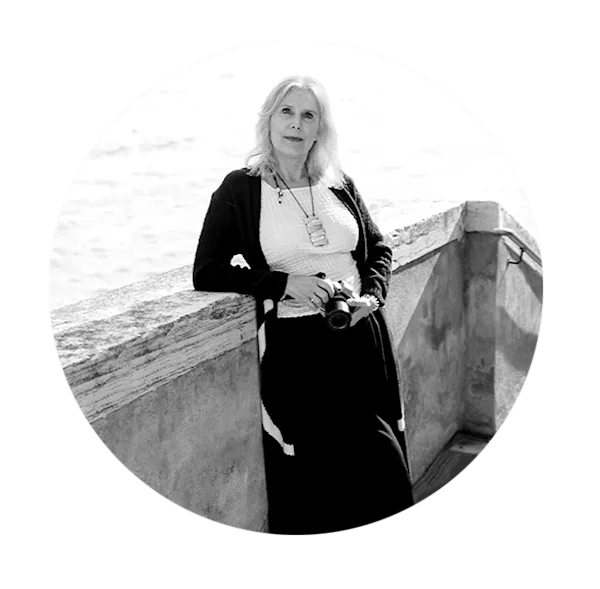
Marta Fabris
Marta Fabris lives and works in Padua, Italy. Alongside her work as a mathematics teacher, she has devoted herself intensively to photography since 2021. For Marta, photography is far more than a creative medium – it is a way of looking at reality differently and discovering new nuances and details.
Also Interesting:
Submitted by WhiteWall Team

Interview with architectural photographer Dan Alka
Architectural photographer Dan Alka discusses his creative perspective on space, light, and structure—from his childhood in Ostrava to his collaboration with WhiteWall. An inspiring interview about patience, perception, and the art of making architecture tangible.
Submitted by WhiteWall Team

Distorted realities with Aleksandr Babarikin
With his street photographs taken in New York, Belarusian photographer Aleksandr Babarikin creates a space in which the viewer can immerse themselves and find their own interpretations. With long exposure times, dynamic camera movements, blurring, distortions and reflections, he conveys an abstract impression of the world around him in captivating shapes and colors.
Submitted by WhiteWall Team

Faces in the Rain – Interview with Maximilian Streich
Where others see only gray, rainy days, Maximilian Streich discovers magical moments in the interplay of water and light. In his series The Liquid Faces, reflections on wet surfaces reveal faces and figures – fleeting apparitions that exist for only a moment before disappearing again.
B2B, product samples & consultations
Shopify
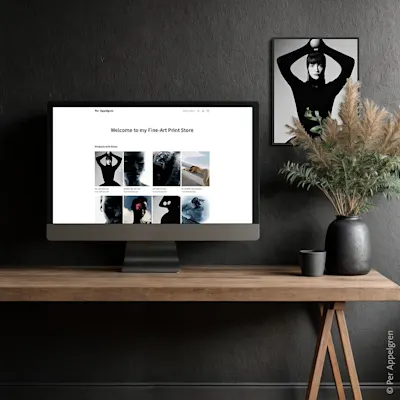
Shopify
Thanks to seamless Shopify API integration, you can sell your images directly through your own Shopify store—fully automated and with minimal effort.
Products
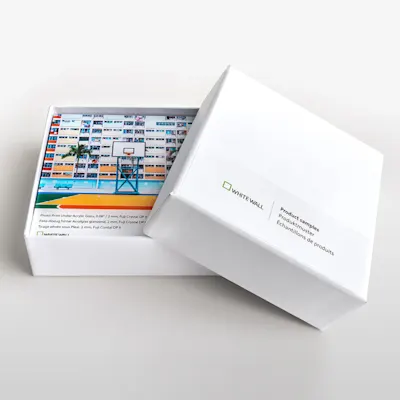
Product samples
Experience our product firsthand and discover the perfect presentation for your photography. Our product samples allow you to compare the individual properties of our different materials.
Digital consultation
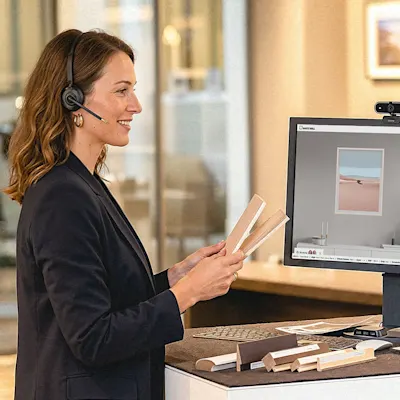
Digital consultation
Let our experts give you comprehensive advice about our products in a virtual appointment.