Mastering portrait photography: techniques, equipment, and creative approaches
By WhiteWall expert Jan-Ole Schmidt
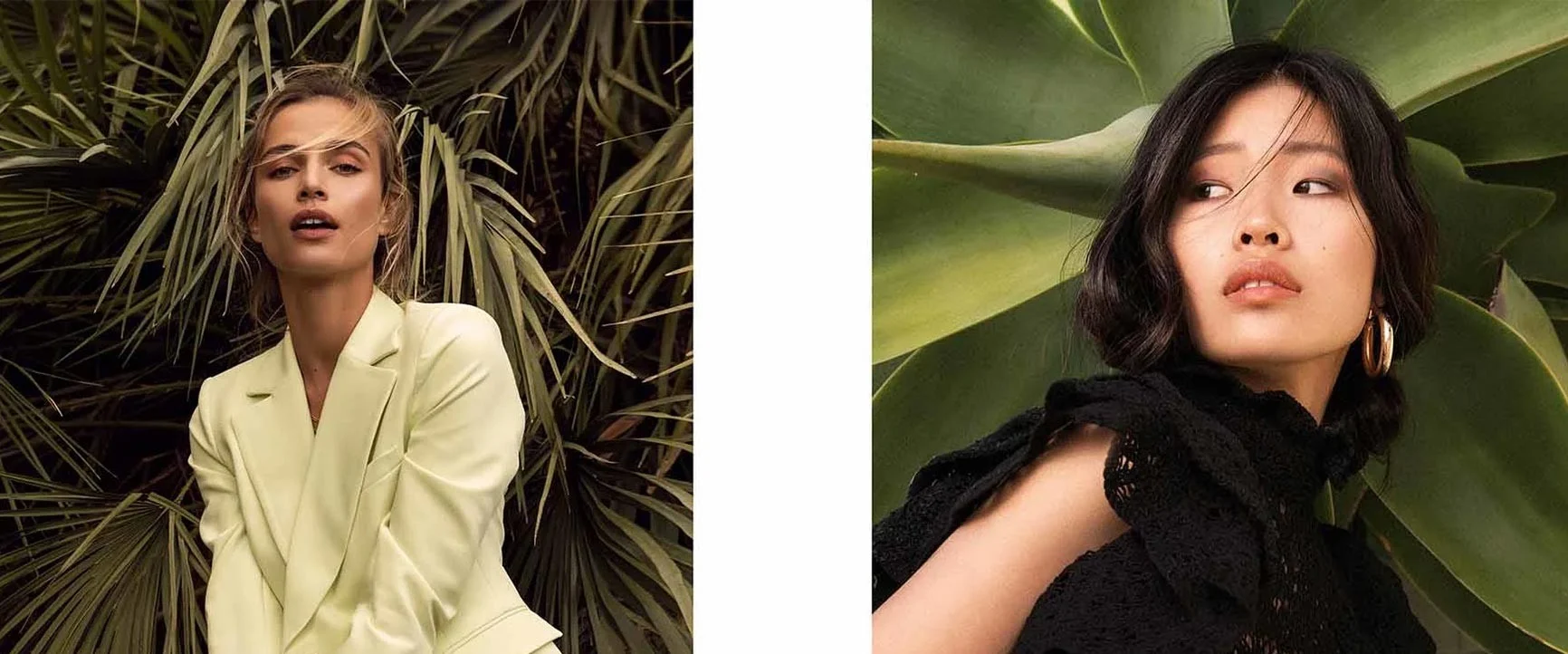
Portrait photography is one of the most fascinating and challenging disciplines in photography. It goes beyond simply capturing a face—it tells stories, captures emotions, and reveals a person’s character. This in-depth article explores the key aspects of portrait photography and demonstrates how targeted techniques and creative approaches can result in expressive portraits.
The Right Equipment for Portrait Photography
Cameras and Lenses
Modern digital single-lens reflex (DSLR) cameras and mirrorless system cameras offer the best conditions for creative and technically demanding portrait photography. The advantage of these cameras lies in their extensive manual settings, which allow for precise control of exposure, aperture, and ISO.
The lens plays just as important a role as the camera itself. In particular, prime lenses with focal lengths between 50 mm and 85 mm are ideal for portraits. These focal lengths closely match the natural field of view of the human eye and allow for a natural depiction of the subject without distortion. A lens with an aperture of f/1.4 to f/2.8 also offers the ability to work with a shallow depth of field, which is very appealing for portrait photography. This allows the background to be rendered in a soft blur while the model’s face remains in focus.
For example, an 85mm lens with an aperture of f/1.8 allows you to bring the subject into the foreground while creating a soft, creamy background (also known as bokeh). This draws the focus to the face and ensures a professional result. For close-ups, macro lenses are useful for precisely capturing fine details such as eyes or skin textures.
Tripods and Remote Shutters
In portrait photography, handheld shooting is very common to quickly adapt to the model’s movements and remain flexible. Nevertheless, using a tripod can be helpful to prevent camera shake, especially with longer exposure times. A tripod is also advantageous for self-portraits. A remote shutter release can also help prevent camera shake when taking the shot or trigger the camera when you’re standing in front of it.
Lighting in Portrait Photography
Natural and Artificial Light
Light is a central element in portrait photography. The choice between natural light and studio lighting depends heavily on the desired result. Natural light, such as that available through windows or during outdoor shoots, creates an authentic lighting atmosphere. Direct sunlight, especially around noon, produces very harsh contrasts. A cloudy sky or the use of a diffuser in bright sunlight, on the other hand, ensures that the light falls evenly on the model’s face without creating harsh shadows. If neither clouds nor a diffuser are available during outdoor shoots, you can simply move to a shady spot under trees or near a building.
For specific lighting effects or consistent conditions, working with studio lighting is ideal. Studio flashes or continuous lights allow for precise control of light intensity and direction. With softboxes or reflectors, the light can be softened so that the model is evenly illuminated. For dramatic effects, spotlights can also be used to highlight specific facial features.
Classic Lighting Setups
Various lighting setups are used in portrait photography. A classic example is Rembrandt lighting, in which the light falls on the model’s face at an angle of about 45 degrees. This technique creates a characteristic triangular shadow under the eye on the shadow side of the face. It lends the portrait depth and a slightly dramatic effect.
Another popular option is the butterfly light, where the light source is positioned directly in front of and above the model. This light creates soft shadows under the nose that resemble the shape of a butterfly. This lighting is particularly well-suited for glamorous portraits, as it illuminates the face in a flattering and symmetrical way. Product tip: Outdoor and studio portraits with creative lighting really stand out on a Photo Print on aluminum Dibond. The matte, non-reflective surface ensures that every detail is clearly visible without distracting reflections.
The Right Image Composition
Rule of Thirds and Focus Points
The composition of the image determines how the portrait appears to the viewer. One of the most important compositional rules in photography is the rule of thirds. In this method, the image is mentally divided into nine equal parts by two horizontal and two vertical lines. The main points of the image—for example, the model’s eyes—should be located at the intersection of these lines or on one of these lines to create a balanced, harmonious image.
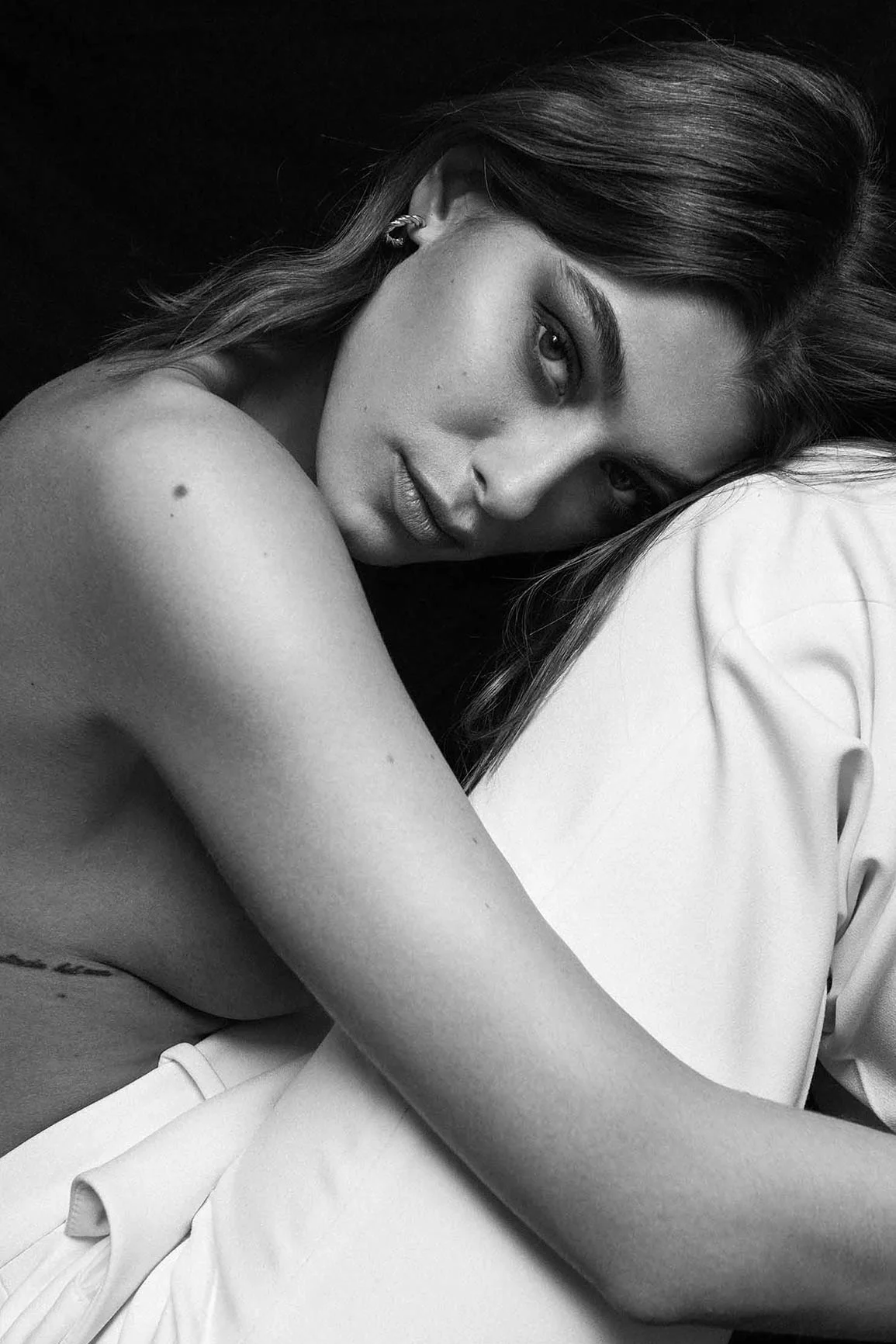
In portrait photography, the eyes are particularly important, as they are often the central element of the image. Ideally, the focus should be on the eyes, as they reflect the model’s emotions and expression . An image in which the eyes are in focus and the rest of the face and the background are blurred often has a particularly intense effect.
Perspectives and Angles
The choice of perspective and shooting angle has a major influence on how the subject is perceived. A shot taken at eye level appears authentic. A portrait taken from above can make the subject appear more delicate and less dominant, while a shot taken from below can convey strength and authority. Especially with staged portraits, it’s worth experimenting with different angles to achieve the desired effect.
Product Tip: To further enhance the sense of depth and the expressiveness of a portrait, a photo mounted behind acrylic glass is a perfect presentation method. The acrylic glass lends the image a special depth and makes the colors shine.
More information about photos behind acrylic glass
The Ideal Background
A clear, uncluttered background that doesn’t distract from the subject is ideal. This can be either a solid-color background or a natural setting that blends into the background without dominating the main subject. The deliberate use of bokeh—that is, the blur in the background—is a tried-and-true technique in portrait photography for directing focus to the subject and potentially hiding or softening distracting backgrounds. To achieve this effect, use a wide aperture (for example, f/1.8 or f/2.8). This blurs the background while keeping the model’s face in sharp focus. This gives the image a soft depth and highlights the person without distracting elements in the background.
Poses and Expression in Portrait Photography
Posing is a key element in portrait photography, as it affects not only the model’s body posture but also the way the model’s personality comes across. Often, a natural-looking pose is the goal, as it conveys authenticity. It is helpful to guide the model and offer small tips, such as relaxing the shoulders slightly or shifting weight to one leg to achieve a more dynamic posture.
Attention should also be paid to the position of the hands, as they often convey a subtle message in a portrait. Open, relaxed hand positions appear approachable and friendly, while crossed arms can express a more aloof or self-assured attitude.
Capturing Emotions
Portrait photography is particularly expressive when it succeeds in capturing genuine emotions. This requires good communication between the photographer and the model. A casual conversation or humorous remarks can help the subject relax and create authentic moments. Emotions such as smiling, thoughtfulness, or joy should not be forced but, ideally, arise spontaneously to make the portrait appear lively and natural.
Post-processing in portrait photography
After the shoot comes image editing, during which the finer details are optimized. Ideally, the photos were taken in RAW format. This raw image format provides the most image information and allows for extensive corrections to exposure, contrast, and white balance. White balance, in particular, plays an important role, as it is partly responsible for whether skin tones appear natural. Skin tones that appear too red or too bluish quickly look unnatural.
Retouching and Skin Correction
Retouching plays a key role in refining the image without making it look artificial. Minor skin imperfections, shiny spots, or shadows can be subtly removed without altering the model’s character. It is important that the natural skin texture is preserved. Over-smoothing the skin can look unnatural and rob the image of its authenticity.
Product Tip: WhiteWall photo prints are particularly well-suited for professional and detailed portraits. This technology delivers extremely high sharpness and is ideal for bringing out even the finest details.
More information about Photo Prints
Creative Approaches in Portrait Photography
Playing with Light and Shadow
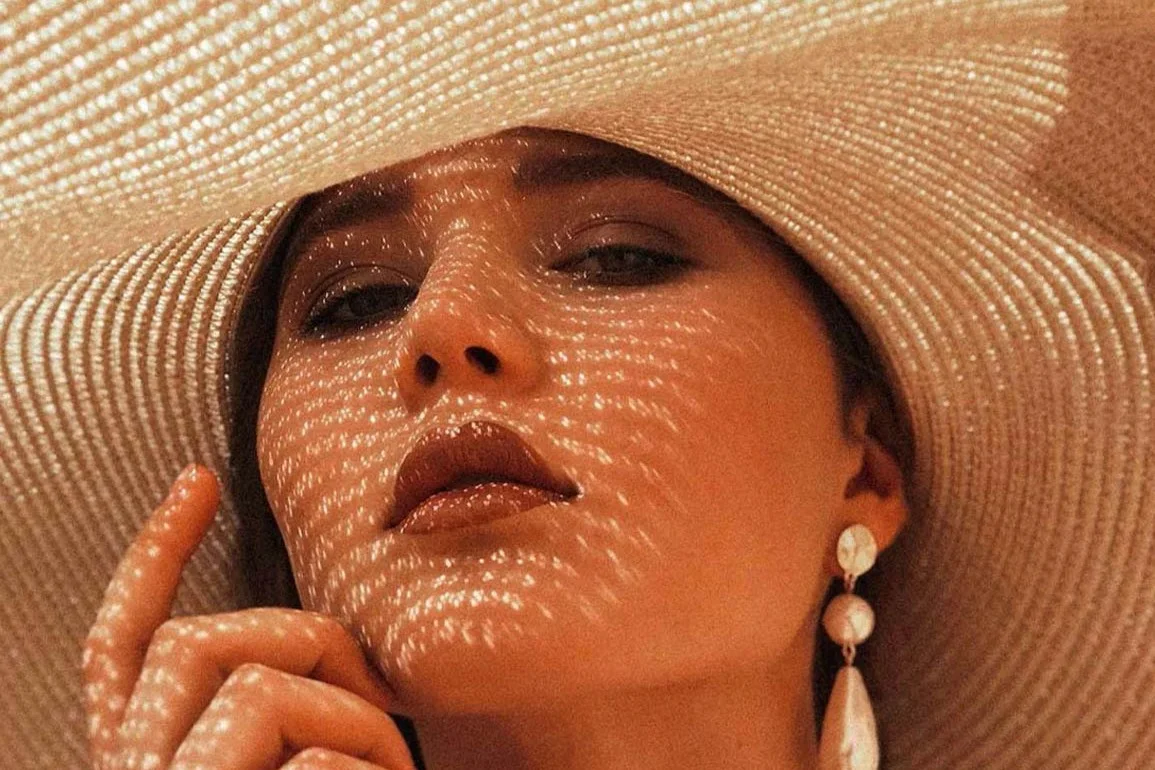
Light and shadow offer countless creative possibilities in portrait photography. Deliberate use of shadows—such as those created by blinds or textured surfaces that cast light and shadow patterns—can cast interesting patterns on the face and give the image a mysterious feel. Dramatic effects can also be achieved by directing light onto only part of the face, which adds depth to the portrait.
Experimenting with perspectives
Unusual perspectives can make portraits more exciting. Extreme close-ups that focus on only part of the face, or wide-angle shots that incorporate the model into the surroundings, create interesting contrasts. Experimenting with different angles allows the model to appear in a new light and gives the portrait a special touch.
Props and Accessories
Props and accessories such as hats, scarves, or other everyday objects can give the portrait a personal touch and serve as additional visual elements. However, they should always be used in a way that complements the portrait and does not distract from the main subject.
Portrait Photography Outdoors and in the Studio
The decision of whether to shoot portraits outdoors or in the studio depends heavily on the desired result, the availability of equipment, and the environment. Both approaches have their specific advantages, and each location presents its own challenges. While working in the studio allows for controlled conditions, shooting outdoors offers a multitude of creative possibilities.
Outdoor Shoots
Natural Light and Environment
One of the biggest advantages of outdoor shoots is the use of natural light. Natural daylight often looks very flattering and authentic in portraits, especially during the “golden hours” in the early morning or late afternoon, when the light is softer and creates warm tones. This lends the portraits a naturalness that can often only be achieved in the studio through elaborate lighting setups.
Furthermore, the outdoor setting offers endless creative possibilities. Parks, cityscapes, beaches, or forests—each setting creates a unique backdrop that can enhance the portrait and reflect the model’s personality. The background can either be intentionally incorporated into the image composition or blurred using bokeh to draw the focus to the model.
Freedom of Movement and Variety
Unlike a studio, working outdoors offers both the photographer and the model greater freedom of movement. Different perspectives can be experimented with playfully, without technical or spatial constraints. The variety of possible backgrounds and lighting moods offers numerous creative possibilities that often arise from interaction with the surroundings. The model can move more freely, which often leads to more dynamic and lively shots.
Flexibility and Uniqueness
Every outdoor shoot is unique, as lighting conditions, the background, and the surroundings are constantly changing. This lends the shots a certain unpredictability, which can be both a challenge and an opportunity. Photographers often have to react quickly to changing lighting conditions, which intensifies the creative process and often leads to unexpectedly impressive results.
Studio Portraits
Complete Control Over the Light
One of the biggest advantages of a studio is complete control over the light. Unlike outdoor shoots, where the photographer must react to changing lighting conditions, the studio offers the ability to precisely control the light. By using studio flashes, continuous lights, softboxes, reflectors, and diffusers, light can be directed with any desired intensity and in any direction. This enables precise lighting setups that can be perfectly tailored to the needs of the portrait. Any lighting situation—whether soft, diffused light or dramatic shadows—can be recreated in the studio as desired.
Background and props as desired
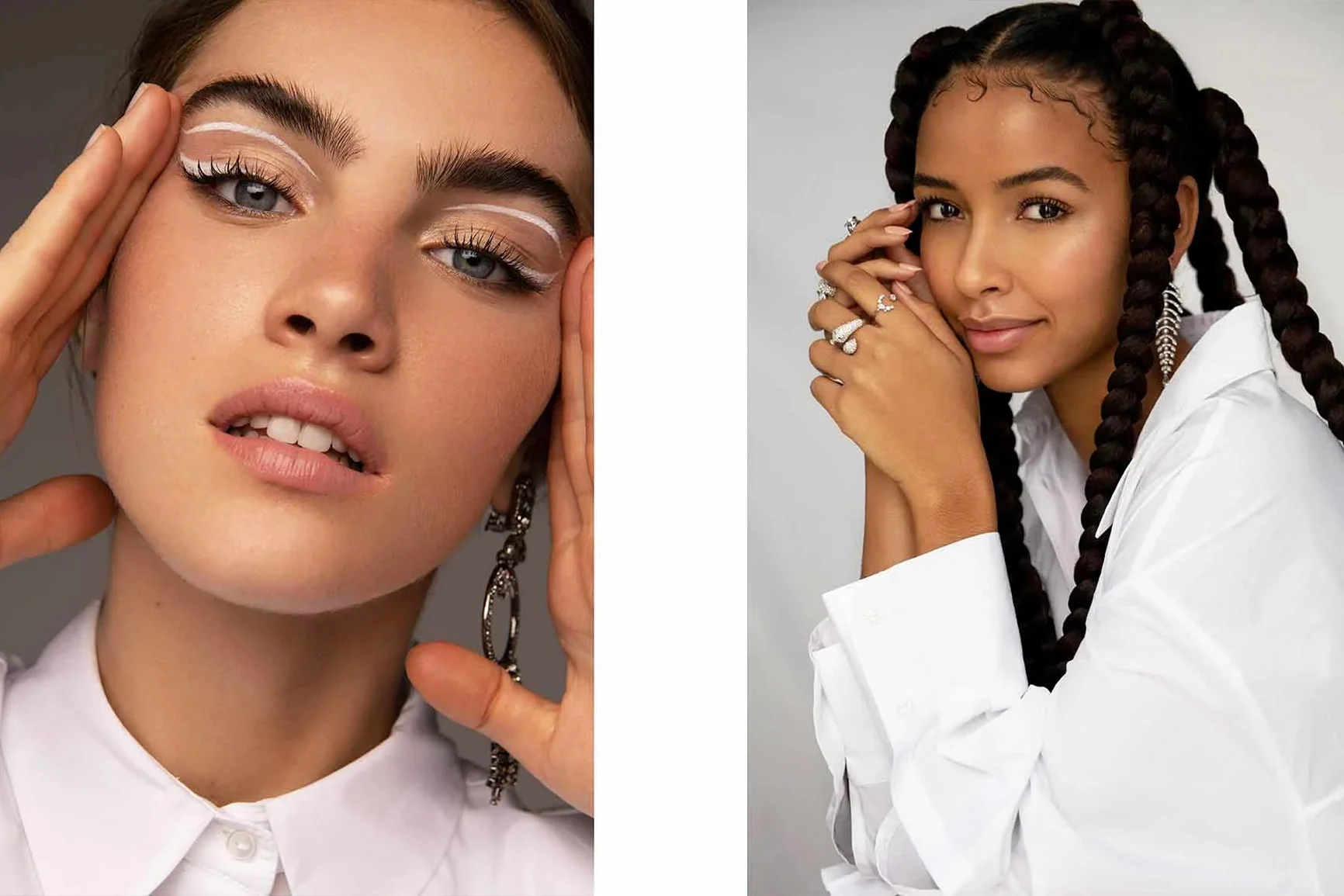
The studio offers complete freedom in designing the background. Photographers have the option to choose neutral, colored, or textured backgrounds that lend the portrait the desired mood. The background is fully controllable and directs the focus exclusively onto the model. This freedom is ideal when a minimalist portrait is desired or the background should not be distracting.
In addition, the studio allows for the integration of props to further personalize the portrait. Whether chairs, fabrics, or specific decorative elements—in the studio, all elements can be strategically used to create a special atmosphere. This control facilitates the creation of a consistent series of images that is not dependent on external factors such as weather or lighting conditions.
Consistent Conditions
Another advantage of studio photography is the consistent conditions. While lighting conditions during outdoor shoots can change rapidly due to clouds or the time of day, everything remains constant in the studio. This allows photographers to focus entirely on the model and the creative composition without having to worry about external factors.
The studio is the ideal environment, especially for longer or more elaborate shoots. It allows for work without interruptions from weather or daylight and provides a controlled environment where the shoot can continue smoothly for several hours.
Privacy and Comfort
An often underestimated advantage of the studio is the peace and privacy it offers. For the model, it can be more relaxing to work in a controlled, intimate environment where no unexpected disturbances from passersby or external influences are to be expected. This is particularly important for sensitive and emotional portraits, where an intimate atmosphere is necessary to capture authentic emotions.
Conclusion
To create expressive images, portrait photography requires both technical knowledge and creativity. From choosing the right equipment to precise lighting and working with the model—every step is crucial for the perfect portrait. Precise post-processing and the creative presentation of the images—for example, as a Photo Print behind acrylic glass or as a WhiteWall Photo Print—round out the result and transform the portrait into a work of art. Those who wish to present entire portrait series can also compile their best shots into a high-quality WhiteWall Coffee Table Book.
Learn more about the author
Jan-Ole Schmidt (better known simply as Ole) is from northern Germany and has been with WhiteWall for many years. As a team leader in product management, he brings extensive experience in the photography industry. He taught himself photography and has built up in-depth expertise in image production, papers, laminations, and framing.
His strength lies in the combination of technical expertise and customer perspective - from file upload to framing in the WhiteWall configurator. Ole has held workshops, been a guest on podcasts and is in close contact with the photography community. He lives, works and photographs in Cologne.

WhiteWall Product Recommendations


We’re Happy To Help
Stores Need assistance?Our team will help you select the perfect products!Discover Now
Customer Service Feel free to call us at +44 20 34 11 18 46 or send us an email at info@whitewall.com.Digital appointment
Gift Certificates The Right Photo GiftDiscover Now
