Boudoir Photography
By WhiteWall expert Jan-Ole Schmidt
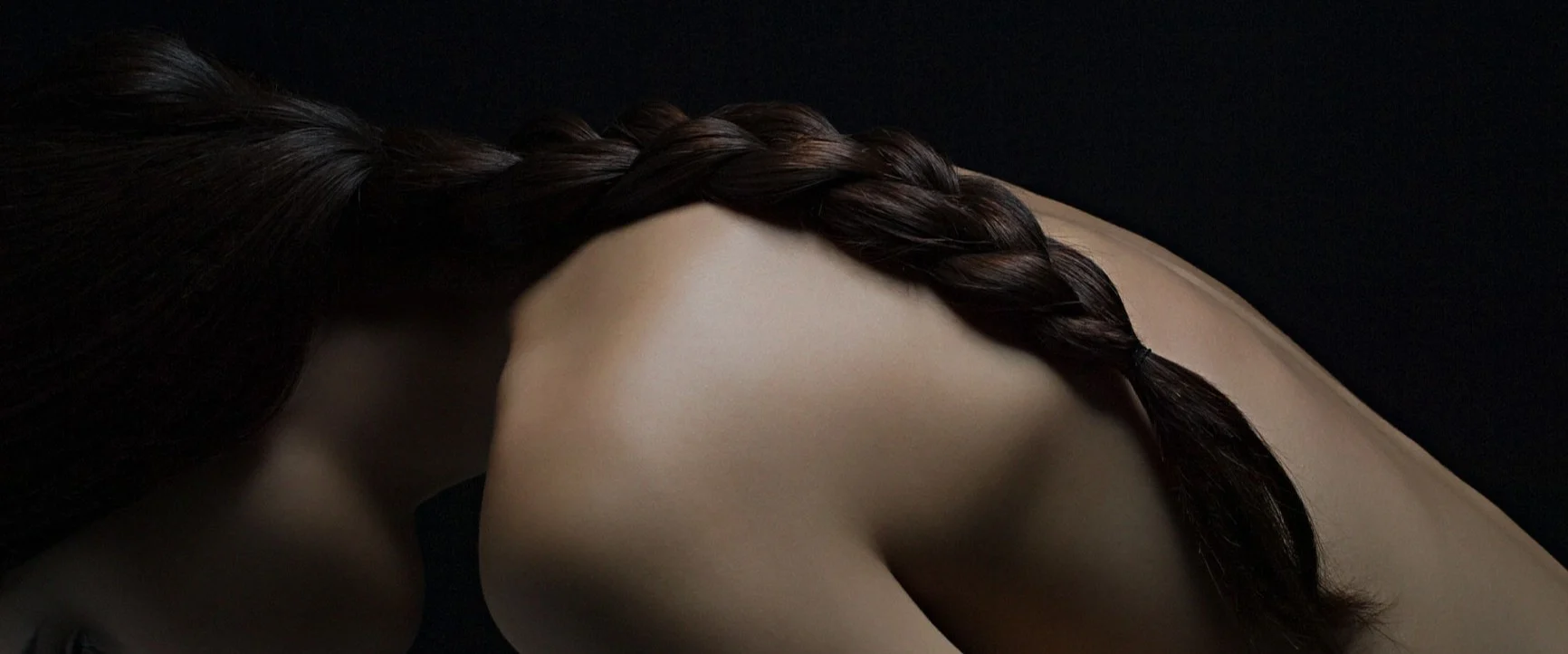
Boudoir photography is an artistic form of portrait photography that combines sensuality and elegance. It is characterized by an intimate, often gentle visual language that stylishly showcases the model. It is not merely about nude photography, but rather a tasteful portrayal of grace, expression, and atmosphere. The right lighting, carefully chosen poses, and a sensitive composition give boudoir photography a particularly aesthetic effect.
This genre lies at the intersection of portrait photography, fashion photography, and artistic nude photography. There are numerous overlaps with black-and-white photography, particularly through the deliberate use of high-key and low-key techniques, which employ light and shadow as creative tools.
In this article, we’ll take a look at the different styles of boudoir photography, offer tips on image composition and technique, and show how this unique form of photography can be presented and printed with style.
1. Which photographic genres does boudoir photography fall under?
Boudoir photography is a blend of various photographic genres. It combines emotional portrait photography, stylish fashion elements, artistic nude depictions, and special lighting techniques. Depending on the staging, boudoir photography can appear romantic and gentle at times, and dramatic and expressive at others.
1.1 Boudoir as Part of Portrait Photography
Boudoir photography is closely related to classic portrait photography, as it focuses on the person and their expression.
Characteristics of portrait photography in boudoir shoots:
Focus on the model’s personality and emotions
Natural or staged facial expressions and gestures
Harmonious lighting to flatter the skin
The intimacy of boudoir photography sets it apart from classical portrait photography: it places greater emphasis on sensuality, gentle poses, and often a deliberately private atmosphere.
1.2 Fashion and Editorial Influences in Boudoir Photography
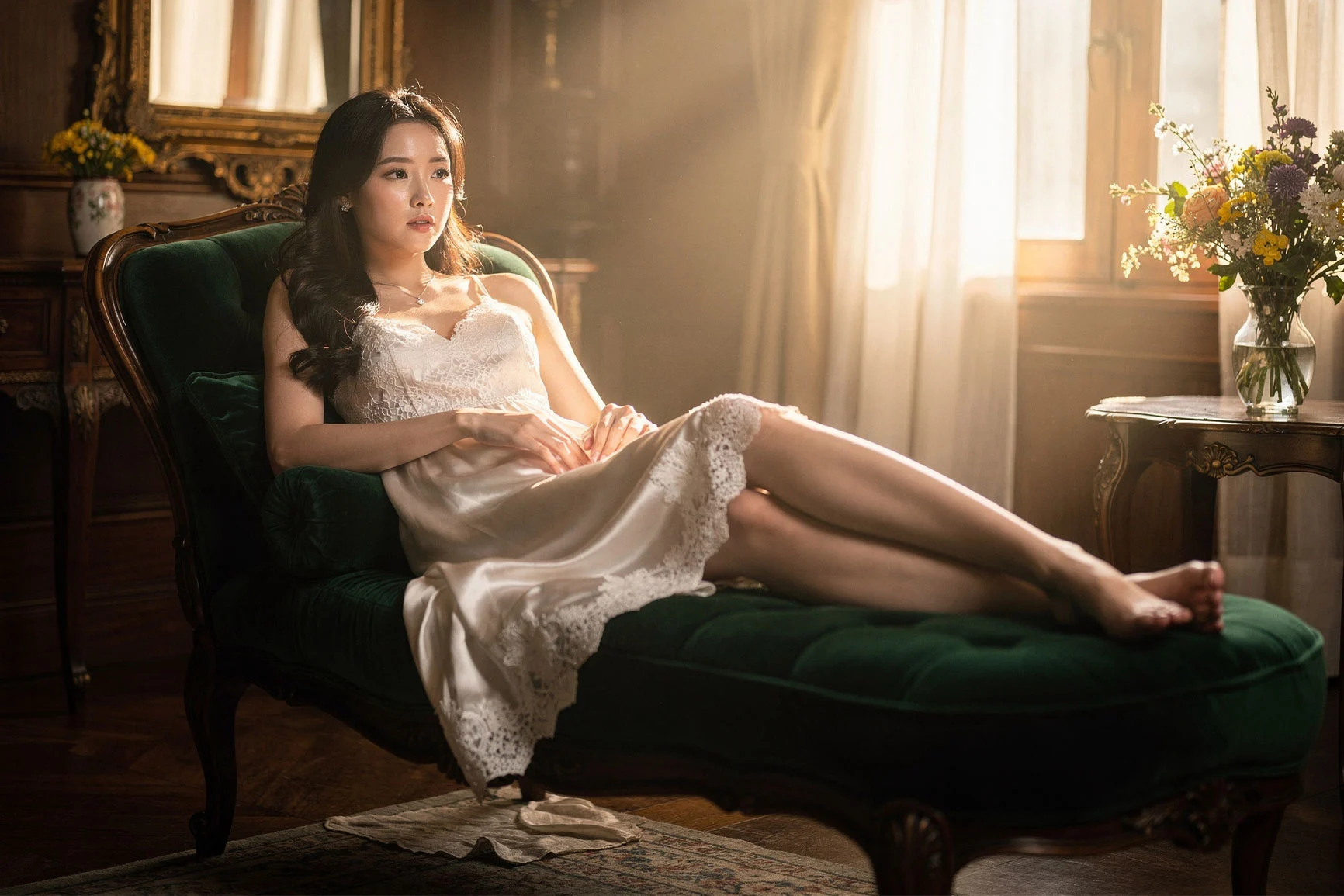
In many boudoir shoots, fashion elements are an important component—high-quality lingerie, elegant fabrics, or sophisticated accessories lend the images a luxurious aesthetic.
Fashion Influences in Boudoir Photography:
High-quality materials such as silk, lace, or satin as compositional elements
Stylish poses inspired by fashion editorials
A combination of classic boudoir elements with fashion-forward extravagance
Here, the lines between boudoir photography and high-fashion shoots blur, especially when elaborate lighting setups and carefully staged styling are used.
1.3 Artistic Nude Photography: The Fine Line Between Aesthetics and Intimacy
Boudoir photography often overlaps with nude photography—but with a different approach. While classic nude photography views the body in its entirety as an object of art, boudoir photography tends to work with hints and subtle staging.
Similarities with Nude Photography:
Emphasis on body shapes and silhouettes
Use of light and shadow to accentuate specific body parts
A sensual aesthetic that can range from minimalism to opulent setups
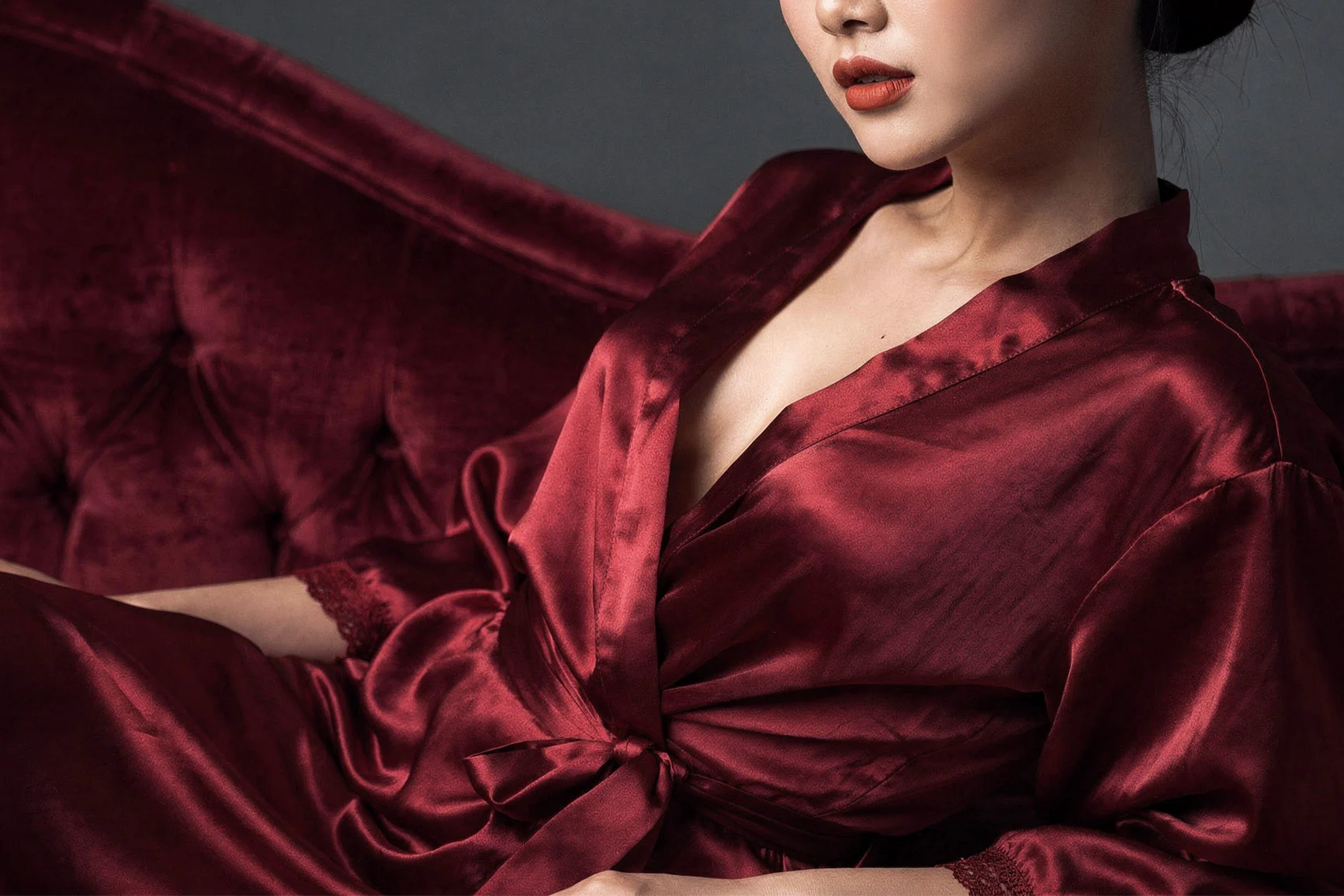
Instead of explicit nudity, boudoir photography focuses on elegance through partial concealment—a slightly open silk robe or a half-concealed pose can create more suspense than a classic nude photograph.
1.4 Boudoir in Black and White: High-Key and Low-Key Styles as Artistic Devices
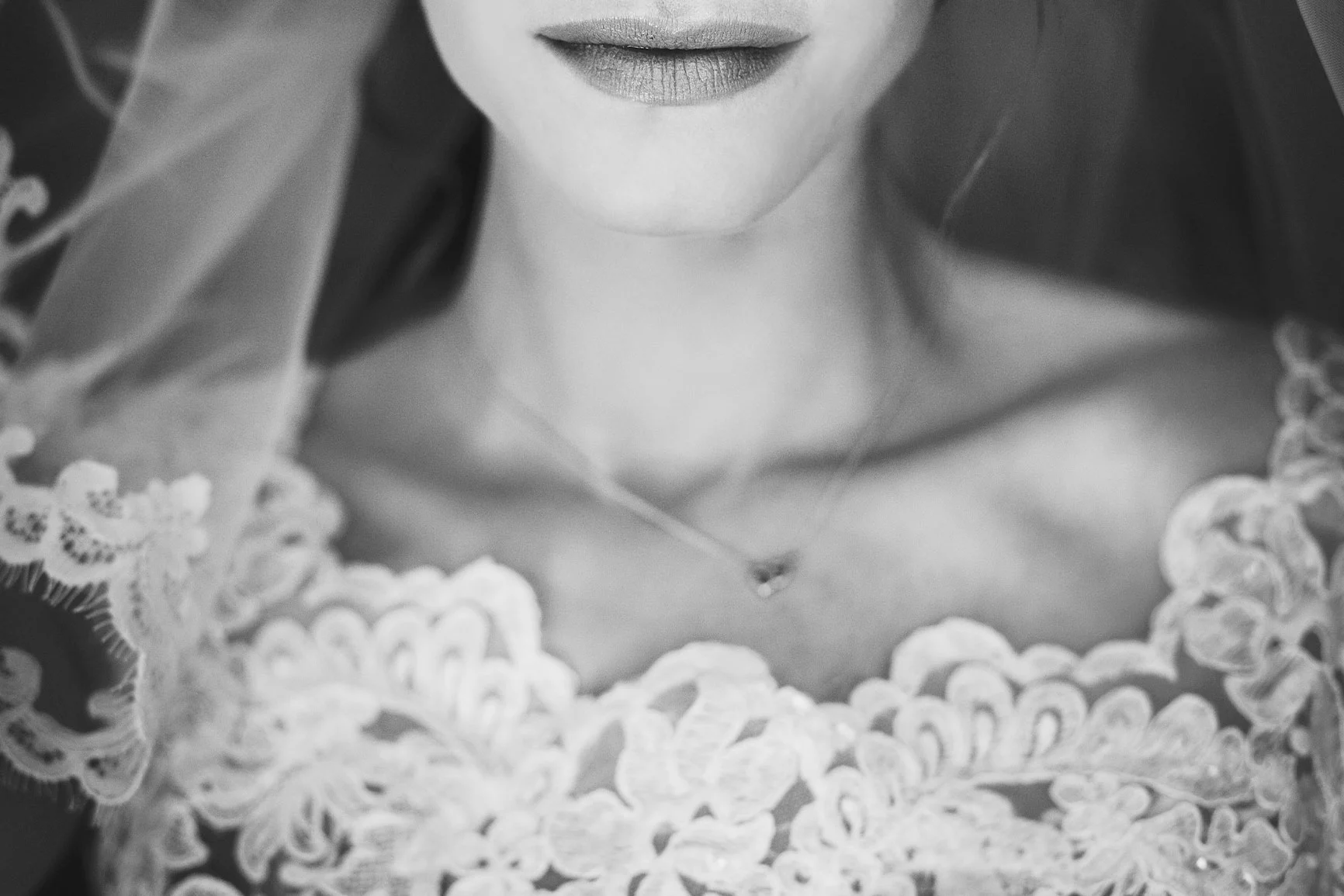
Black-and-white photography lends boudoir images a special timelessness and artistic depth. Depending on the lighting, completely different visual effects are created:
High-Key Boudoir: Bright, soft lighting creates a gentle, dreamy aesthetic. Perfect for romantic, lighthearted shoots.
Low-Key Boudoir: Strong shadows and strategic lighting accents create dramatic contrasts. Ideal for a mysterious, sensual effect.
In both cases, omitting color helps to focus more strongly on light, textures, and shapes—ideal for boudoir photography that emphasizes simplicity and elegance.
Summary: The Versatility of Boudoir Photography
Portrait Photography: Focuses on personality, expression, and natural beauty.
Fashion Photography: Luxurious fabrics and stylish poses bring fashion elements into the frame.
Artistic nude photography: Sensual depictions of the body with tasteful lighting.
Black-and-white photography: High-key for soft, low-key for dramatic boudoir shots.
2. Which Subjects Are Suitable for Boudoir Photography
Boudoir photography thrives on subtle staging and thoughtful composition. Depending on the style, the subject can appear gentle and romantic, stylish and elegant, or dramatic and mysterious. In addition to classic portraits, close-ups, silhouettes, and staged series are also popular subjects in this genre.
2.1 Classic Boudoir Portraits
Boudoir portraits focus on the model—facial expressions, gestures, and posture play a crucial role here. The pose should appear natural and elegant to create an intimate yet stylish atmosphere.
Tips for Classic Boudoir Portraits:
Soft lighting for flattering skin tones
Relaxed, flowing poses instead of static postures
A direct gaze into the camera for confidence, or an averted gaze for a more reserved look
Especially when combined with soft fabrics like silk or lace, this creates a timelessly elegant image that conveys sensuality without coming across as overt.
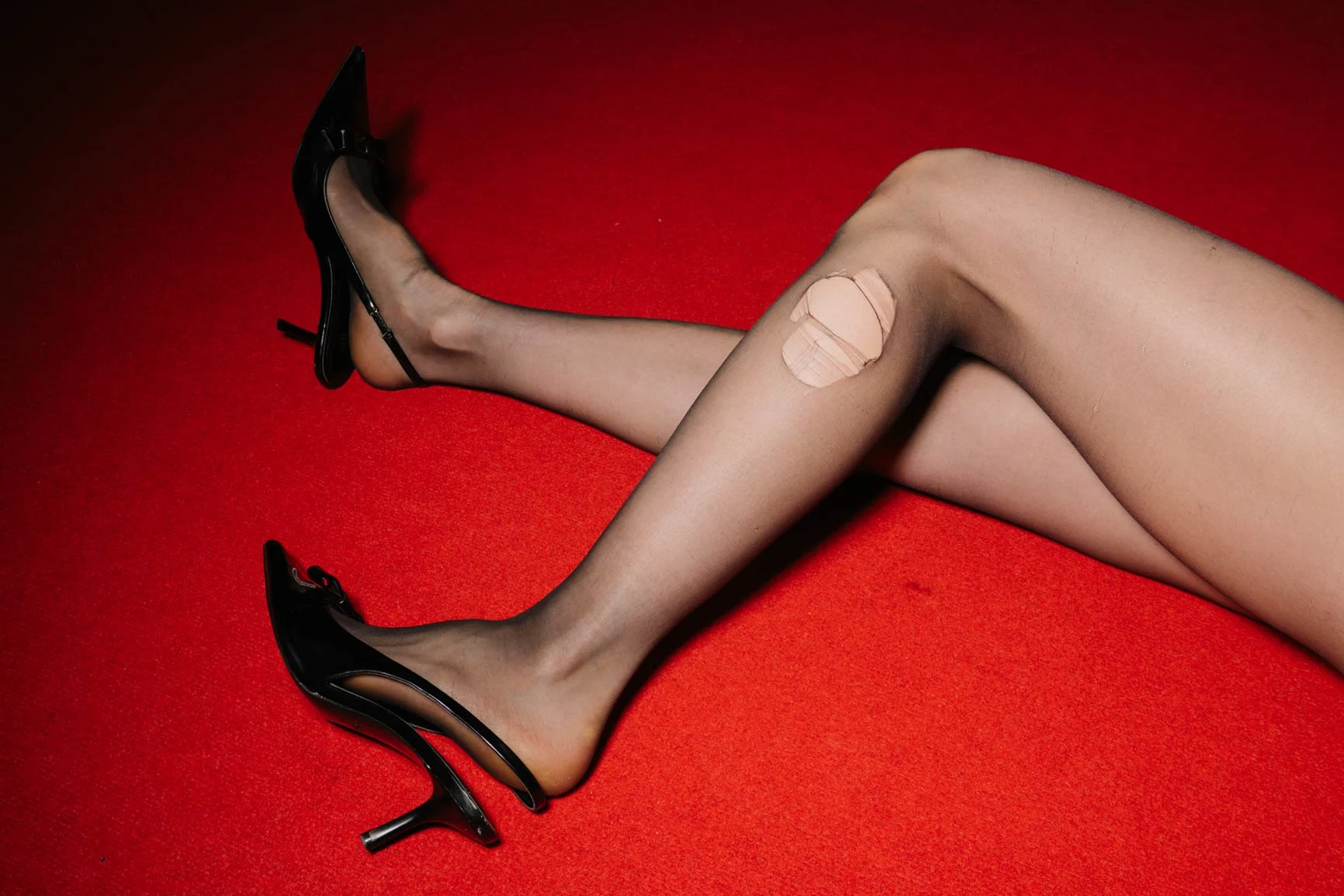
2.2 Close-ups and Body Details
The entire model doesn’t always have to be in the frame—often, it’s the close-ups of specific body parts that have a particularly aesthetic effect.
Examples of captivating body close-ups:
Hands gently cradling a fabric or stroking the skin
A curved shoulder line in soft backlighting
A partially concealed back with a focus on delicate lingerie details
The key here is to use focus and blur to deliberately guide the viewer’s gaze and make the image feel even more intimate.
2.3 Black-and-White Boudoir Photography
Black-and-white boudoir photography has a special charm—it reduces the image to contrasts, shapes, and textures, subtly emphasizing sensuality.
Why black-and-white is ideal for boudoir photography:
Light and shadow stand out more clearly and create depth
The absence of color draws attention to lines and textures
Skin tones appear softer and more even
Especially in low-key settings with strategic lighting accents, black-and-white can create a mysterious, artistic effect.
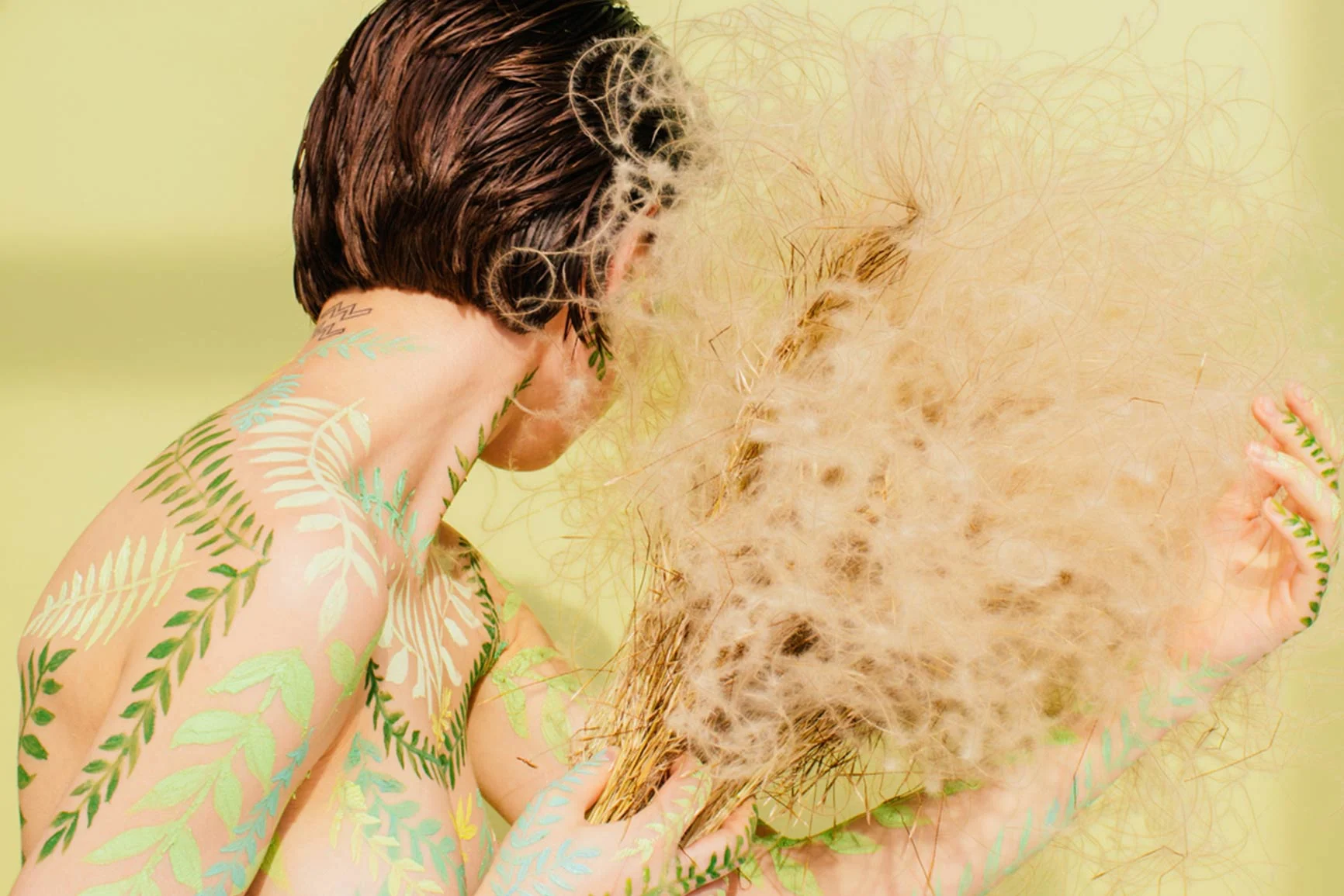
2.4 Staged Boudoir Series
A series of images can tell a story—whether it’s a gentle morning atmosphere in natural light or a dramatic setup with a dark background and carefully directed lighting.
Ideas for a photo series:
A sequence of movements (e.g., gently slipping a coat off the shoulder)
Alternating between wide-angle and close-up shots for added dynamism
Combining high-key and low-key lighting moods within a series
Such series are particularly well-suited for Coffee Table Books or wall art, as they showcase different facets of the boudoir theme in a cohesive style.
Summary: Versatile Motifs in Boudoir Photography
Classic Portraits: Soft lighting and expressive poses.
Close-ups: Subtle hints rather than direct nude photography.
Black-and-White Boudoir: Focus on contrasts, textures, and moods.
Photo series: Narrative sequences with different perspectives.
3. The Right Technique for Stylish Boudoir Shots
Technical execution plays a crucial role in boudoir photography. Soft light, gentle blur, and deliberate composition create an intimate, aesthetic visual effect. In addition to lens selection and camera settings, the use of light sources and background elements is also important for creating the desired atmosphere.
3.1 Lens Selection for Soft Blur and Focus
Choosing the right lens has a significant impact on the aesthetic of the image. In boudoir photography, fast lenses with a large aperture (f/1.2–f/2.8) are particularly preferred to create a soft background blur.
Fixed focal lengths (50 mm, 85 mm, 135 mm) offer a natural perspective and soft bokeh effects.
Telephoto lenses (70–200 mm) flatter the subject’s proportions and create a gentle sense of depth.
Macro lenses (90 mm, 100 mm) are ideal for detailed shots, such as of hands, fabrics, or jewelry.
Tip: A longer focal length, such as 85 mm or 135 mm, provides natural compression and a flattering portrayal of the model.
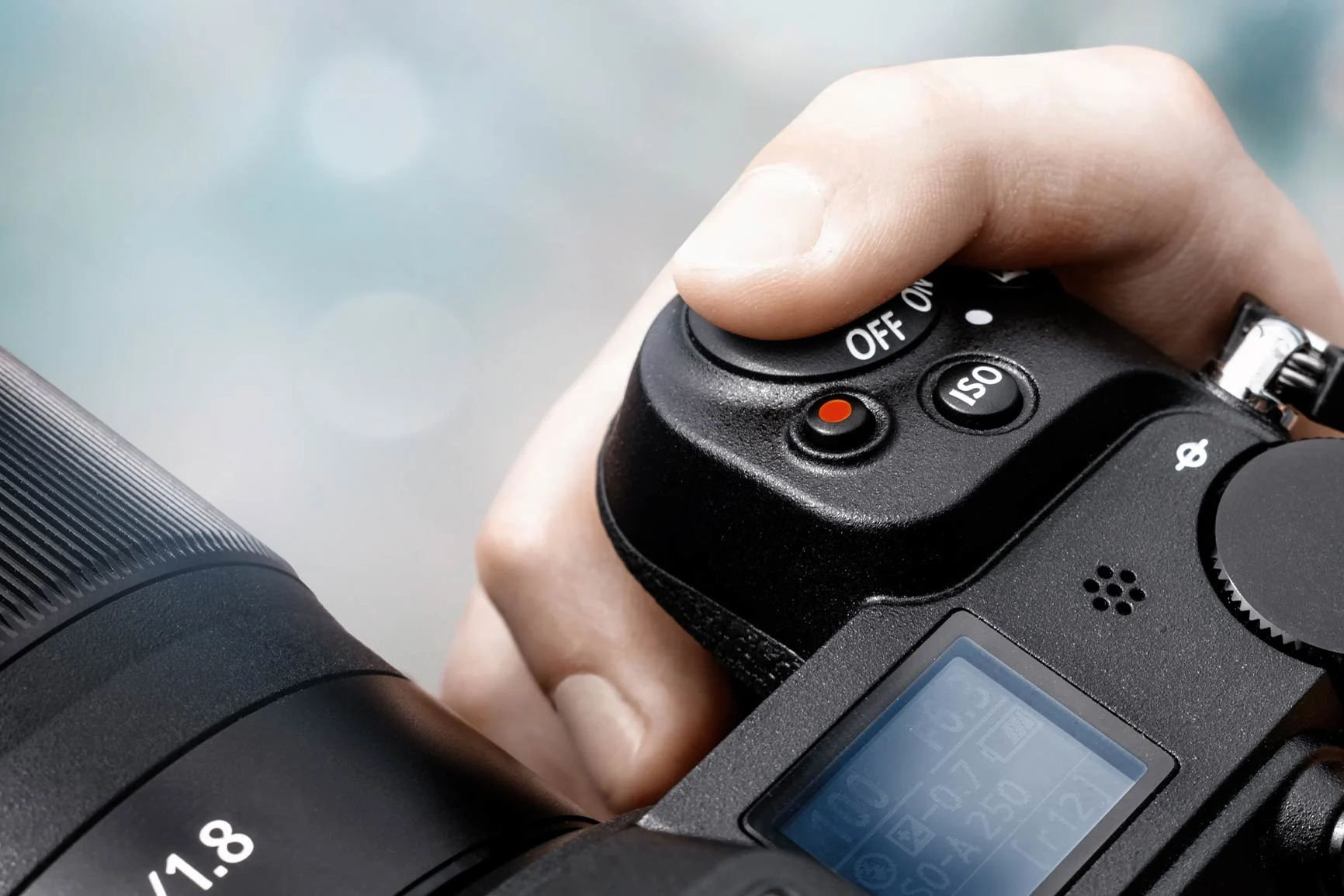
3.2 Camera Settings for Atmospheric Images
Camera settings should be adjusted to match the desired lighting mood and subject.
Aperture: Wide aperture (f/1.2 – f/2.8) for soft bokeh and flattering skin tones.
ISO: As low as possible (ISO 100–400) to avoid image noise.
Shutter speed: At least 1/125 s for static poses, faster for movement.
For low-key images with directional lighting, longer exposure times are sometimes necessary to achieve smooth transitions in the shadows.
3.3 Lighting: Natural Light vs. Artificial Light Sources
Lighting plays a decisive role in setting the mood of a boudoir photograph. Depending on the desired look, you can work with natural light or studio lighting.
Natural Light:
Light from a window provides soft, even illumination.
Curtains or diffusers can be used to further soften and diffuse the light.
Ideal for high-key shots with a romantic, airy effect.
Artificial light:
Continuous light or softboxes allow for precise control of light and shadow.
Low-key shots benefit from strong contrasts achieved through targeted light sources such as side lighting or a flash.
Colored light sources or LEDs can create a special atmosphere.
Tip: Side lighting emphasizes the body’s contours and creates a three-dimensional effect.
3.4 Background and Setting
The surroundings play a crucial role in the overall impact of the image—boudoir photography works equally well in elaborately staged settings as well as in minimalist setups.
Soft fabrics and whimsical accessories lend the image an intimate, romantic touch.
Minimalist backdrops with simple colors and smooth surfaces create a modern, clean aesthetic.
Mirrors or reflective surfaces can create creative perspectives or dual visual meanings.
Tip: A bed with soft sheets or an elegantly draped armchair can serve as a natural prop to help the model strike relaxed poses.
Summary: Technical Tips for Perfect Boudoir Shots
Prime lenses or telephoto lenses for flattering proportions and soft bokeh.
Wide aperture (f/1.2 – f/2.8) for a soft depth of field.
Natural window light for soft, dreamy images or
carefully directed artificial lighting for dramatic effects.
Carefully choose backgrounds to achieve either a luxurious or minimalist look.
4. The Perfect Presentation for Boudoir Photos
Presentation plays just as important a role as the shoot itself. Boudoir photography is often very personal and should be presented in a stylish and high-quality manner. Whether as an elegant black-and-white print, a frameless acrylic glass image, or a sophisticated Coffee Table Book—choosing the right medium underscores the sensual and intimate aesthetic of this form of photography.
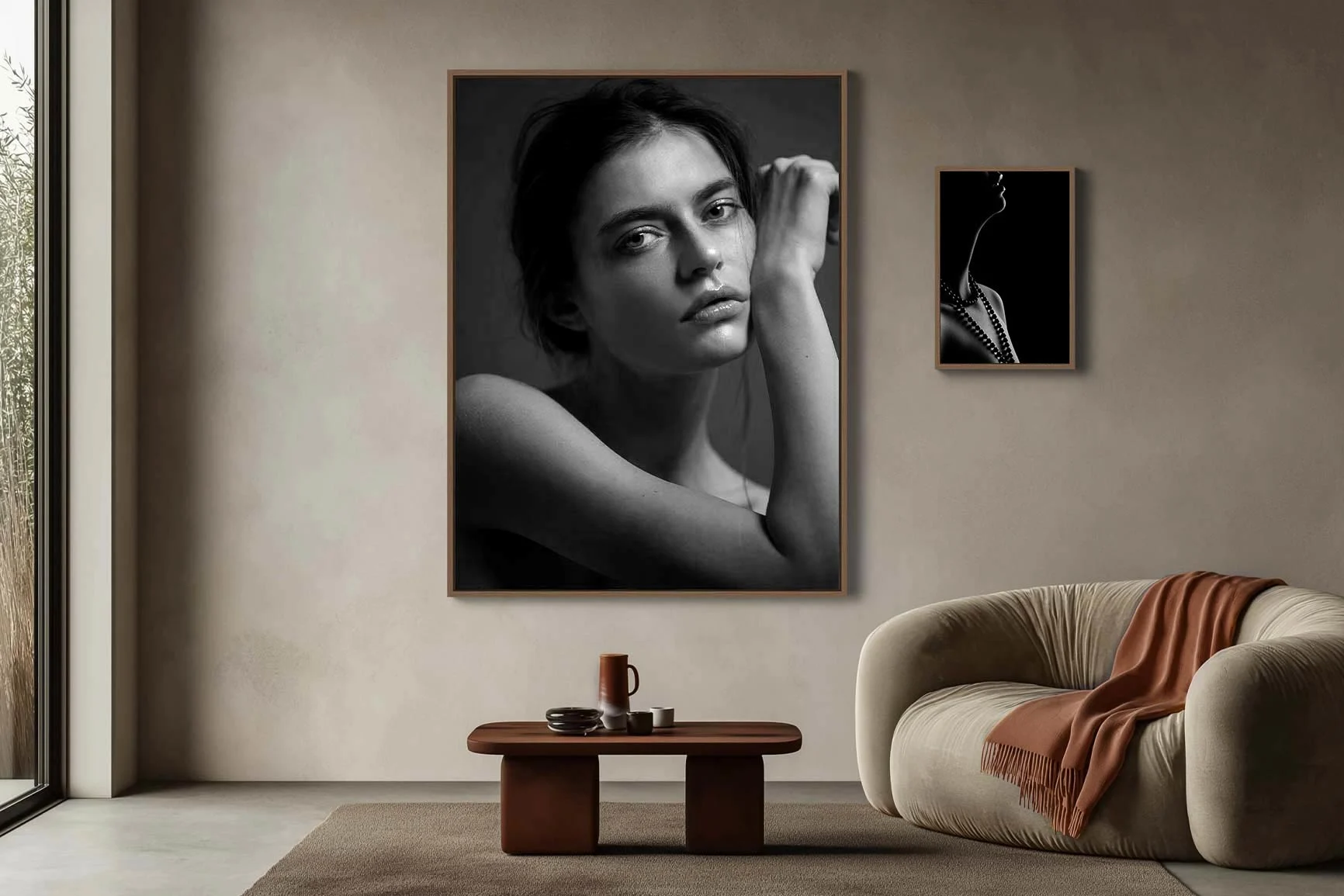
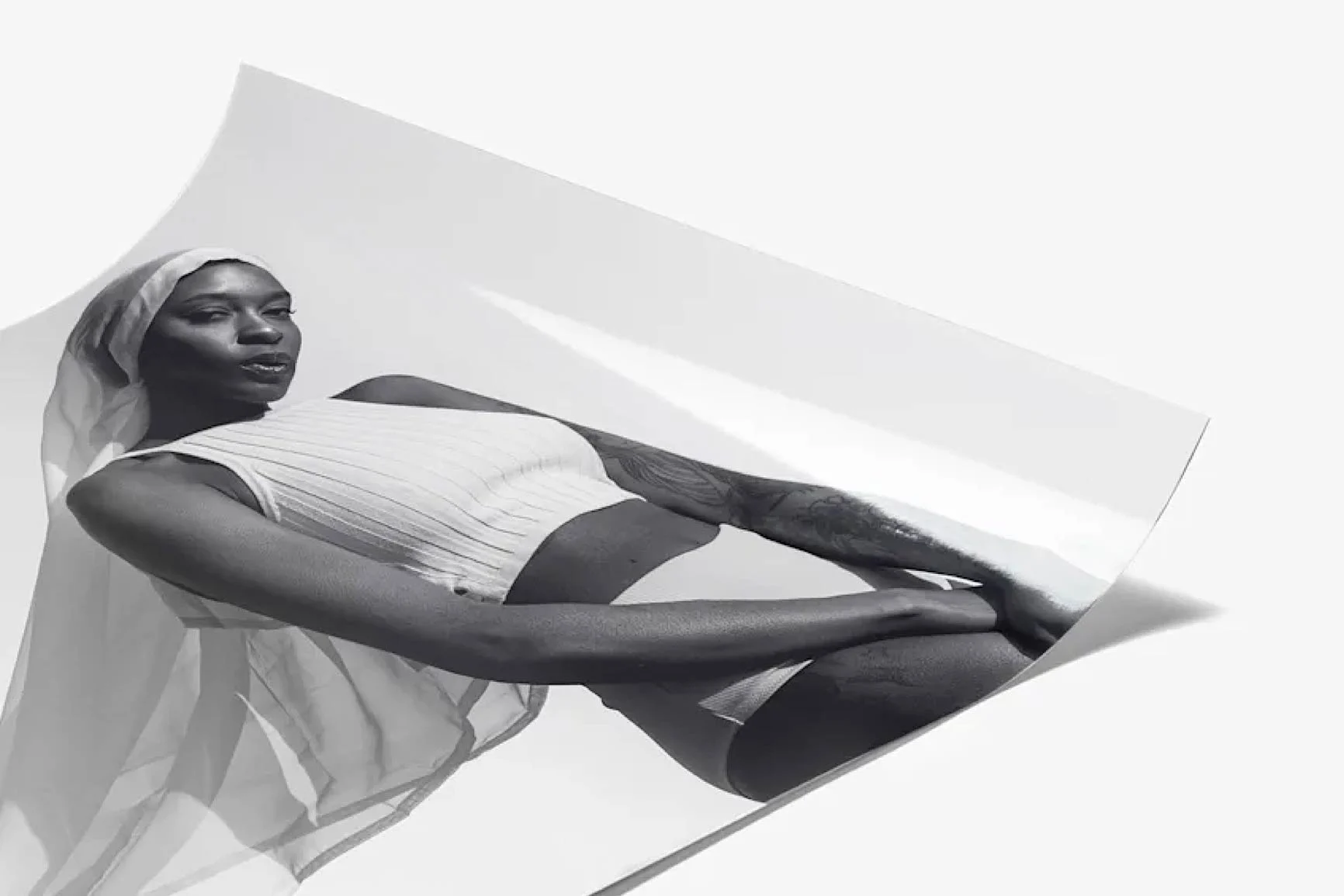
4.1 High-Quality Black-and-White Prints on Ilford Paper
Black-and-white boudoir images have a very special impact when printed on high-quality Ilford black-and-white paper. This material offers first-class tonal gradation and deep, rich blacks that perfectly highlight the interplay of light and shadow.
Advantages of Ilford black-and-white prints:
Perfect reproduction of contrasts and skin tones
Smooth transitions between light and shadow
High-quality finish for a classic, timeless aesthetic
Particularly suitable for:
Low-key boudoir shots with strong contrasts
Detailed black-and-white photographs with distinctive lighting effects
More information about Photo Prints on Ilford black-and-white paper
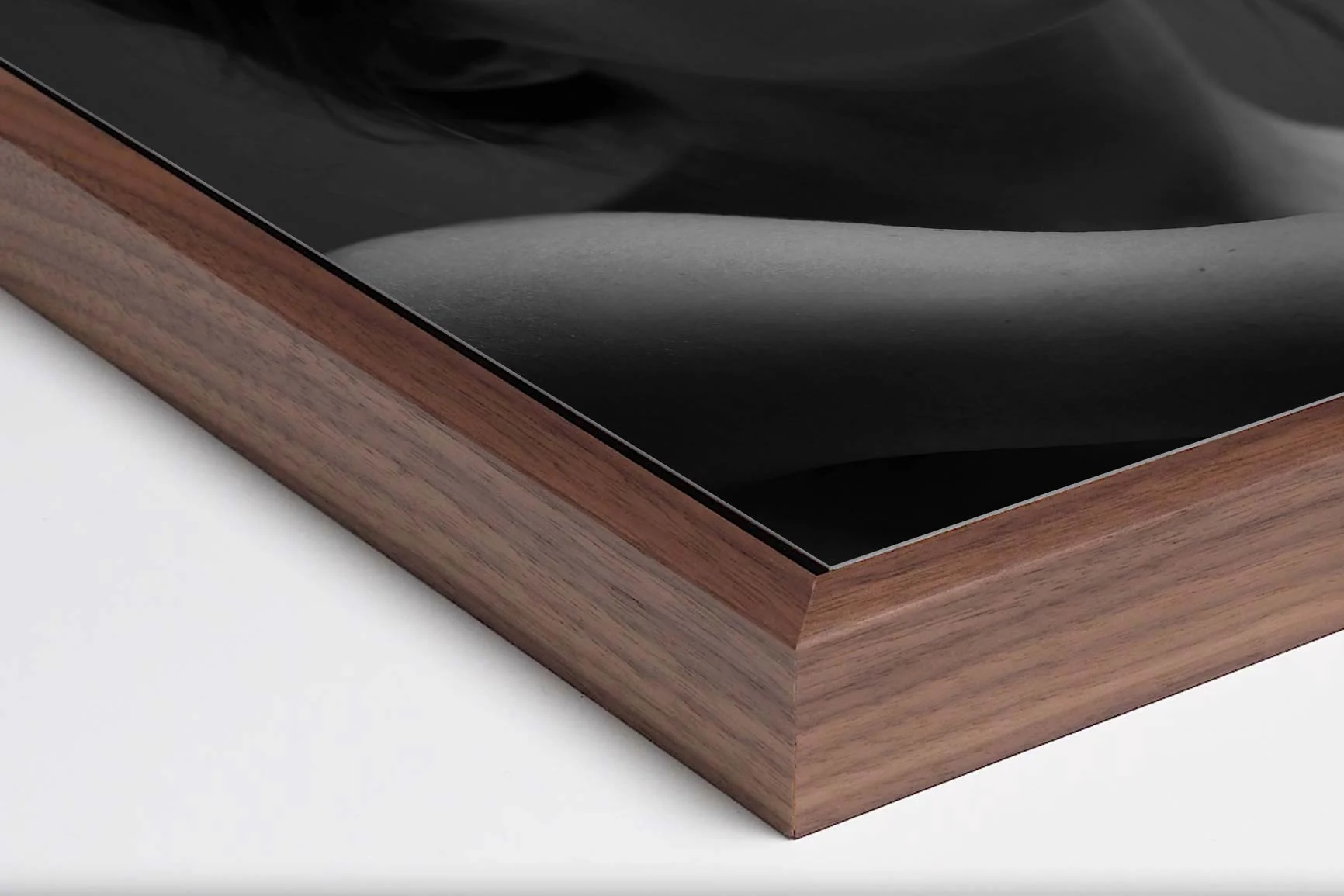
4.2 Floater Frame for elegant framing
A high-quality Floater Frame is a stylish way to present boudoir photographs with a classic, understated elegance. The Floater Frame’s floating appearance adds depth to the image and ensures it is shown to its best advantage.
Advantages of the Floater Frame:
Subtle framing for a high-quality, timeless look
Perfect for Fine Art Prints or black-and-white photographs
Puts the full focus on the subject without distracting from it
Particularly suitable for:
Classic boudoir shots with soft lighting
Black-and-white images with a minimalist style
More information about photos in floater frames
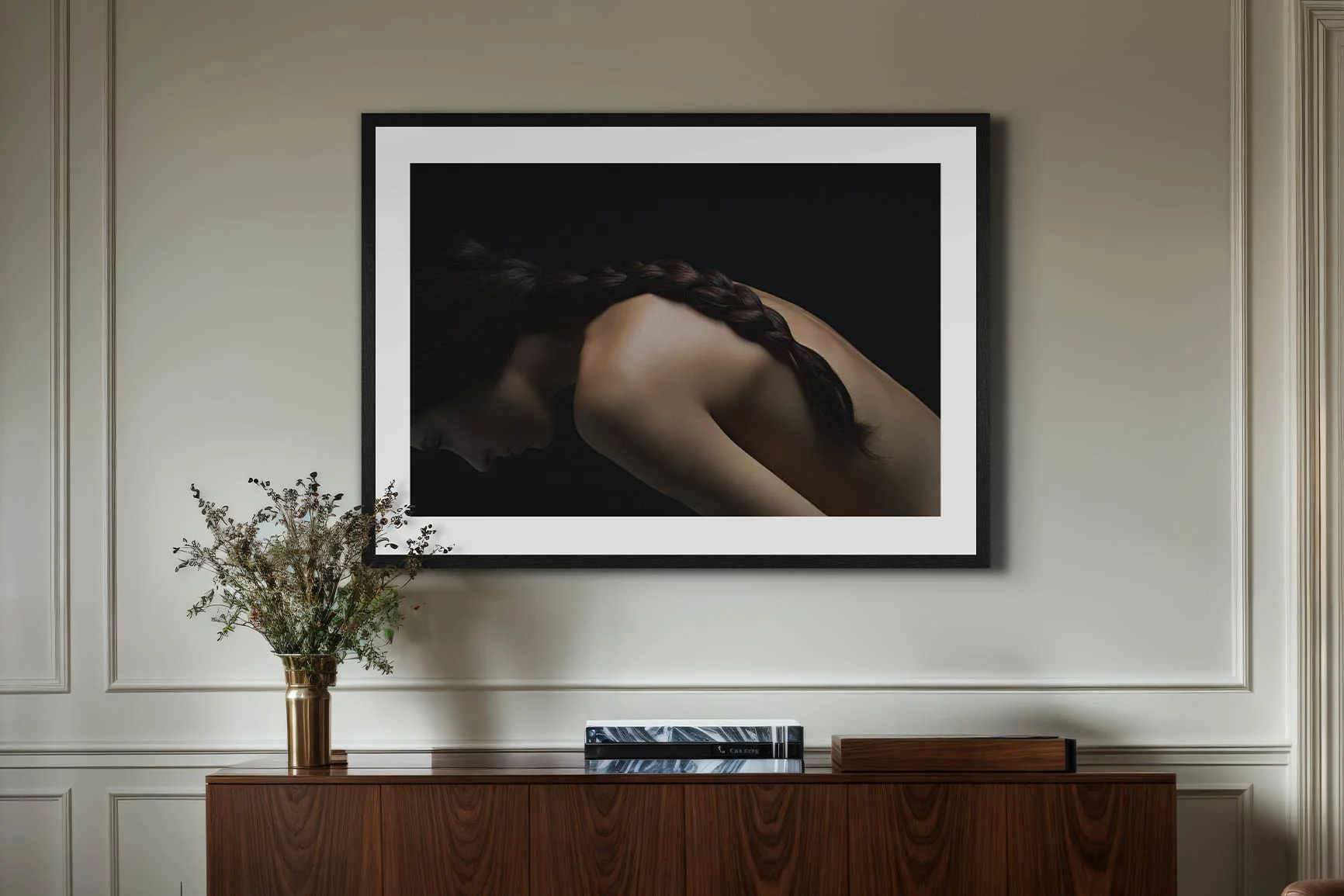
4.3 Textile printing for soft, stylish boudoir presentations
Boudoir photography thrives on soft transitions and a gentle aesthetic. Printing on textile canvas accentuates this effect and gives the images a soft, fabric-like surface with a sophisticated sense of depth.
Advantages of textile prints:
Fabric-like texture for a particularly soft, elegant look
Low light reflection—ideal for soft boudoir photos
Exceptionally durable and resilient
Particularly suitable for:
High-key boudoir photos with soft, pastel hues
Images with subtle lighting and soft skin tones
More information about photo canvas on textile
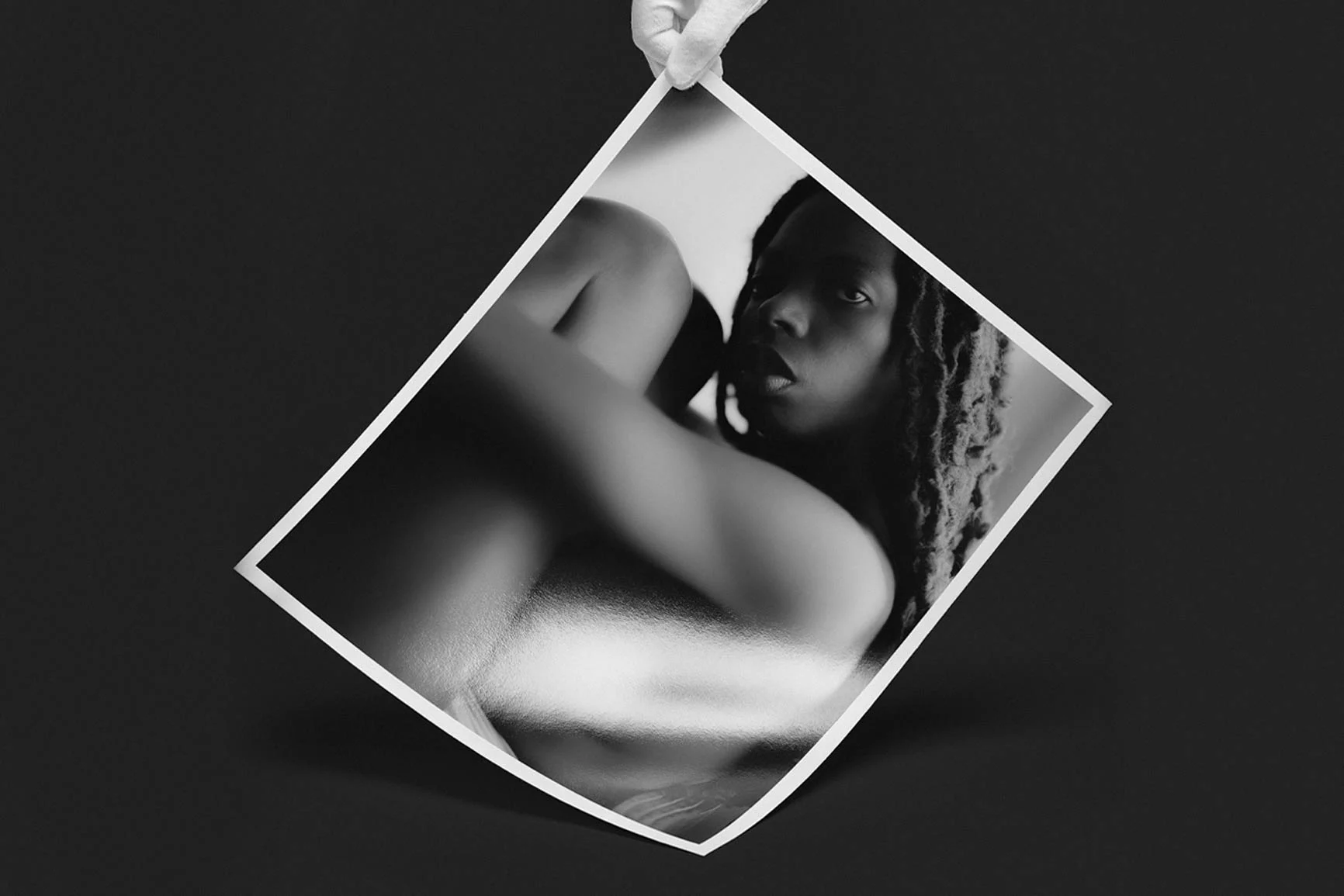
4.4 Fine Art Prints for Artistic Boudoir Photography
Fine Art prints on high-quality papers are ideal for a particularly exclusive presentation. WhiteWall offers a selection of Hahnemühle, Canson, and Epson papers, which provide different textures and finishes to achieve unique print aesthetics.
Advantages of Fine Art Prints:
High-quality paper texture for a luxurious feel
Exceptionally durable print quality with vibrant colors and high contrast
Various finishes—from matte to slightly glossy
Particularly suitable for:
Artistic boudoir photography with subtle tonal gradations
Detailed black-and-white images with fine texture
More information about Fine Art Prints
Summary: The Best Presentation for Boudoir Photography
Black-and-white prints on Ilford paper for timeless, high-contrast images
Floater frames for a classic, stylish presentation
Textile print for a soft, fabric-like visual effect
Fine Art Prints on Hahnemühle, Canson, or Epson paper for exclusive, artistic boudoir photography
5. Conclusion: Boudoir Photography as an Artistic Presentation
Boudoir photography is an aesthetic art form that lies at the intersection of portrait, fashion, nude, and black-and-white photography. Through careful lighting, flattering poses, and an intimate atmosphere, it creates images that are both sensual and stylish. Choosing the right equipment, lenses, and camera settings plays a crucial role in achieving a soft, flattering visual effect.
Equally important is the presentation of the images. While black-and-white prints on Ilford paper emphasize contrast and texture, textile printing creates a soft, fabric-like effect that perfectly complements the gentle aesthetic of boudoir photography. Fine Art Prints on Hahnemühle, Canson, or Epson paper offer a high-quality gallery look, while Floater Frames lend a classic elegance.
Whether as an artistic wall print or a sophisticated Fine Art Print—boudoir photography deserves a presentation that enhances the intimate and emotional impact of the images. By choosing the right lighting techniques, compositions, and print media, you can create timeless, elegant photographs that go far beyond an ordinary portrait.
Learn more about the author
Jan-Ole Schmidt (better known simply as Ole) is from northern Germany and has been with WhiteWall for many years. As a team leader in product management, he brings extensive experience in the photography industry. He taught himself photography and has built up in-depth expertise in image production, papers, laminations, and framing.
His strength lies in the combination of technical expertise and customer perspective - from file upload to framing in the WhiteWall configurator. Ole has held workshops, been a guest on podcasts and is in close contact with the photography community. He lives, works and photographs in Cologne.

WhiteWall Product Recommendations


We’re Happy To Help
Stores Need assistance?Our team will help you select the perfect products!Discover Now
Customer Service Feel free to call us at +1 646 513 44 22 or send us an email at info@whitewall.com.Digital appointment
Gift Certificates The Right Photo GiftDiscover Now
