Documentary photography and photojournalism
By WhiteWall expert Jan-Ole Schmidt
The Visual Narrative of Reality: A Comprehensive Guide for Aspiring Documentary Photographers and Photojournalists
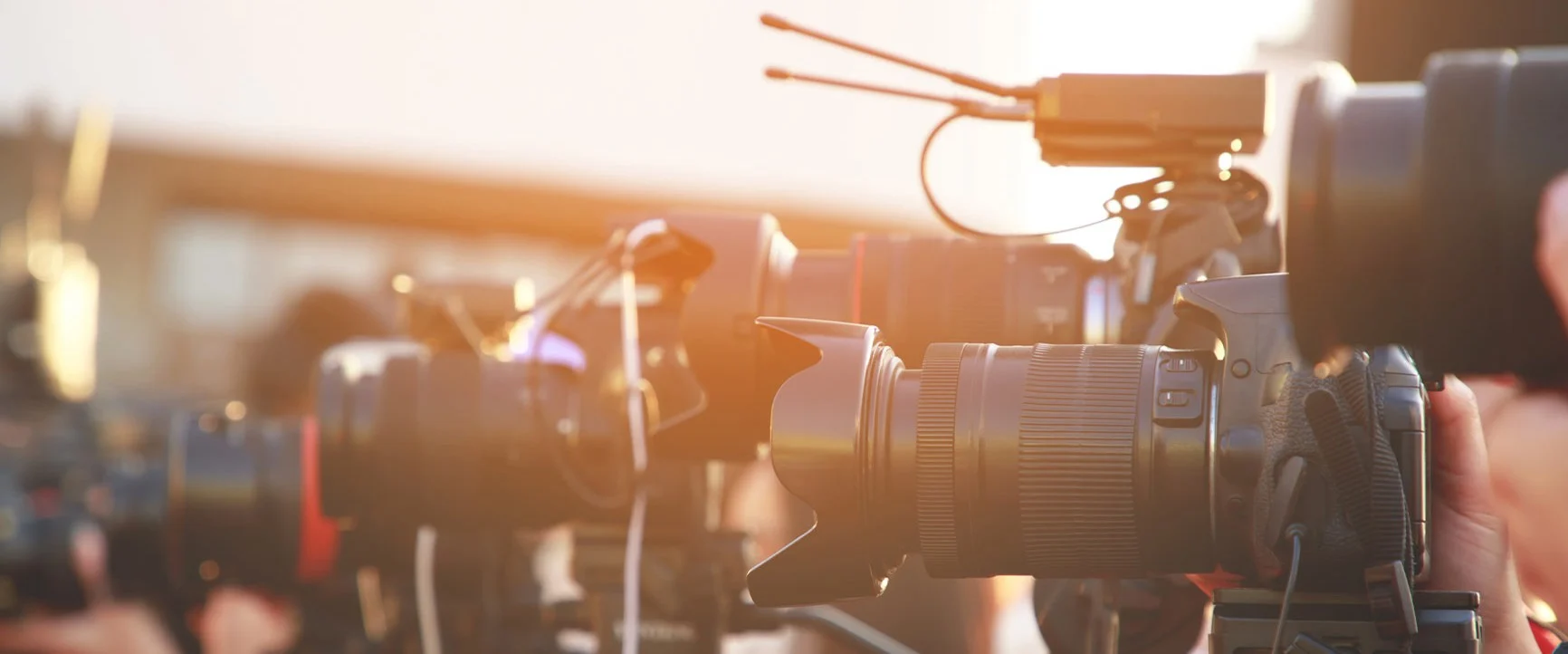
Documentary photography and photojournalism play a crucial role in depicting real-life events and human stories. They tell stories that raise awareness, inform, and often spark change. Whether in a crisis zone, on the streets of a metropolis, or at major events—choosing the right equipment is essential for creating authentic and compelling images. In this article, we highlight the necessary equipment for various applications within documentary photography and photojournalism.
Documentary Photography and Photojournalism: An Overview
Documentary photography and photojournalism have different, yet often overlapping, goals. While documentary photography aims to visually document a subject or social reality over an extended period, photojournalism focuses on the immediate coverage of news events. Both disciplines require a deep understanding of the stories to be told and the ability to capture them under sometimes challenging conditions.
Careful selection of equipment is essential to meet the challenges of these activities and achieve the best possible results.
Essential Equipment for Documentary Photography
Depending on what you’re photographing, your equipment will vary. If you’re on-site at press conferences to document important events, you may need either longer focal lengths to fully capture the speakers—or wide-angle focal lengths, since you’re indoors. As you can see: one application, yet very different requirements. However, there are a few factors that are important and consistent in the fields of documentary photography and photojournalism. We’ll discuss these below.
1. Cameras: Durability and Versatility
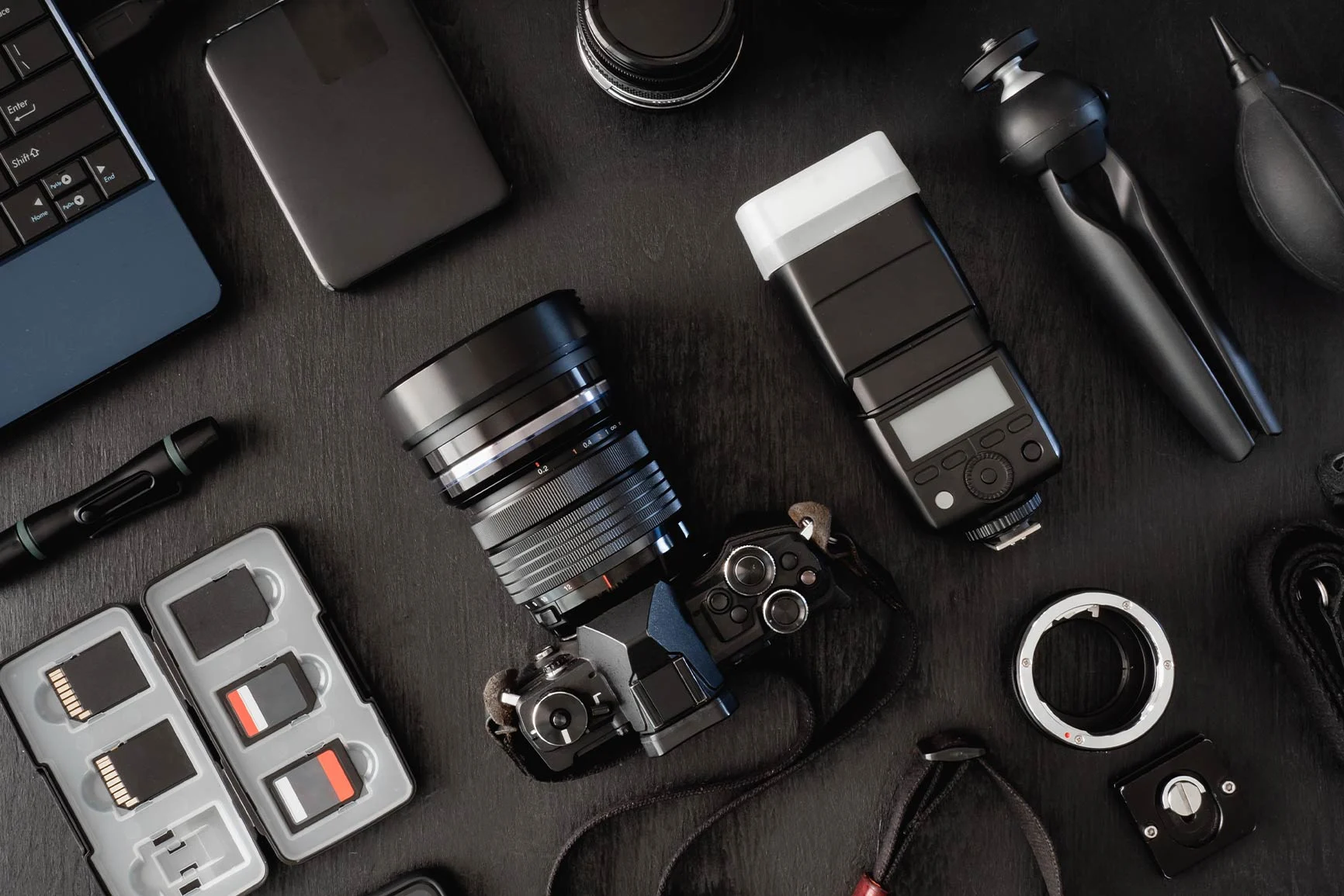
In documentary photography, the camera is the heart of your equipment. It must be durable enough to withstand the various environments in which you work—from urban settings to remote villages or even nature reserves. Additionally, the camera should deliver high image quality to ensure detailed shots even in low-light conditions.
Key Features:
Durability: The camera should be dust- and splash-proof to operate reliably even under extreme conditions.
Image quality: High resolution and good low-light performance are crucial for capturing the fine details of the scene.
Ergonomics: Good handling and an intuitive control system are important for working efficiently even during long assignments.
There is no such thing as the one ultimate camera that perfectly combines everything. If you are a documentary photographer and primarily work in humid, hot areas, good sealing on the camera and lens may be more important than optimal ergonomics. Here, it is important to weigh the pros and cons based on the specific application.
Tip: Rent and test the equipment beforehand.
2. Lenses: Flexibility and Detail
Lenses are the eyes of your camera and play a decisive role in how you capture a scene. In documentary photography, you need a selection of lenses to achieve different perspectives and image compositions.
Important Lenses:
Wide-angle lenses: These lenses are ideal for landscapes, architecture, or situations where you want to capture the entire scene. They allow you to create dramatic shots with great depth.
Standard zoom lenses: A standard zoom is extremely versatile and suitable for a wide range of scenarios—from portraits to street scenes.
Telephoto lenses: If you need to shoot scenes from a distance, such as at events or in nature, telephoto lenses are indispensable.
3. Accessories: Stability and Protection
In addition to a camera and lenses, you’ll need various accessories that make your work easier and protect your equipment.
Essential accessories:
Tripod: A lightweight and sturdy tripod is especially useful for long exposures and shooting in low-light conditions.
Camera backpack: A well-padded, weatherproof backpack protects your gear from the elements and has room for everything you need.
Memory cards and batteries: Sufficient high-speed memory cards and spare batteries are essential to ensure you don’t run out of shooting capacity while on the go.
Photojournalism: Speed and Reliability of Equipment
1. Cameras for Photojournalism: Speed and Durability
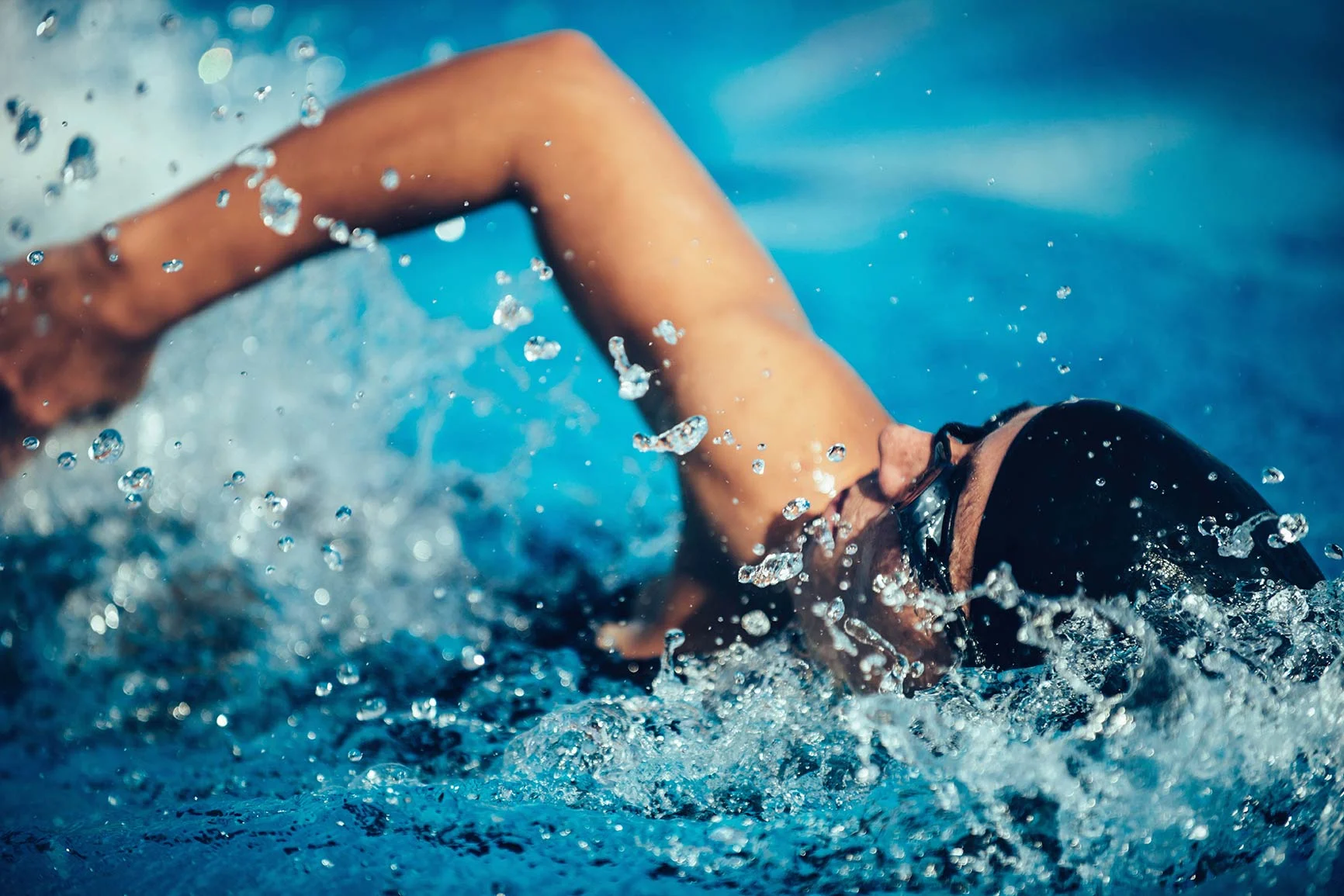
In photojournalism, it often comes down to capturing the decisive moment in a split second—for example, when documenting sporting events. Your camera must therefore not only be able to focus quickly and precisely, but also offer a high continuous shooting speed to capture multiple images in rapid succession.
Key features:
Speed: A high continuous shooting rate and fast autofocus are crucial for capturing fleeting moments.
Reliability: The camera must be able to operate reliably even under difficult conditions, such as bad weather or crowded environments.
Durability: Photojournalists often work in stressful and unpredictable environments. Therefore, the camera should be rugged and resistant to bumps and drops.
2. Lenses for Photojournalism: Quick Adaptability
In the fast-paced world of photojournalism, lenses must be flexible and capable of covering a wide range of scenarios. A zoom lens, for example, is useful for quickly switching from wide-angle shots of the entire scene to close-ups. It is also important that the lenses (and their autofocus motors) operate quickly and offer high light transmission.
Key Lenses:
All-purpose zoom lenses: These lenses are ideal for situations where you need to switch quickly between different focal lengths, such as when covering large crowds or fast-paced scenes.
Prime lenses: Fast prime lenses are ideal for low-light situations and allow you to capture the atmosphere and mood of a scene.
3. Flash units and lighting: Control over the light
In many situations, natural light may not be sufficient, such as when taking photos at night or indoors. A flash unit allows you to take clear, well-exposed photos even under such conditions.
Key equipment:
External flash units: These offer more power and flexibility than built-in flashes and are often essential for compensating for difficult lighting conditions.
Light modifiers: By using softboxes or reflectors, you can soften the light and achieve a more pleasant illumination.
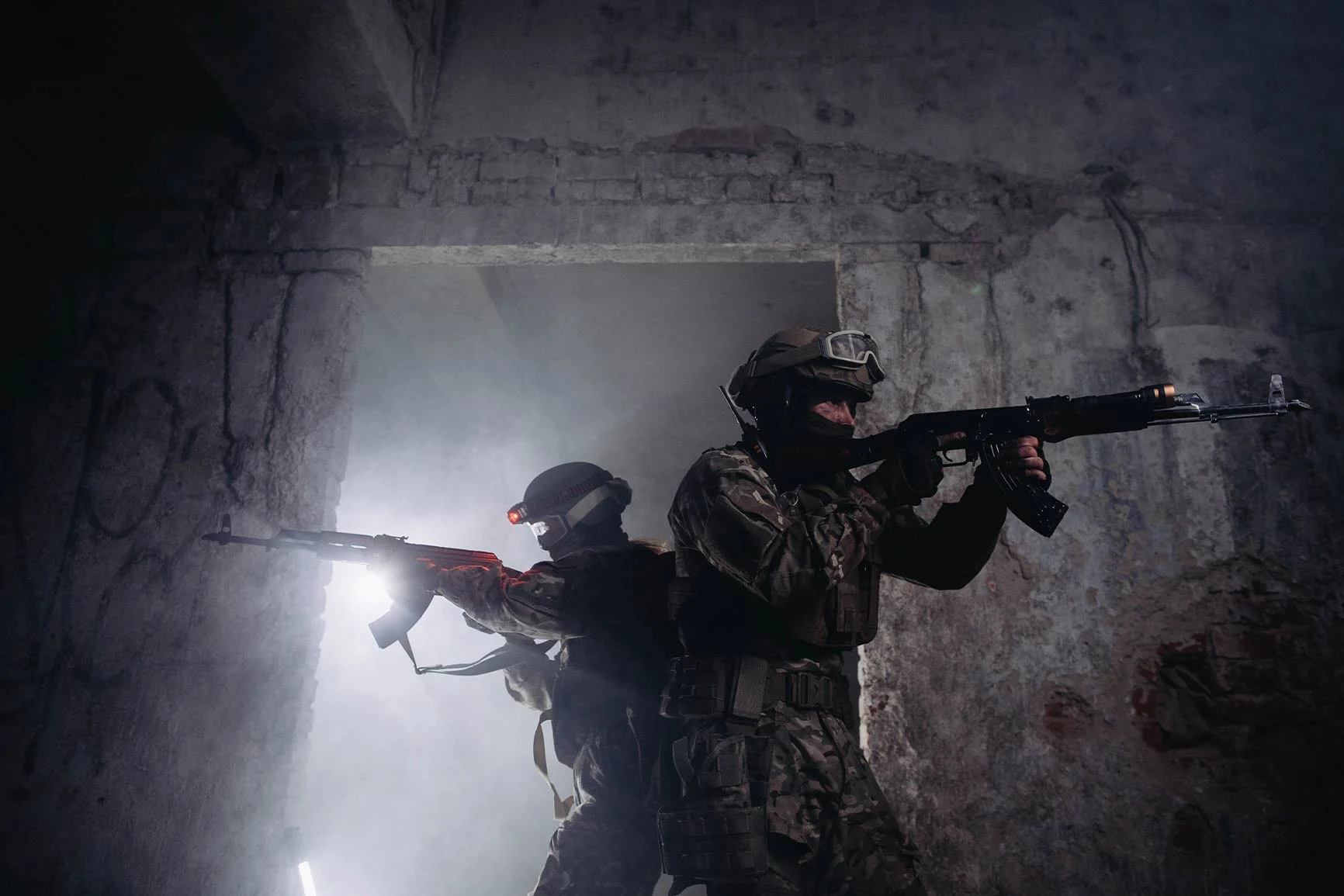
War and crisis reporting: Reliability and protection under extreme conditions
1. Cameras for war reporting: Durability and precision
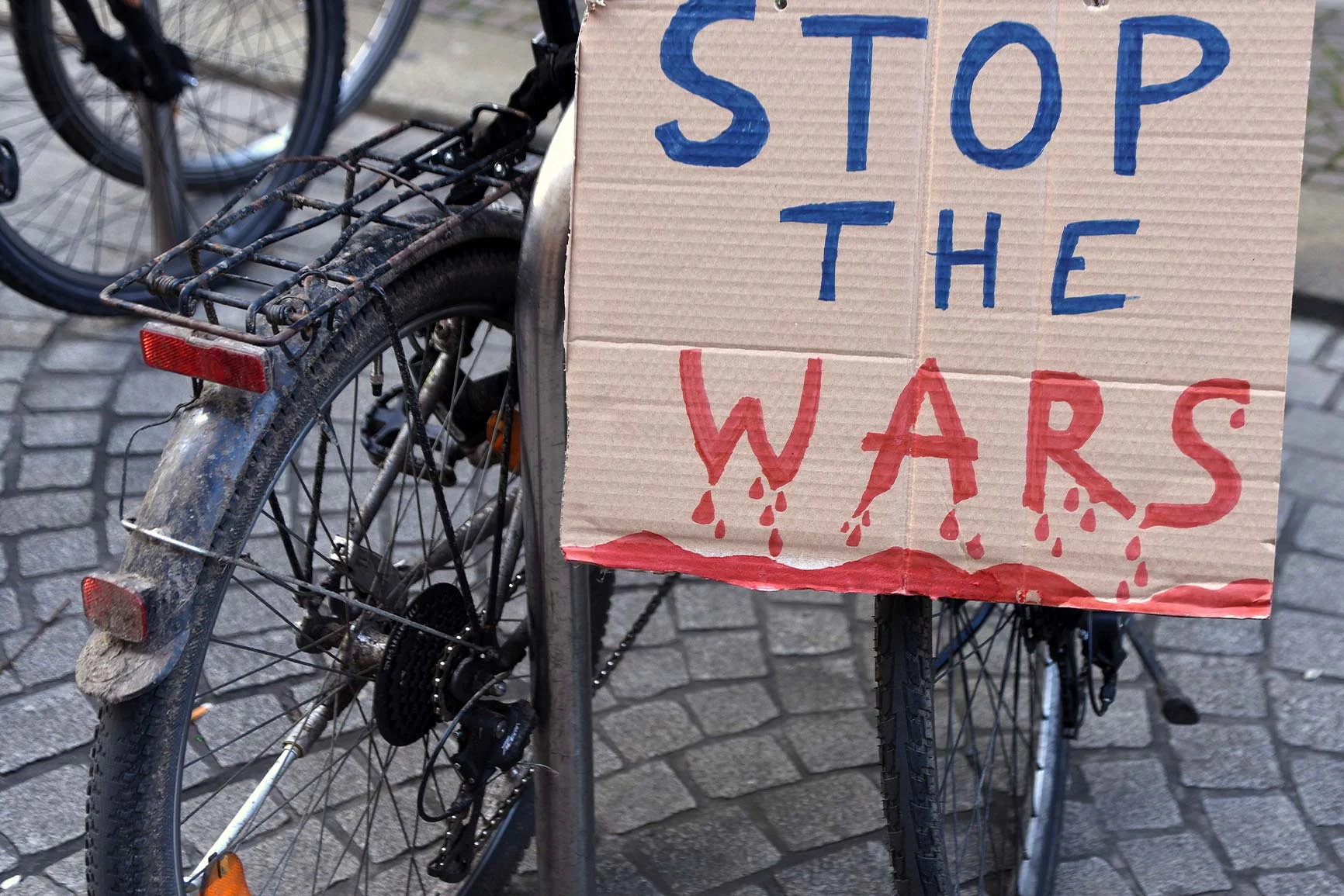
War and crisis photography places extreme demands on equipment. The camera must function under the harshest conditions, whether in dusty deserts, humid tropics, or freezing temperatures.
Key features:
Durability: The camera should be dust-, water-, and shock-resistant to withstand extreme conditions.
Reliability: The ability to operate reliably even at very low or high temperatures.
Battery life: Long battery life is crucial, as opportunities to recharge are often limited.
2. Lenses for war photography: Versatility and reliability
In crisis zones, flexibility is especially important, as you often have to react quickly without having time to change lenses.
Essential Lenses:
Versatile zoom lenses: A zoom lens that covers a wide focal length range is ideal for capturing both close-up and distant shots in rapidly changing situations.
Fast prime lenses: Fast prime lenses are essential for shooting in low-light conditions or indoors.
3. Accessories: Protection and Data Backup
Accessories for war and crisis reporting must not only protect your equipment but also ensure the security of your data, as lost images are often irreplaceable.
Essential accessories:
Protective case: A rugged protective case for the camera can shield it from impacts, water, and dust.
Extra batteries and memory cards: Since power and storage options are often scarce in crisis zones, you should always carry enough spare batteries and memory cards.
External storage devices: Rugged, portable hard drives or SSDs with data backup capabilities offer additional protection against data loss.
The Role of Post-Processing and Data Backup
1. Mobile image editing: Efficiency on the go
For documentary photographers and photojournalists, it is often necessary to edit and send images quickly, especially during breaking news events. A mobile image editing station is essential for this.
Essential tools:
High-performance laptops: A laptop that offers enough power for image editing but is also lightweight and portable is ideal.
Editing software: Use software that allows you to edit and optimize raw data quickly and efficiently, even on the go.
2. Data Backup: Protection Against Loss
Backing up your image data is of the utmost importance, especially in unpredictable or unsafe environments. Multiple backups on different media are essential to ensure that your work is not lost.
Important measures:
External storage media: Use rugged, portable hard drives or SSDs to create regular backups of your work.
Cloud storage: If possible, use cloud-based services for additional backups that remain accessible even if your physical equipment is lost or damaged.
Prints for documentary photography or photojournalism
Just as diverse as this genre is in terms of subjects, so too is it in print. While news reporting primarily supplies daily newspapers and is printed there, the situation is different for iconic images of major events.
Historically significant key images can be found, for example, as photos in wooden frames in large newsrooms or public buildings, or in Coffee Table Books of reportage photography. If these images are to be displayed as large prints in exhibitions, we recommend Fine Art Prints.
Conclusion: The Key to Success in Documentary Photography and Photojournalism
The equipment used by a documentary photographer or photojournalist is crucial to the quality and impact of the images produced. Whether it’s rugged cameras for extreme conditions, versatile lenses for different perspectives, or essential accessories for protecting and securing the equipment—making the right choices makes all the difference.
However, it is important to emphasize that equipment alone does not guarantee success. A deep understanding of the stories to be told, as well as the ability to adapt to unforeseen situations, are just as important. With the right combination of knowledge, experience, and equipment, any photographer can create striking images that have the power to change the world.
Learn more about the author
Jan-Ole Schmidt (better known simply as Ole) is from northern Germany and has been with WhiteWall for many years. As a team leader in product management, he brings extensive experience in the photography industry. He taught himself photography and has built up in-depth expertise in image production, papers, laminations, and framing.
His strength lies in the combination of technical expertise and customer perspective - from file upload to framing in the WhiteWall configurator. Ole has held workshops, been a guest on podcasts and is in close contact with the photography community. He lives, works and photographs in Cologne.

WhiteWall Product Recommendations


We’re Happy To Help
Stores Need assistance?Our team will help you select the perfect products!Discover Now
Customer Service Feel free to call us at +1 646 513 44 22 or send us an email at info@whitewall.com.Digital appointment
Gift Certificates The Right Photo GiftDiscover Now
