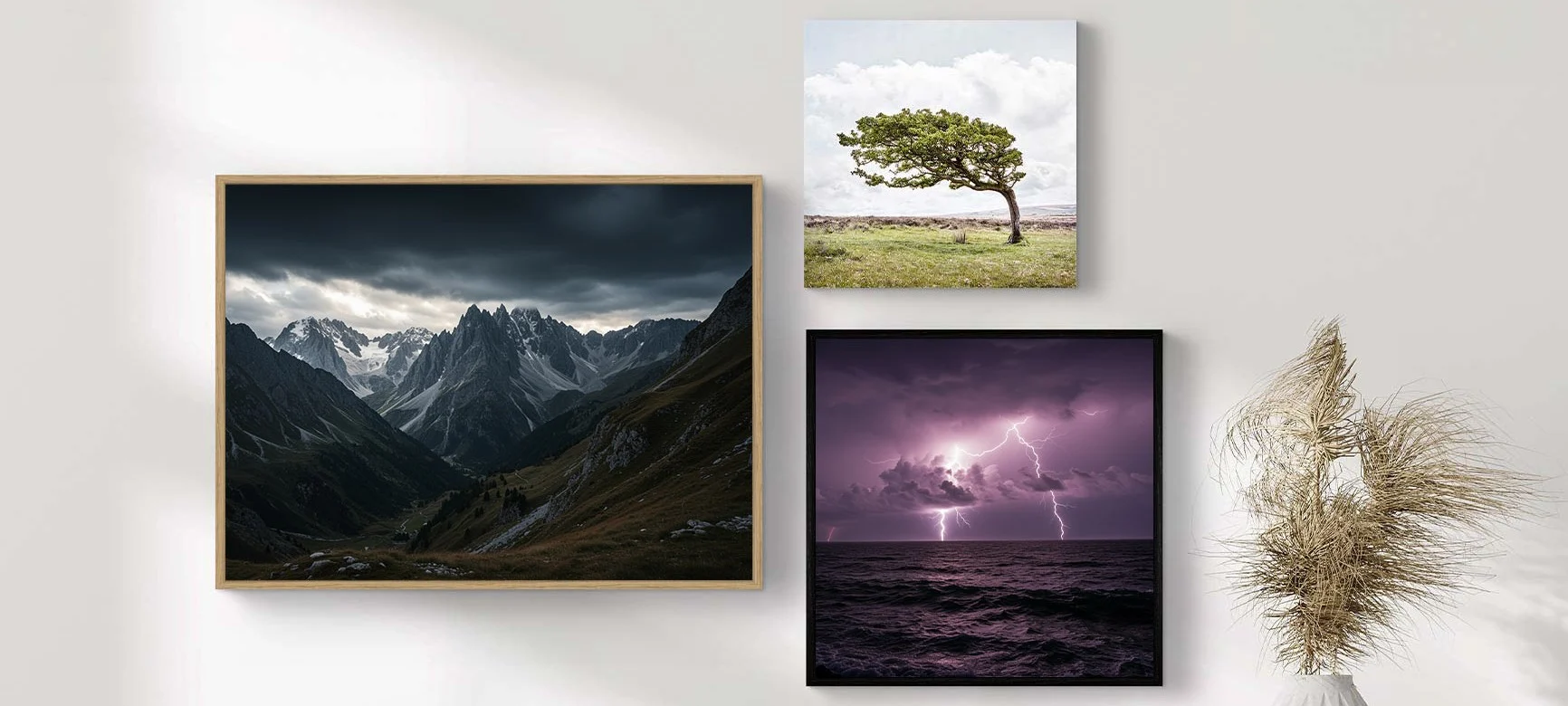
Weather photography: Focus on clouds, storms, and lightning
By WhiteWall expert Jan-Ole Schmidt
Weather photography is a fascinating and challenging genre. It combines the beauty and unpredictability of nature with technical skill and creativity. From dramatic cloud formations to imposing thunderstorms and impressive lightning—photographing weather phenomena offers unique subjects. This article provides insight into the challenges, technical requirements, and safety aspects of weather photography and shows you how to capture these natural events in striking images.
The Fascination and Challenges of Weather Photography
Weather photography has always held a special fascination for photographers. Weather phenomena are often fleeting, unpredictable, and can be breathtakingly beautiful. Cloud formations, storms, or lightning give the sky a dynamism that makes every image vivid and unique. Yet it is precisely the fleeting nature of weather phenomena that presents photographers with major challenges.
The biggest challenge is predicting the weather and being in the right place at the right time. Weather phenomena often change very quickly, and an impressive storm or flash of lightning can be over in a matter of seconds. Photographers must be able to adapt quickly to changing lighting conditions and choose the right technique for the phenomenon at hand.
Special Challenges in Weather Photography:
Window of opportunity: Many weather phenomena, such as lightning or cloud formations, last only a few moments.
Changing lighting conditions: Depending on the time of day and weather conditions, lighting conditions change, making exposure difficult.
Technical requirements: Rugged camera equipment that can withstand the weather conditions is essential.
Despite the challenges, weather photography offers endless creative possibilities. Those who master the technical nuances and understand the risks can capture breathtaking and dramatic images that showcase the raw and unpredictable nature.
Technical Considerations and Equipment
Weather photography requires certain technical equipment and preparation to capture the forces of nature in the best light. Here are some technical tips and pieces of equipment you’ll need to achieve optimal results.
1. Camera and Lenses
Choosing the right camera and lenses is crucial. For weather photography, a digital SLR camera with manual settings is ideal. The camera should also be weather-sealed to withstand rain, wind, and dust.
Wide-Angle and Telephoto Lenses
Wide-angle lenses: Ideal for capturing large cloud formations or expansive landscapes.
Telephoto lenses: Perfect for bringing in the details of a storm or distant lightning.
A wide-angle lens is ideal for capturing the vastness and drama of an approaching thunderstorm. Imagine standing before an endless, open landscape while dark, threatening clouds gather on the horizon. The wide-angle lens allows you to capture the entire scene—from the vast, silent plain to the impressive cloud formations sweeping across the sky. The vastness of the sky and the dramatic movement of the clouds convey a sense of grandeur and menace to the viewer. The wide-angle lens enhances the dynamism of the scene by giving the image a deeper perspective and emphasizing the lines and structures of the approaching storm.
In contrast, a telephoto lens allows you to capture the intensity of a single lightning strike in detail from a safe distance. You can focus on the moment the lightning tears through the sky without entering the immediate danger zone of a thunderstorm. The telephoto lens zooms in on the lightning, capturing its fine branches and luminosity so that it appears in the image like an explosion of light and energy. While the wide-angle lens dramatically frames the storm as a whole, the telephoto lens allows for the precision and detail of a lightning strike without putting yourself in unnecessary danger.
2. Tripod and Remote Shutter Release
Since weather photography often requires long exposures, especially when shooting lightning or starry skies at night, a sturdy tripod is a must. A remote shutter release helps prevent camera shake when the shutter is triggered.
3. Filters
Use ND filters (neutral density filters) to extend the exposure time in very bright conditions and capture movement in the clouds or waves of a storm. Polarizing filters are helpful for reducing reflections on water surfaces and making the sky appear more dramatic.
4. Flash Trigger
A flash trigger can be particularly helpful if you want to capture lightning. These devices detect lightning and trigger the camera at the right moment, allowing you to reliably capture the brief moment of the flash.
Safety in Weather Photography
Photographing weather phenomena is not without risk. Thunderstorms and storms, in particular, can be dangerous. Photographers should always keep an eye on weather conditions and safety precautions to avoid putting themselves in unnecessary danger.
Hazards and Safety Precautions
Lightning: Lightning is unpredictable and extremely dangerous. Always stay at a safe distance from thunderstorms and avoid standing in open fields or on hills, as these locations are particularly prone to lightning strikes. Use telephoto lenses to capture lightning from a safe distance.
Storms: Storms often bring strong winds, rain, and hail, which can harm both you and your equipment. Seek shelter when a storm approaches, and avoid taking photos outdoors during a severe storm.
Extreme Temperatures: Whether it’s heat or cold, extreme weather conditions pose a challenge for both people and equipment. Be sure to protect your gear from heat or cold and take enough breaks to avoid overheating or hypothermia.
It’s important not to stray too far from safe areas and to closely monitor weather forecasts. With a good sense of safety and preparation, you can capture impressive images without putting your health at risk.
Weather Phenomena and Photography Techniques
Choosing the right photographic technique depends heavily on the type of weather phenomenon you want to capture. Every weather event brings its own challenges and requirements that demand a specific approach. From gently drifting cloud formations to dramatic storms and spectacular lightning—each phenomenon calls for different techniques, equipment, and planning. Below are some of the most common weather phenomena, along with proven tips on how to photograph them perfectly. Whether it’s capturing the movement of clouds in long exposures, capturing the immense power of an approaching storm, or photographing the exact moment a lightning bolt strikes—choosing the right technique can make the difference between an ordinary image and a breathtaking shot.
Cloud Photography
Clouds are one of the most frequently used subjects in weather photography. From dramatic cumulonimbus clouds during a storm to gentle cirrus clouds at dusk—the variety of cloud formations offers endless creative possibilities.
Exposure: Clouds often change quickly, so it’s important to keep an eye on the exposure. Avoid overexposure, especially when photographing white clouds against a blue sky.
Wide-angle lens: Use a wide-angle lens to emphasize the vastness of the sky and the cloud formations.
ND filter: To capture motion in the clouds, you can use an ND filter to employ longer exposure times, allowing the clouds to “drift” across the sky.
Lightning Photography
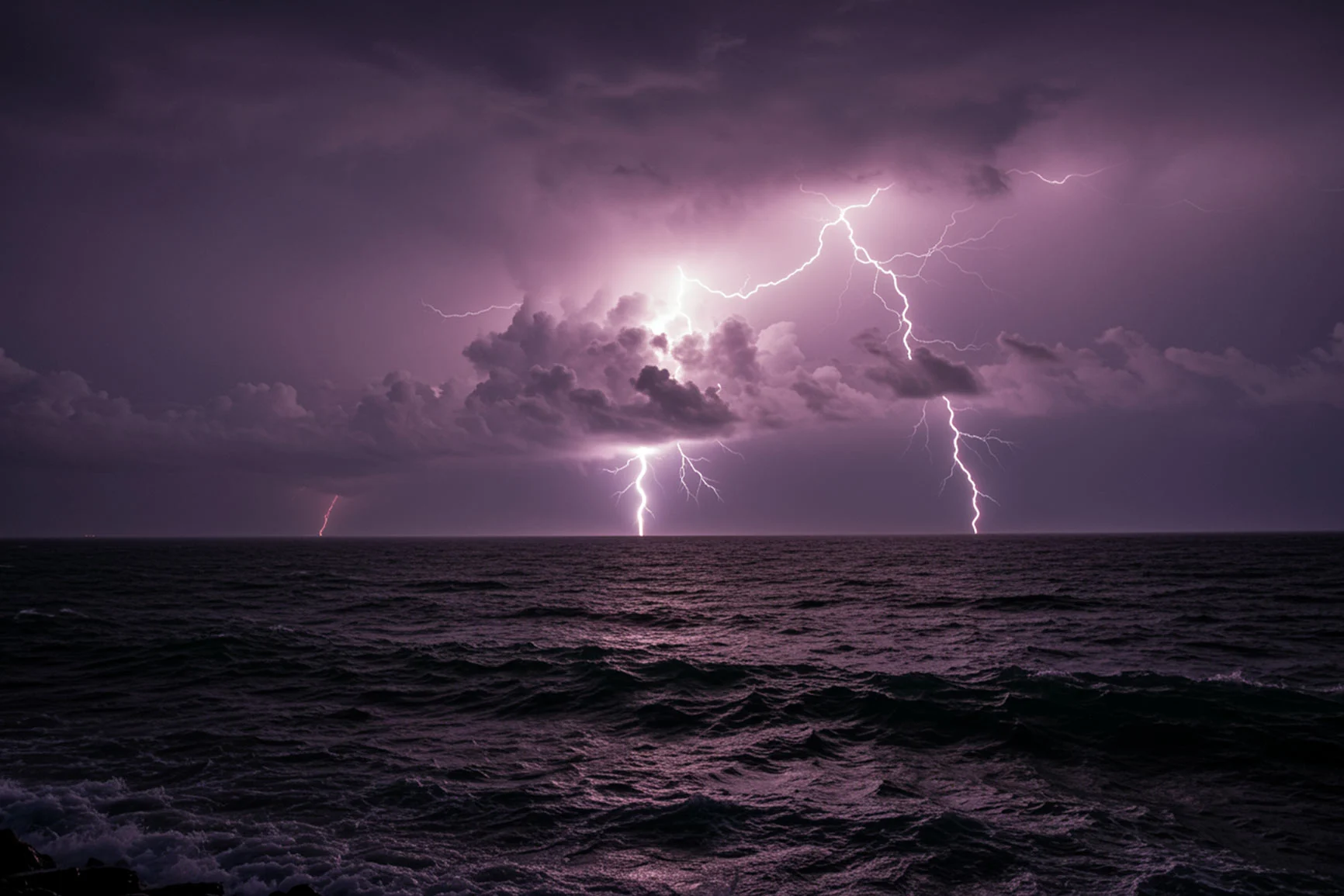
Lightning is impressive and often hard to predict. Finding the right conditions for lightning photography requires patience and the right equipment.
Long Exposure: Lightning typically occurs in the dark. Use long exposures to capture the lightning alongside the landscape. A lightning trigger can help you capture the perfect moment.
Focus: Set the focus to manual, as the camera’s autofocus system often struggles to react quickly during thunderstorms and lightning.
Storm Photography
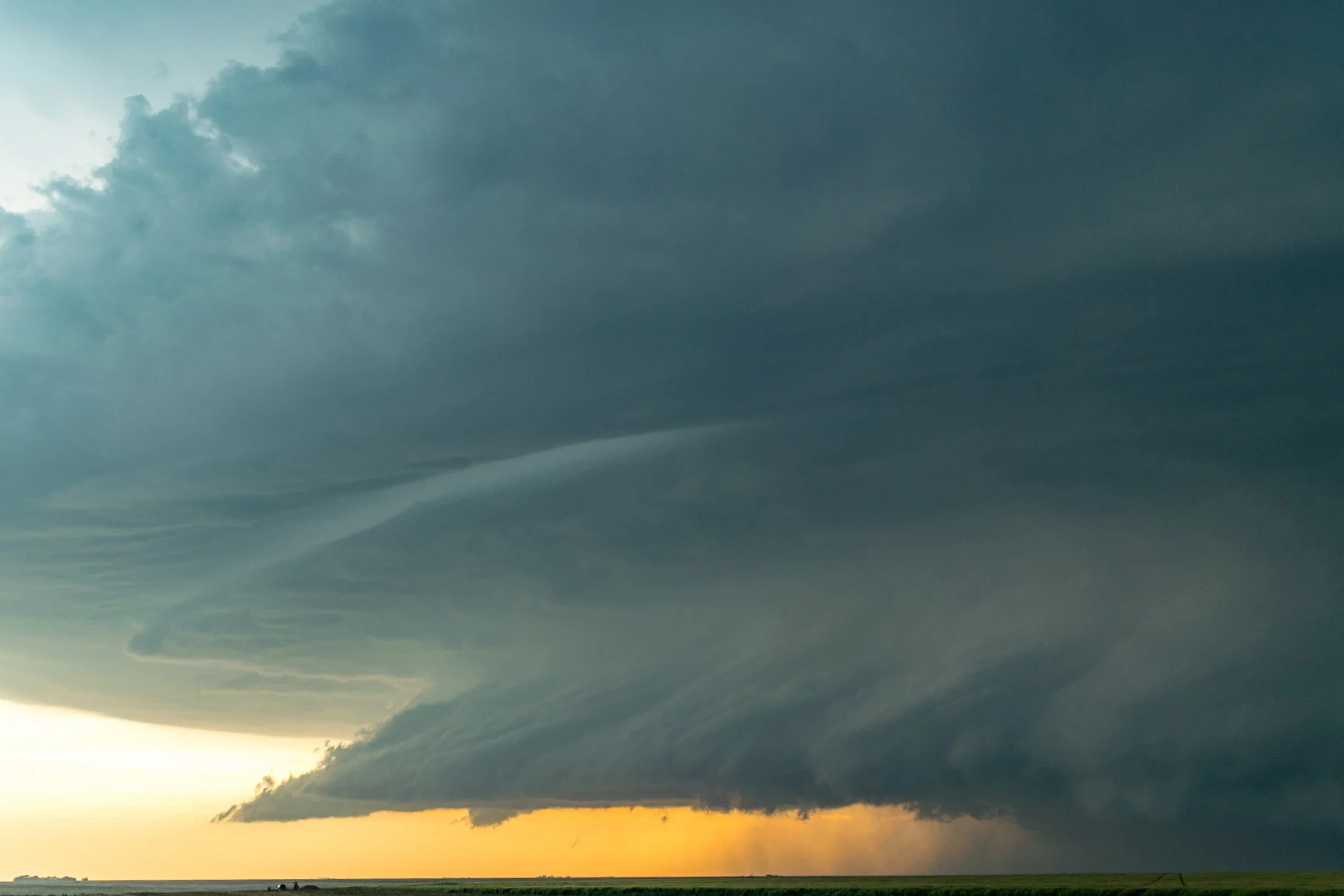
Storms offer dramatic subjects, from gathering clouds to heavy rain and hailstorms.
Tripod: Use a sturdy tripod to prevent camera shake in stormy conditions.
Exposure compensation: Storms can quickly change the light. Be sure to adjust the exposure, especially as the sky darkens.
Presenting Your Weather Photography with WhiteWall
Once you’ve captured impressive shots of weather phenomena, the question arises: how can you best present them? WhiteWall offers high-quality products that are ideal for showcasing your images and highlighting the atmosphere and drama of your weather photography.
1. Photo Print on aluminum Dibond
Aluminum Dibond is one of the best options for showcasing your weather photos. This robust yet elegant presentation format perfectly highlights the rich colors and strong contrasts of your lightning, clouds, and storms. The matte surface of the aluminum Dibond looks particularly sophisticated and professional, especially in photos featuring dramatic cloud formations or lightning.
More information about photos on aluminum Dibond
2. Acrylic Glass Prints
A Photo Print mounted behind acrylic glass gives your images a special depth and brilliance. Weather phenomena such as storms or lightning, which rely heavily on contrast, gain even more impact thanks to the glossy surface and high color intensity of the acrylic glass. The glass enhances the reflections and highlights in your photos and creates an almost three-dimensional effect.
More information about photos behind acrylic glass
3. Fine Art pigment prints behind Acrylic Glass
Fine Art pigment prints behind acrylic glass are the perfect choice for collectors and exhibitions. We use state-of-the-art printing technologies that meet even the highest standards. A high-resolution Fine Art Print behind acrylic glass presents your image with an exceptionally wide color spectrum and impressive luminosity. For maximum durability, the printed image is protected behind the acrylic glass by a sealant made of permanently elastic silicone. This sophisticated technique ensures perfect results for all image sizes and even allows for impressive large formats of up to 290 x 180 cm.
More information about Fine Art pigment prints behind acrylic glass
Conclusion
Weather photography offers a fascinating opportunity to capture the dynamism and beauty of the forces of nature. Although it presents numerous challenges and dangers, the reward in the form of unique and impressive images is all the greater. Mastering the technical nuances and having the right equipment are crucial for capturing the perfect moment—whether it’s the instant a lightning bolt illuminates the night or the dramatic cloud formations of an approaching storm.
To present your results in the best possible way, WhiteWall offers premium products that showcase your shots and highlight the brilliance and intensity of your weather photography. These products not only guarantee high-quality craftsmanship but also enhance the depth and drama of your images.
With the right preparation, the appropriate equipment, and the necessary care, you can capture the fleeting and majestic moments of the weather in spectacular images that are both emotionally moving and technically impressive.
Learn more about the author
Jan-Ole Schmidt (better known simply as Ole) is from northern Germany and has been with WhiteWall for many years. As a team leader in product management, he brings extensive experience in the photography industry. He taught himself photography and has built up in-depth expertise in image production, papers, laminations, and framing.
His strength lies in the combination of technical expertise and customer perspective - from file upload to framing in the WhiteWall configurator. Ole has held workshops, been a guest on podcasts and is in close contact with the photography community. He lives, works and photographs in Cologne.

WhiteWall Product Recommendations


We’re Happy To Help
Stores Need assistance?Our team will help you select the perfect products!Discover Now
Customer Service Feel free to call us at +1 646 513 44 22 or send us an email at info@whitewall.com.Digital appointment
Gift Certificates The Right Photo GiftDiscover Now
