Wildlife photography
By WhiteWall expert Jan-Ole Schmidt
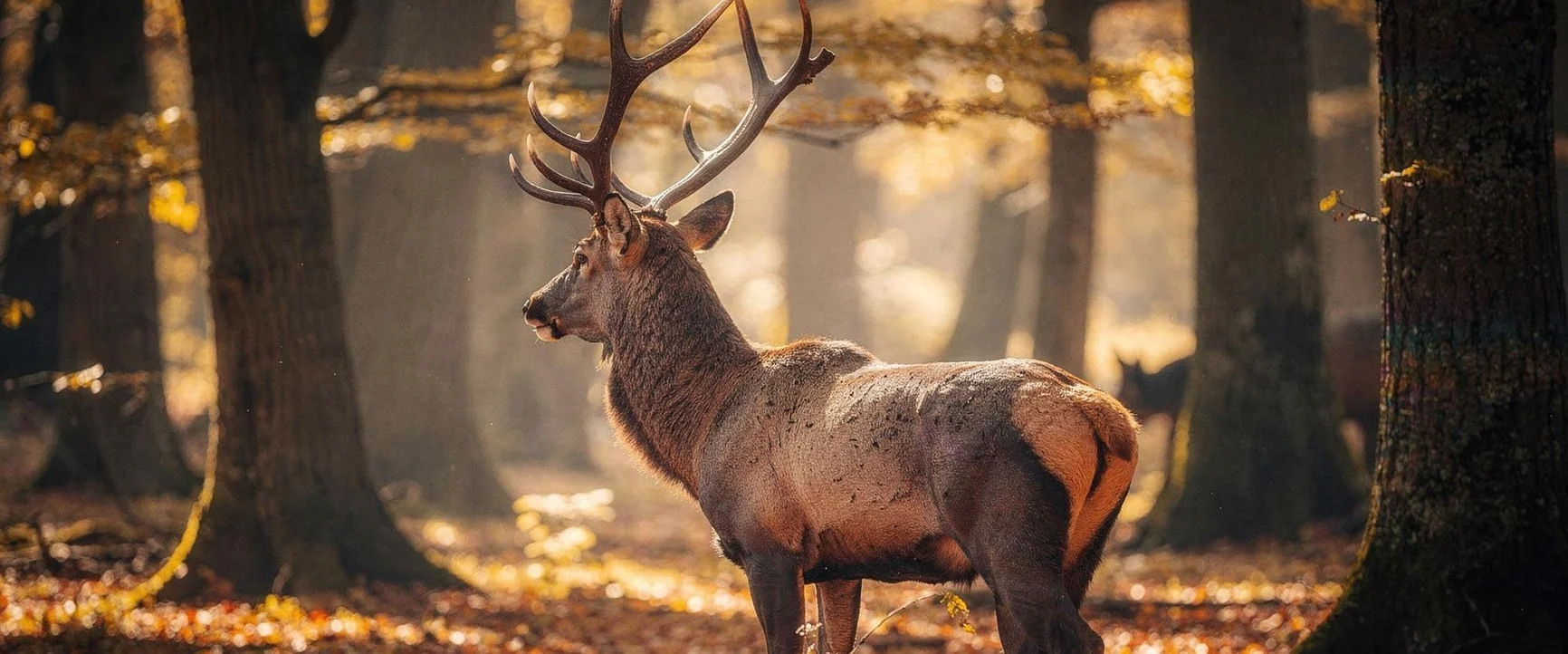
Wildlife photography is one of the most fascinating and, at the same time, most challenging forms of animal photography. It requires patience, skill, a keen eye for detail, and the right equipment. In this article, you’ll find comprehensive tips and tricks on how to succeed in wildlife photography—from planning and choosing your equipment to post-processing your images. With practical examples and use cases, we’ll show you how to take impressive shots that can be perfectly preserved on high-quality photo paper prints from WhiteWall.
1. Wildlife Photography vs. Pet Photography: What Are the Differences?
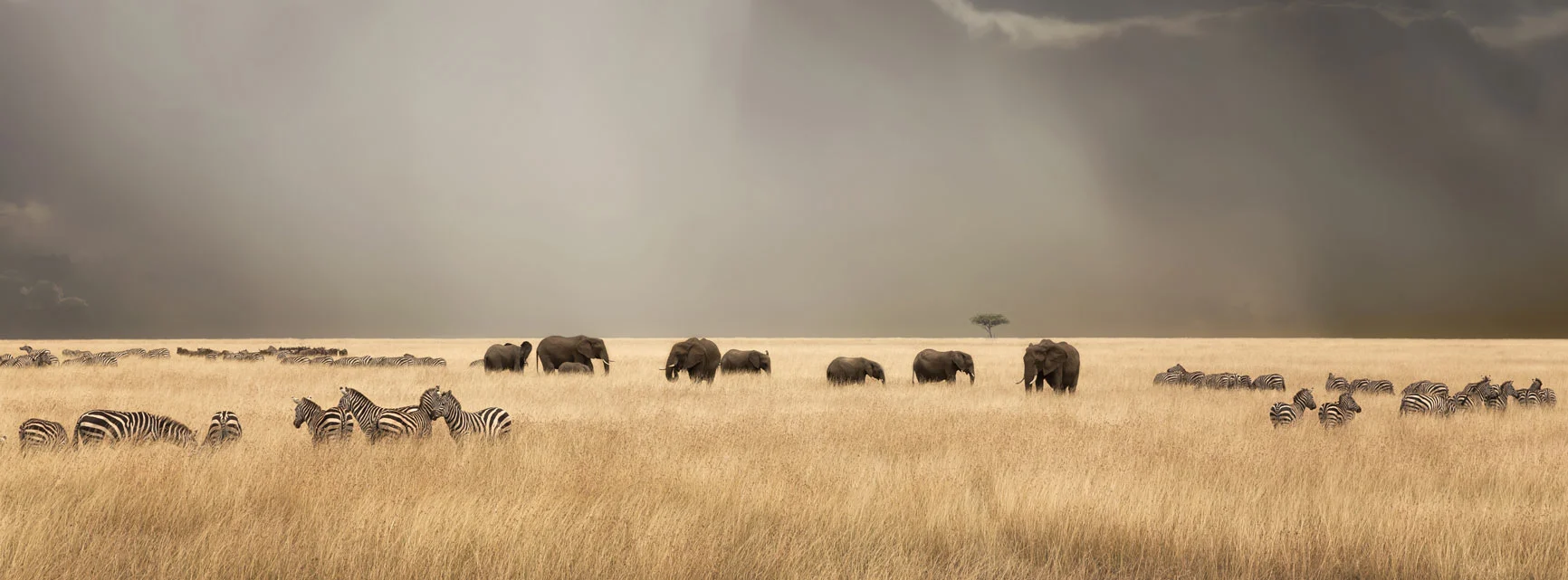
Pet photography is often a relaxed affair. Pets are used to people and can be photographed in a controlled or familiar environment. In wildlife photography, on the other hand, you encounter animals in their natural habitat—often shy creatures that are easily startled and offer only a brief moment for a photo.
Wildlife photographers must be patient, well-informed, and in the right place at the right time to even have a chance of capturing a photo of an animal in the wild.
Practical comparison:
Pet photography: You can use toys or treats to get the animal’s attention.
Wildlife photography: Here, you often have to sit still for long periods or camouflage yourself so as not to scare the animal away.
2. Preparation and Planning: The Key to Success
Before heading out into nature, it’s crucial to understand the behaviors and habitats of the animals you want to photograph. Research is key here. If you know when and where certain animals are active, you significantly increase your chances of getting successful shots. To this end, wildlife photographers often consult relevant books on the respective animal species and then research where they can find these animals. This can be close to where you live or involve a longer drive (and thus more extensive planning).
Practical example: If, for instance, you want to photograph eagles in the wild, you should know the season in which they breed or hunt. In many regions, the winter months offer the best chance to observe eagles hunting, as they are searching for food during this time.
3. The Right Equipment for Wildlife Photography: What You Really Need
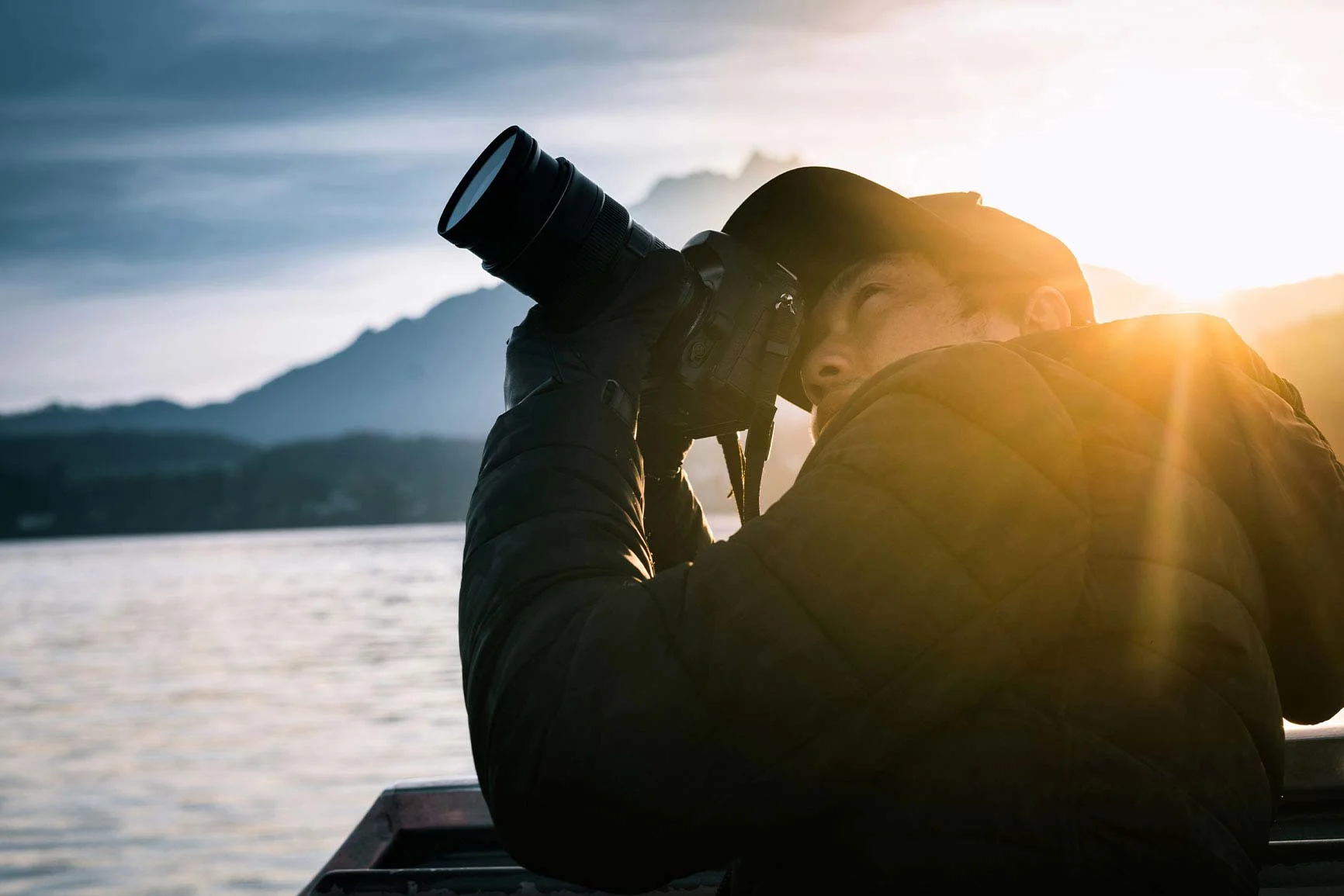
The right equipment is a crucial factor for successful wildlife photography. In addition to a high-quality camera, telephoto lenses with a long focal length are particularly advantageous for capturing animals from a safe distance.
3.1. Camera Systems: Prioritize Quality and Flexibility
Wildlife photographers typically rely on full-frame cameras, as the sensor’s high resolution allows for slight cropping without significant loss of detail. Because their larger size allows more light to reach the sensor, they perform efficiently even at higher ISO settings. This is crucial when animals are moving in partial shade or are crepuscular or nocturnal.
Cameras with fast autofocus and animal autofocus are also practical. For images of wildlife in motion, a high continuous shooting speed can also be crucial.
Recommendation: Opt for a system that offers high resolution and can capture a large number of frames per second to capture motion.
3.2. Telephoto Lenses: Photographing Animals from a Safe Distance
Wild animals are generally very shy. You cannot approach them at close range. That is why wildlife photographers work with longer focal lengths, such as 300 mm. However, professionals who photograph particularly shy—or even particularly dangerous—wild animals often use lenses with focal lengths of 600 or 800 mm. This allows them to photograph animals in their natural environment without disturbing them.
Tip: Use zoom lenses to respond flexibly to different situations, or prime lenses if you place particular emphasis on image quality.
3.3. Teleconverters: Extending the Reach
If the animals are particularly dangerous, shy, or far away, there are other practical tools for wildlife photographers in their camera bag. One such tool is a teleconverter.
With a teleconverter, you can extend your focal length without having to carry an additional lens. For example, a 1.4x converter can extend a 400mm lens to 560mm. Note, however, that the aperture decreases in the process.
3.4. Camouflage Tents and Nets: Invisible in Nature
Camouflage tents and nets are also pieces of equipment designed specifically for wildlife photographers. Once photographers know where an animal regularly goes, they can lie in wait and observe. These allow you to photograph from close range and wait for the right moment.
Tip: A well-camouflaged tent not only offers protection from the animals’ gaze but also from weather conditions like rain or wind.
3.5. Tripod and monopod: For blur-free shots
A sturdy tripod helps you take photos even with long focal lengths or in low-light conditions. A monopod, which you may be familiar with from motorsports photography, is a good alternative if you want to be more flexible and react faster.
3.6. Remote Shutter Release and Camera Traps: Photographing from a Safe Distance
Sometimes it’s safer for only the camera—and not the photographer—to be near the animal. There are numerous creative solutions for this in wildlife photography. For example, camera traps are used, where the camera is triggered from a safe distance. This can be done via a remote shutter release, but is often also connected to a motion sensor. With a remote shutter release, you can operate your camera from a distance without startling the animal.
Some wildlife photographers also mount their cameras on small remote-controlled cars to take close-up shots.
4. Behaviors and Techniques for Impressive Shots
In wildlife photography, it’s important to seize the right moment. Animals in the wild can’t be directed and don’t stay in one position for long. Quick reaction times and the ability to adjust your camera settings in a flash are essential.
4.1. Patience and Timing: Waiting for the Right Moment
Wildlife photography is often a test of patience. Animals cannot be directed, and it can take hours or even days for the perfect moment to arrive. Successful photographers know that patience is the key to capturing unique shots.
Practical example: Renowned nature photographer Steve Winter spent weeks in a treehouse to photograph the rare snow leopard in the mountains of Pakistan. The result: a spectacular photo that went viral.
4.2. Choosing the Right Perspective
A low camera angle often conveys a more intense sense of closeness and presence. By positioning the camera at the animal’s eye level, you create an emotional connection with the viewer. The effect is similar to portrait photography, where people are also photographed at eye level to create particularly powerful images.
Example: When photographing a fox curiously roaming through the underbrush, the shot will be much more striking if taken at eye level rather than from above.
Tip: Always focus on the animal’s eyes to create an emotional connection. The eyes are the “mirror of the soul” and draw the viewer into the image.
4.3. Pay Attention to Details
It is often the small details that make a picture unique. These can include a particularly beautiful play of light on the fur, a characteristic movement, or an intense gaze from the animal.
In wildlife photography, composition is just as important as the subject itself. An artfully composed image will draw the viewer’s eye. And in wildlife photography, too, photographic rules such as the rule of thirds help create more impactful images. For more tips on artistic images, we recommend taking a look at Composition and Design.
5. The Importance of Light and Weather
In all genres of photography, there are specific times of day when professionals head out. This also applies to wildlife photography. However, it should be noted that professionals in this field often spend the entire day out taking photos.
5.1. Taking Advantage of the Golden Hour
The best light for wildlife photography is often found in the early morning and late evening hours, the so-called “golden hour.” During this time, the light creates soft shadows and warm colors that make your images appear more vivid.
Example: Photograph a deer at dawn as the first rays of sunlight break through the fog. The soft light lends the image a magical atmosphere.
Of course, this only applies to wildlife that is active during these times. Animals active at dawn and dusk are more likely to be encountered during the blue hour—that is, the hour before sunrise and after sunset. One example is rabbits, which, incidentally, can also be photographed in many city parks.
But there are also subjects for wildlife photographers during the day. In the woods, beneath the shady tree canopies, the harsh light of the midday sun is less of a problem, as the forest floor is usually in shadow or partial shade.
5.2. Seizing the Opportunity in Bad Weather
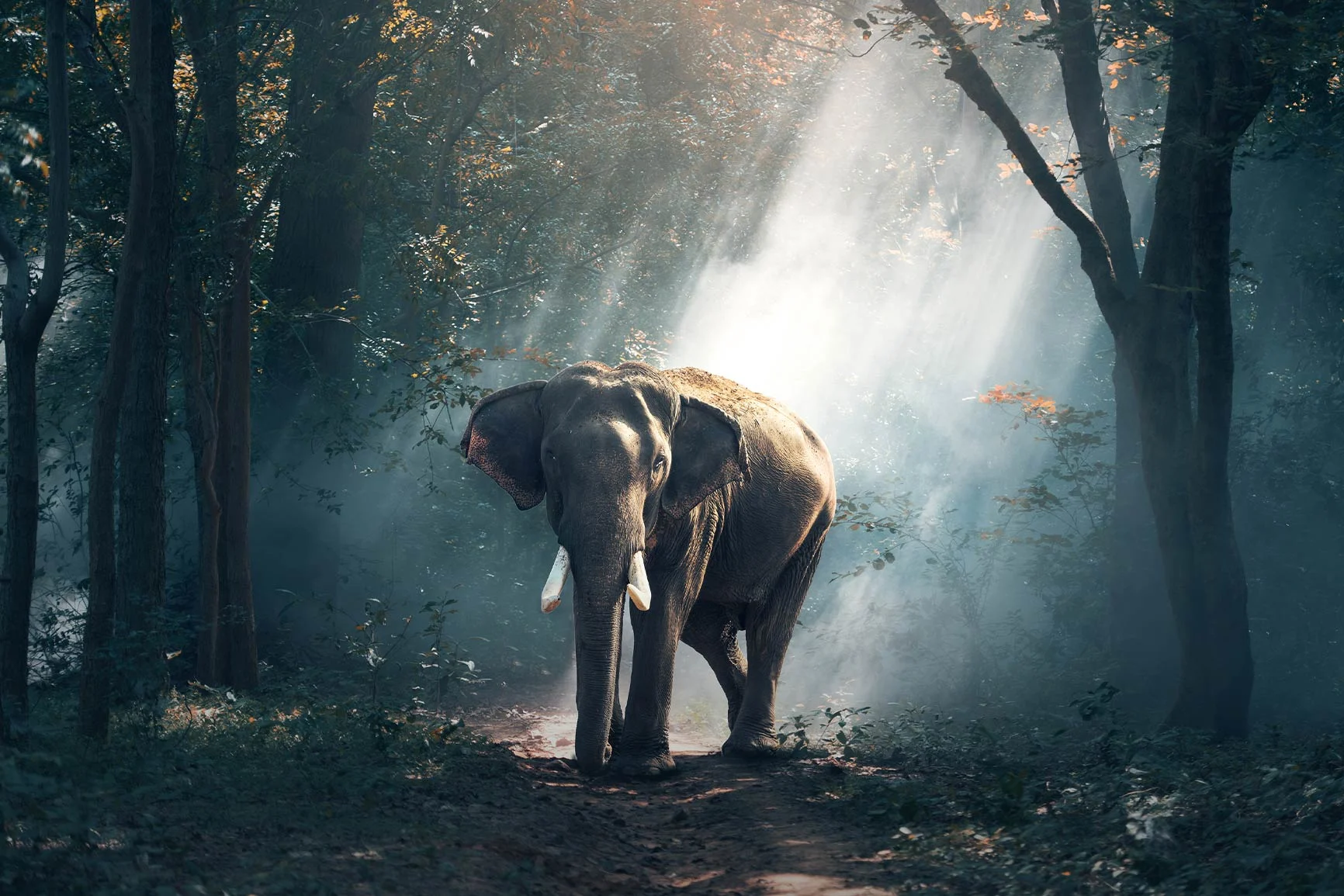
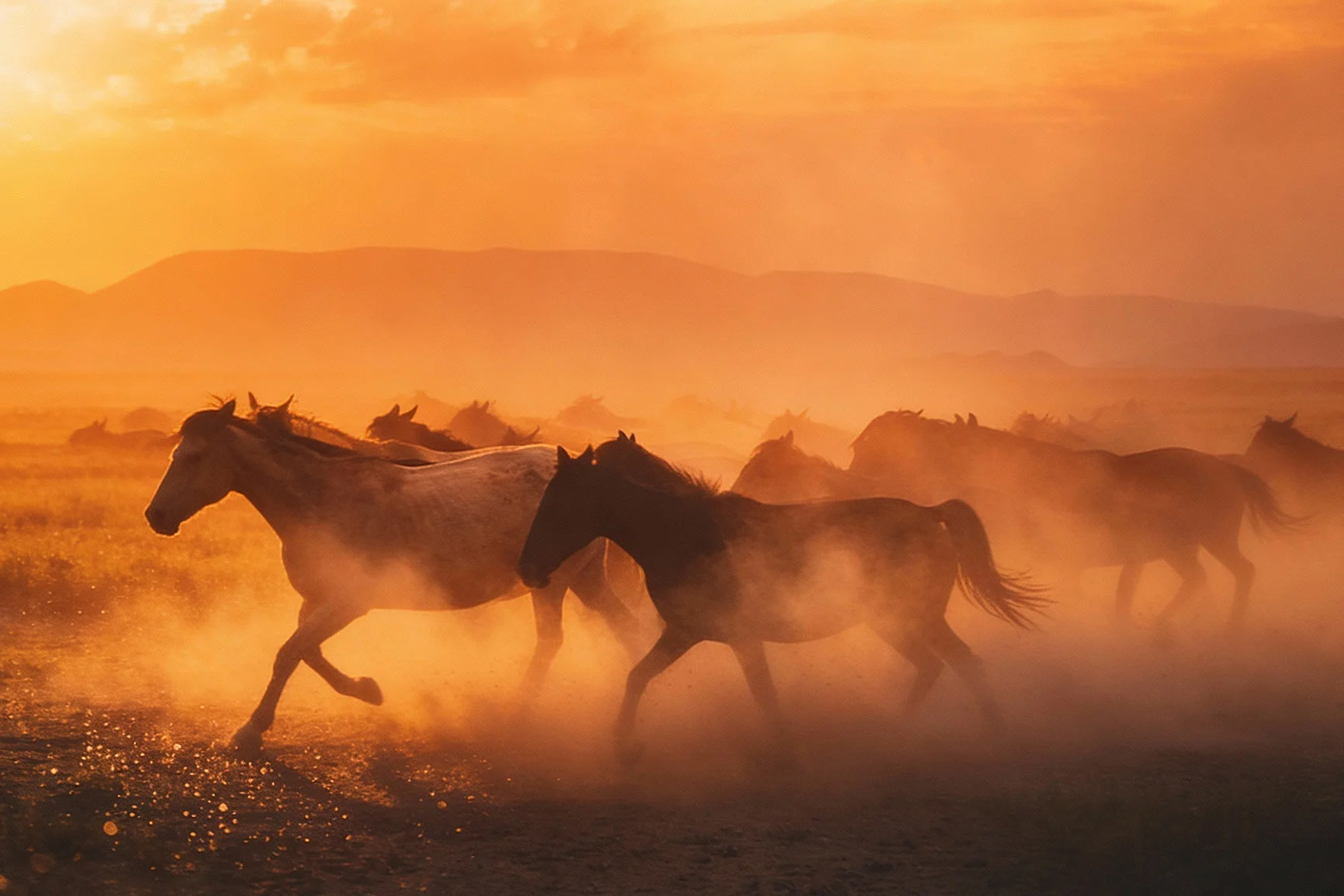
There is hardly a genre for which the saying applies better than wildlife photography: There is no such thing as bad weather, only bad equipment. Wild animals are always on the move, no matter what the weather is like. Rain, fog, or snow in particular can lend wildlife photos a unique atmosphere. Animals often behave differently in bad weather, which gives you the chance to capture unusual shots.
Tip: Protect your gear with a rain cover and use the damp environment to capture atmospheric images.
6. Safety and Respect When Interacting with Wildlife
Your safety and that of the animals always come first. Always maintain a respectful distance and do not harass the animals. Remember that you are a guest in their habitat.
6.1. Maintain a safe distance
Maintaining a sufficient distance is important for all wildlife. Most animals will feel disturbed simply by your presence; some will flee before you can even see them, alerted by your scent.
But especially with predators, maintaining a safe distance is also important for your own safety. That’s why professional wildlife photographers who photograph hunters around the world travel with trackers and spotters who keep an eye out for them.
Note: A remote shutter release and a telephoto lens allow you to photograph animals from a safe distance without disturbing them.
6.2. Do Not Feed or Lure
Feeding wild animals is not only dangerous but also harmful to the animals themselves. It can disrupt their natural behavior and put them in danger. In many places, it is also expressly prohibited—such as feeding bears in American national parks.
Instead, be patient and let the animals approach you naturally.
7. Post-processing: Getting the most out of your shots
Post-processing is an important step in unlocking the full potential of your wildlife photos. Programs like Adobe Lightroom or Photoshop allow you to optimize contrast, colors, and sharpness.
7.1. In Image Editing
Most wildlife photographers rely on RAW shots, as this format contains more tonal information. This is perfect for recovering details from the shadows and highlights that are often present in high-contrast wildlife scenes with plenty of light and deep shadows.
Tip: Be sure to keep your editing subtle to preserve the natural feel of the moment. Don’t increase saturation excessively, and avoid extreme filters.
You can find more tips on this in Post-processing and Image Editing.
7.2. Presenting Images Optimally
Once you’ve edited your photos, you’ll naturally want to present them in the best possible way. High-quality prints on materials like aluminum Dibond or acrylic glass from WhiteWall let your photos shine in gallery quality and ensure they’ll still impress years later.
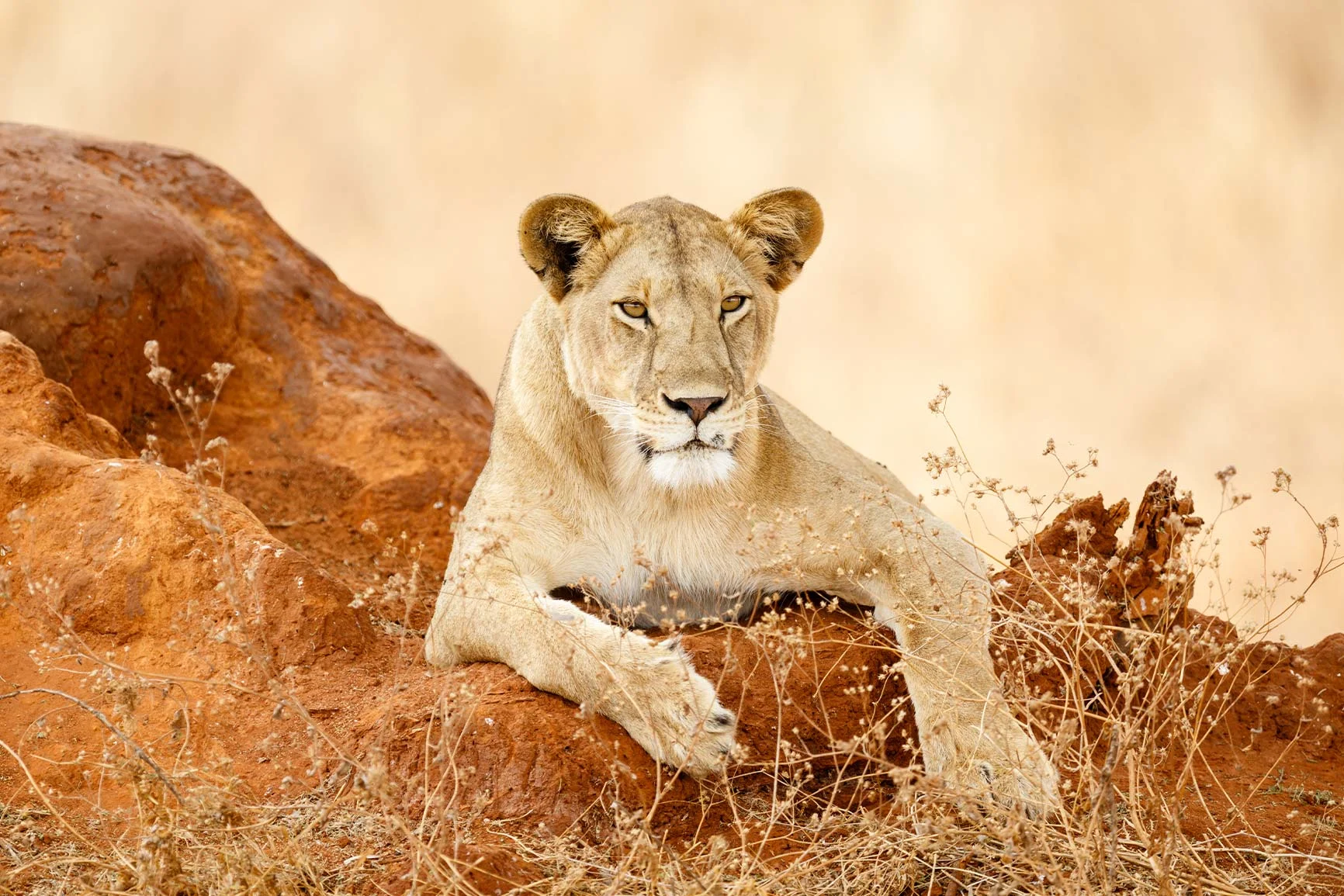
Example: A large-format print of a majestic lion in the Serengeti, printed on acrylic glass, is sure to catch everyone’s eye in any room.
8. Inspiration from successful wildlife photographers
8.1. Learning from the Best
Let yourself be inspired by the works of renowned wildlife photographers. Photographers such as Frans Lanting, David Yarrow, and Cristina Mittermeier have created impressive images over decades that capture the beauty and fragility of the animal world.
Tip: Study their work to understand how they use light, composition, and perspective to perfectly showcase their subjects.
8.2. Continuously Improving Your Skills
The path to the perfect wildlife photo is a continuous learning process. Practice regularly, attend photography workshops, or exchange ideas in photography forums to improve your skills.
Aspiring wildlife photographers often join a local photography group, where they organize group photo excursions or discuss their latest work. You can also gather tips on the local habitats of specific wildlife here.
9. Practical Applications of Wildlife Photography
9.1. Animal portraits for the living room
Wildlife photography isn't just for nature magazines or Coffee Table Books. Impressive, homemade animal portraits can also be real eye-catchers in your own home.
Example: A large-format black-and-white photo of an elephant brings elegance and wildness to any room and looks particularly stylish when paired with minimalist decor.
9.2. Wall Art as Gifts
You can also use wildlife photos to create extraordinary and personal gifts. A high-quality print on canvas or aluminum Dibond makes a unique gift for animal lovers and nature enthusiasts.
Conclusion: Wildlife photography—the perfect blend of nature and art
Wildlife photography is more than just capturing animals in their natural habitat—it is a tribute to the beauty and diversity of our natural world. With the right techniques, patience, and respect for the animals, images are created that tell stories and evoke emotions. Take advantage of the opportunity to immortalize your best shots in high quality at WhiteWall, and create works of art that will continue to fascinate for years to come.
Learn more about the author
Jan-Ole Schmidt (better known simply as Ole) is from northern Germany and has been with WhiteWall for many years. As a team leader in product management, he brings extensive experience in the photography industry. He taught himself photography and has built up in-depth expertise in image production, papers, laminations, and framing.
His strength lies in the combination of technical expertise and customer perspective - from file upload to framing in the WhiteWall configurator. Ole has held workshops, been a guest on podcasts and is in close contact with the photography community. He lives, works and photographs in Cologne.

WhiteWall Product Recommendations


We’re Happy To Help
Stores Need assistance?Our team will help you select the perfect products!Discover Now
Customer Service Feel free to call us at +1 646 513 44 22 or send us an email at info@whitewall.com.Digital appointment
Gift Certificates The Right Photo GiftDiscover Now
