
Exclusive Edition by Jasmina Cibic x Deichtorhallen Hamburg
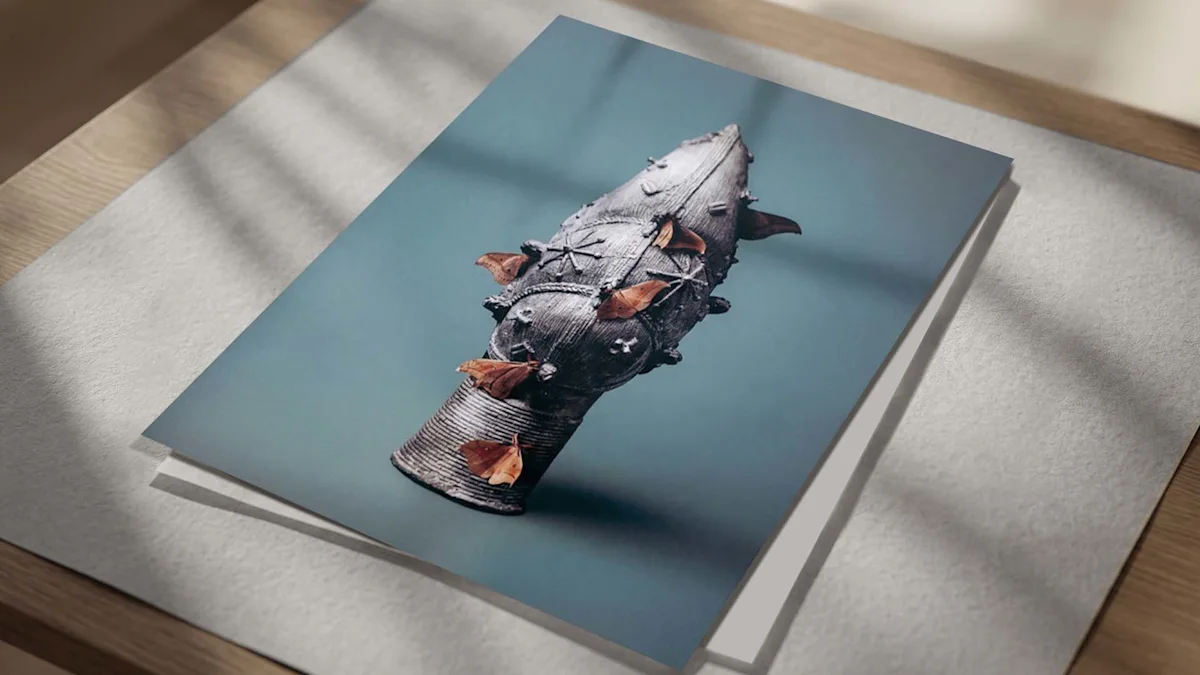
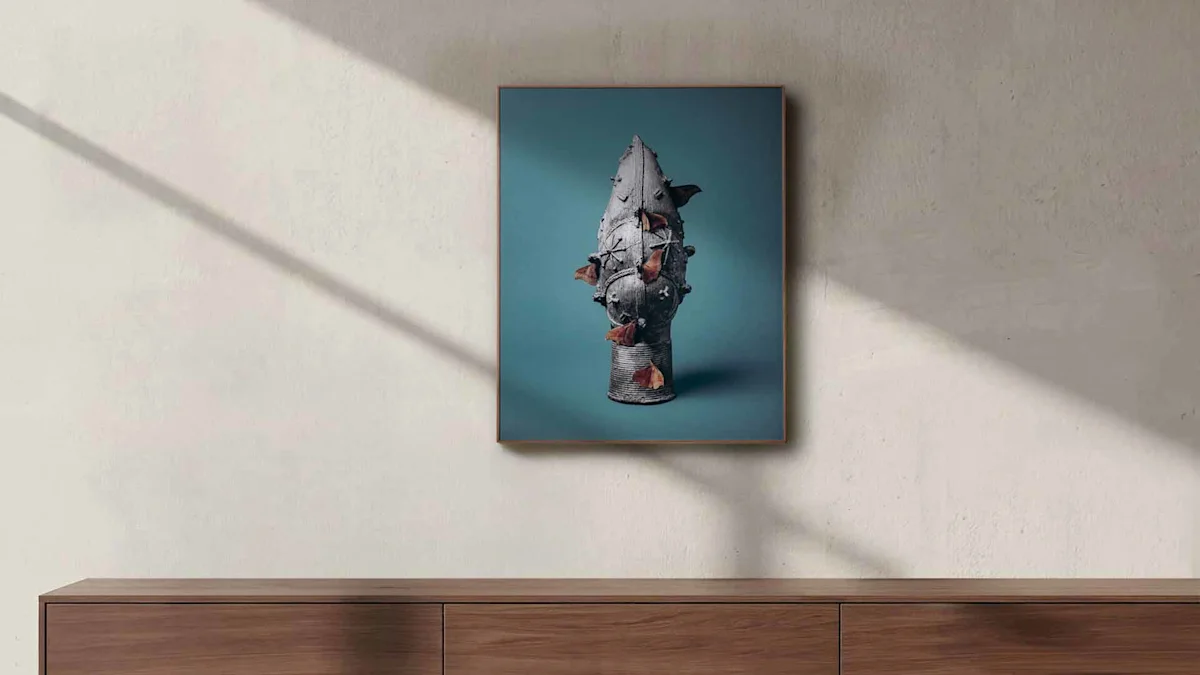
Jasmina Cibic’s series The Gallery of Non-Aligned (2023) explores art as a diplomatic instrument. Her portraits of female sculptures from the Non-Aligned Movement’s collection serve as allegories of self-determination and solidarity. Set against saturated fields of color, Cibic utilizes the motif of the moth—drawing on the Vanitas tradition—to address the fragility of political dreams and the risk of consigning past visions of freedom to oblivion.
As part of the collaboration, WhiteWall regularly produces a significant number of works for the exhibitions at Deichtorhallen Hamburg venues including Halle für aktuelle Kunst, Falckenberg Collection, and PHOXXI. In addition, a limited edition has been created for the Triennial, allowing the festival experience to extent into private spaces.
Jasmina Cibic | „The Gallery of the Non-Aligned“
Limited Edition
Hand-signed and numbered
Handcrafted
34 x 42,5 cm
Edition Jasmina Cibic × Deichtorhallen Hamburg

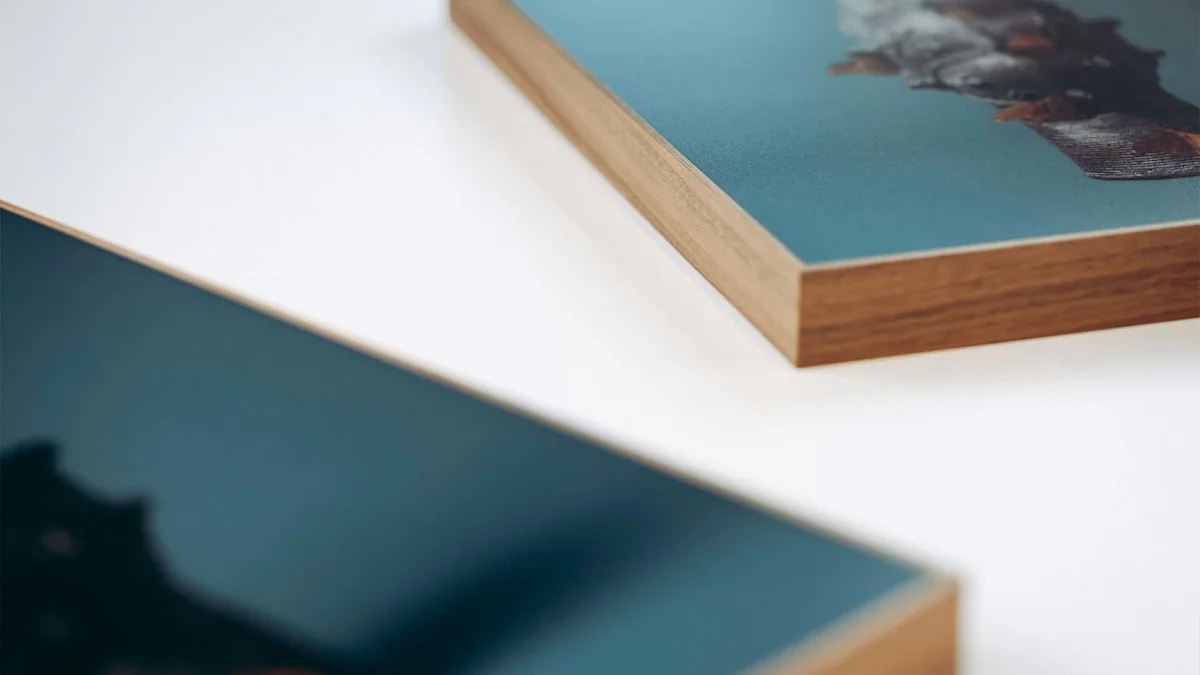
In the Wooden ArtBox
Motif: 34 x 42,5 cm | Print 2026
Print: Fine Art pigment print under matte acrylic glass
Framing: Wooden ArtBox walnut | 34.8 x 43.3 cm
Edition: Limited edition of 100 + 2 AP + SHC | signed | numbered
Price: 350,- £

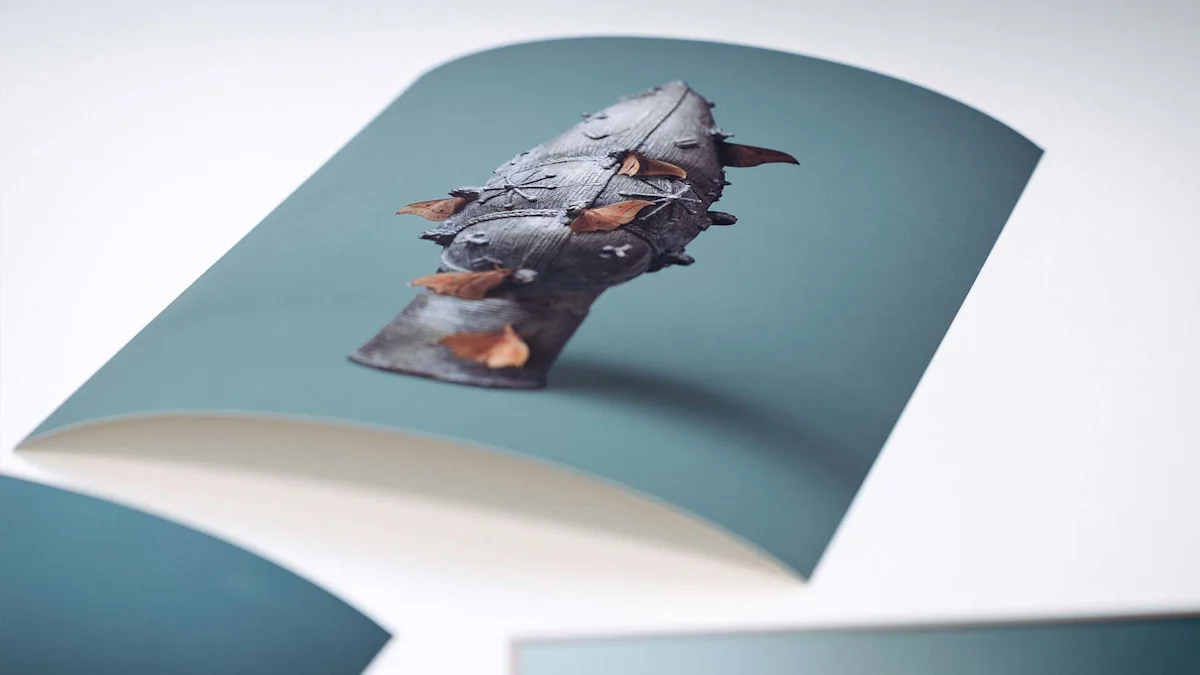
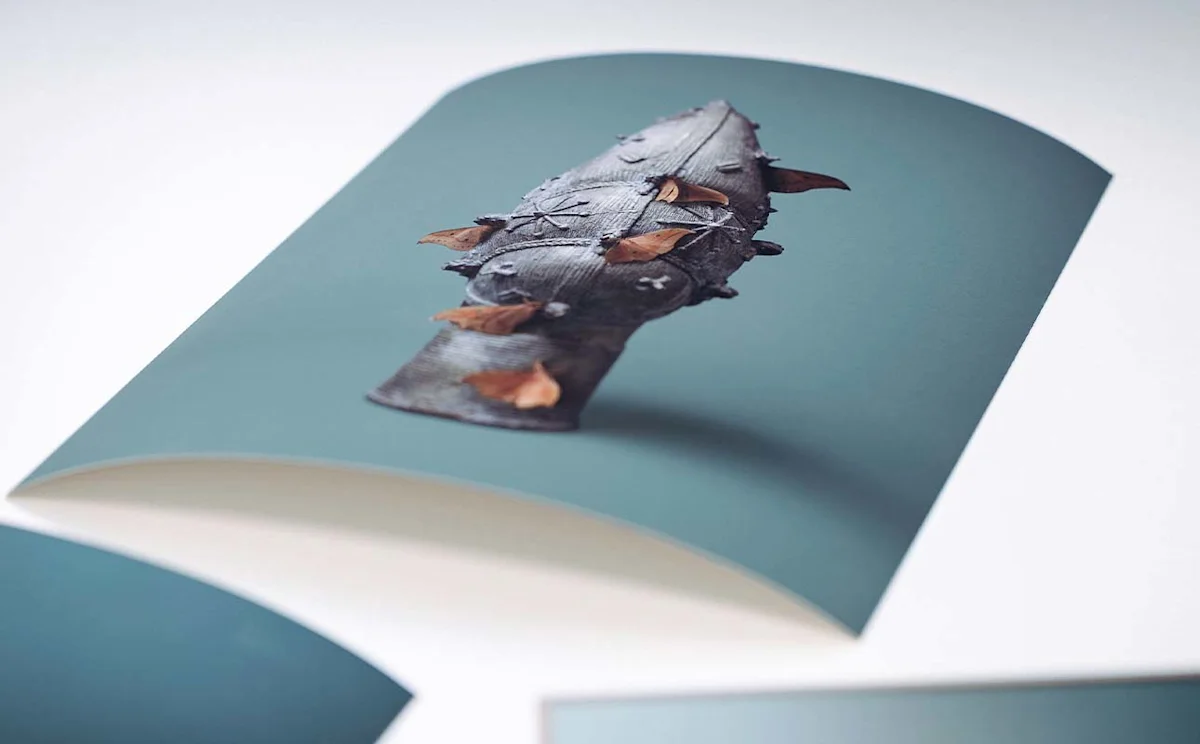
As a Fine Art Print
Motif: 34 x 42.5 cm | Print 2026
Print: Fine Art pigment print | Hahnemühle Photo Rag | 308 gsm
Edition: Limited edition of 100 + 2 AP + SHC | signed | numbered
Price: 250,- £
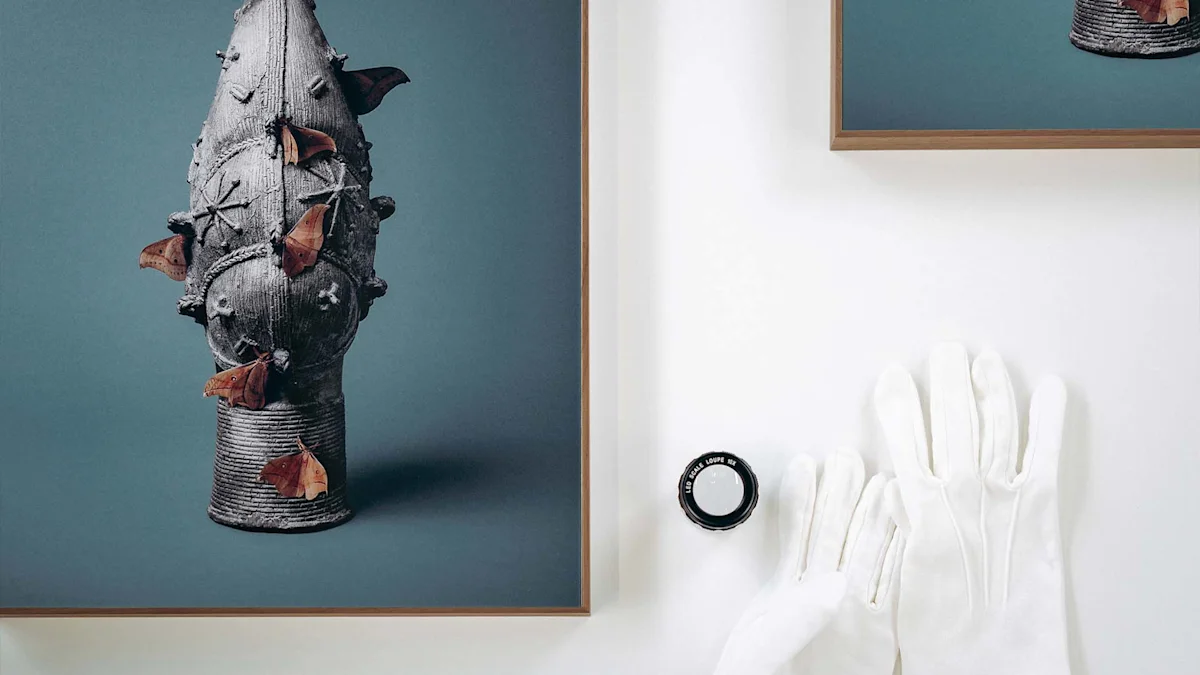

A closer look at the edition
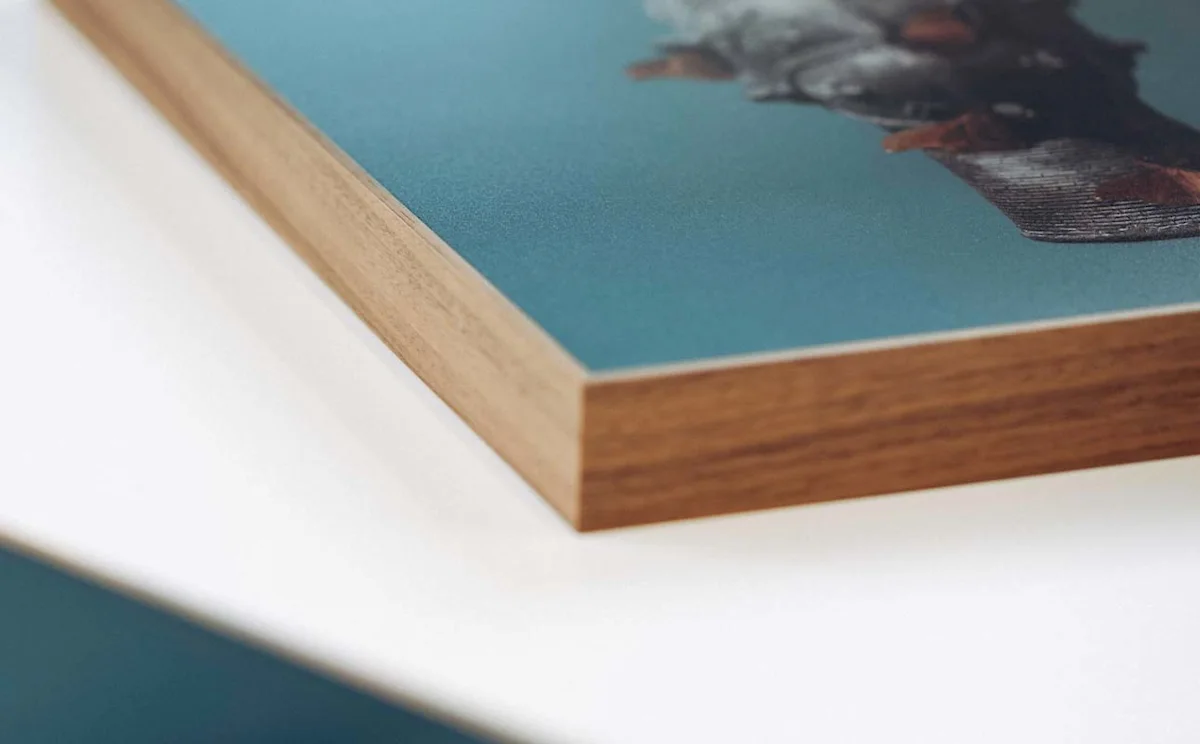
Fine Art pigment print
under matte acrylic glas
The Fine Art Print
About Jasmina Cibic
Jasmina Cibic is a filmmaker and artist whose work explores how art and culture are used as instruments of political power during periods of social and ideological transformation. She represented Slovenia at the 55th Venice Biennale. Her work has recently been exhibited at institutions including MoMA New York, Museum der Moderne Salzburg, macLYON, the BALTIC Centre for Contemporary Art, and the High Line in New York. In 2025, she was featured in Vitamin V: Video and the Moving Image in Contemporary Art (Phaidon).
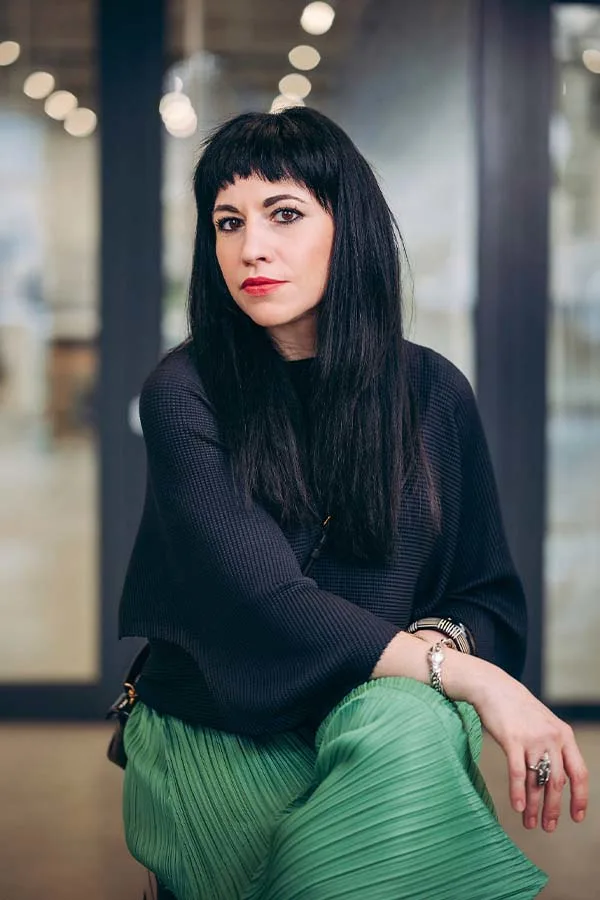
In Conversation: Jasmina Cibic on Power, Architecture, and the Power of the Image
With her photographic series The Gallery of Non-Aligned (2023), artist and filmmaker Jasmina Cibic draws on sculptures from the Collection of the Non-Aligned Countries — the only official repository of artworks gifted by heads of state, artists, and cultural workers associated with the Non-Aligned Movement. Conceived as a diplomatic and cultural project of transnational solidarity, anti-colonial emancipation, and alternative modernisation, the movement proposed new models of international alliance beyond Cold War power blocs — resonating closely with the theme of “Alliance” at the 9th Hamburg Triennial of Photography.
The series focuses exclusively on female sculptural forms — torsos, busts, and heads — that appear as allegorical figures of emerging mother nations and political futures. Set against saturated colour-field backgrounds recalling flags, diplomatic staging, and national iconography, the sculptures oscillate between monumentality and fragility. Traces of moth infestation introduce subtle signs of erosion and decay, evoking the visual language of vanitas painting and foregrounding the vulnerability of the ideals these works once embodied. The works ultimately serve as reminders of what is lost when visions of solidarity, emancipation, and alternative visions of world-building are allowed to disappear from collective memory.
Jasmina, we’re delighted to meet you in person today. To begin, could you briefly introduce yourself?
I am an artist working across film, photography, installation, and performance. For many years, my work has explored how art, architecture, and other forms of culture have been used—both historically and today—to stage and communicate national and political power, often in ways that remain unseen.
At its core, this is a storytelling practice—one that turns to the overlooked corners of history to bring forward fragments of other possible worlds urgently needed in the present moment.
As an artist, you are deeply familiar with film and performance. How does it feel when a moment from your work is captured and presented as a piece on a wall?
I don’t see my photographs as isolated images. They are part of a larger sequence—fragments of an ongoing narrative that runs through my work, a search for forms of resilience and hope across history. I often use photography to capture fleeting situations—set-ups I create in collaboration with archives, museums, or spaces of high security and control. In this way, the works become both extensions of these performative acts and documents of exchanges with the institutions and people involved.
I’m also interested in how the images live on their own, once the moment that produced them has passed. The processes behind their making often involve layers of permissions and negotiations, which become part of the work itself. There’s a certain playfulness in this—the images are aware of their own role, functioning as records of encounters with structures of power. I’m interested in how art can still inhabit even the most rigid spaces of power and hold court.
At their core, they are conversation pieces—inviting viewers to reflect on inherited forms of worldbuilding, and on the need for us to reclaim the dreams we can call our own.
Is there a particular place or building in the world you would most like to explore in a future project?
I am drawn to architectures that function as stages for power—parliaments, diplomatic buildings, and transnational institutions. These are spaces where ideology is performed and made visible, operating simultaneously as both the choreographers and the cinematographers of power.
I am currently developing a long-term project that will unfold across a number of national assemblies—a project that feels particularly urgent in the current state of the world.
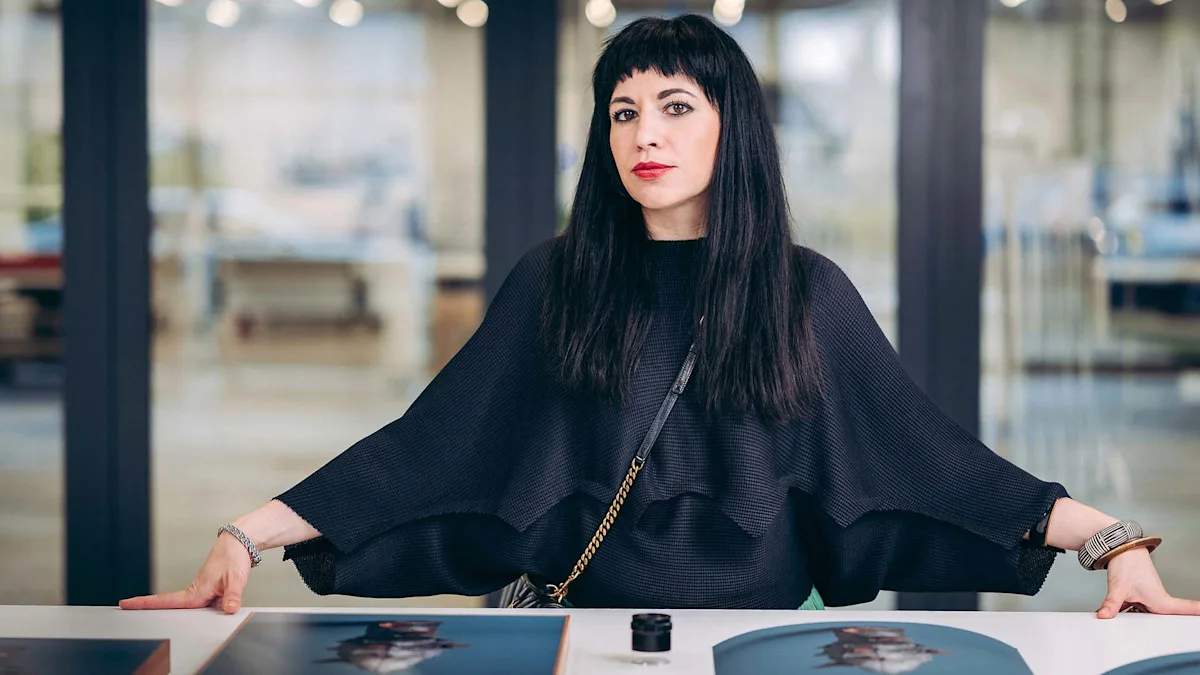
You’ve just toured our production facilities. Was there a moment or detail that particularly surprised you?
What struck me most was a sense of optimism. At a time when many photographic labs are closing and the medium is often described as declining, it’s incredibly encouraging to see a place like this—so alive, collaborative, and precise.
How does it feel to see your work take physical form in the lab?
There’s something very special about seeing your work materialise through a process that involves such care and expertise. It reminds me that photography is not just an image, but an ecosystem—of makers, technicians, and audiences. What you have here feels like a collective commitment to keeping that ecosystem alive and evolving.
WhiteWall in three words?
A very precise wonderland.