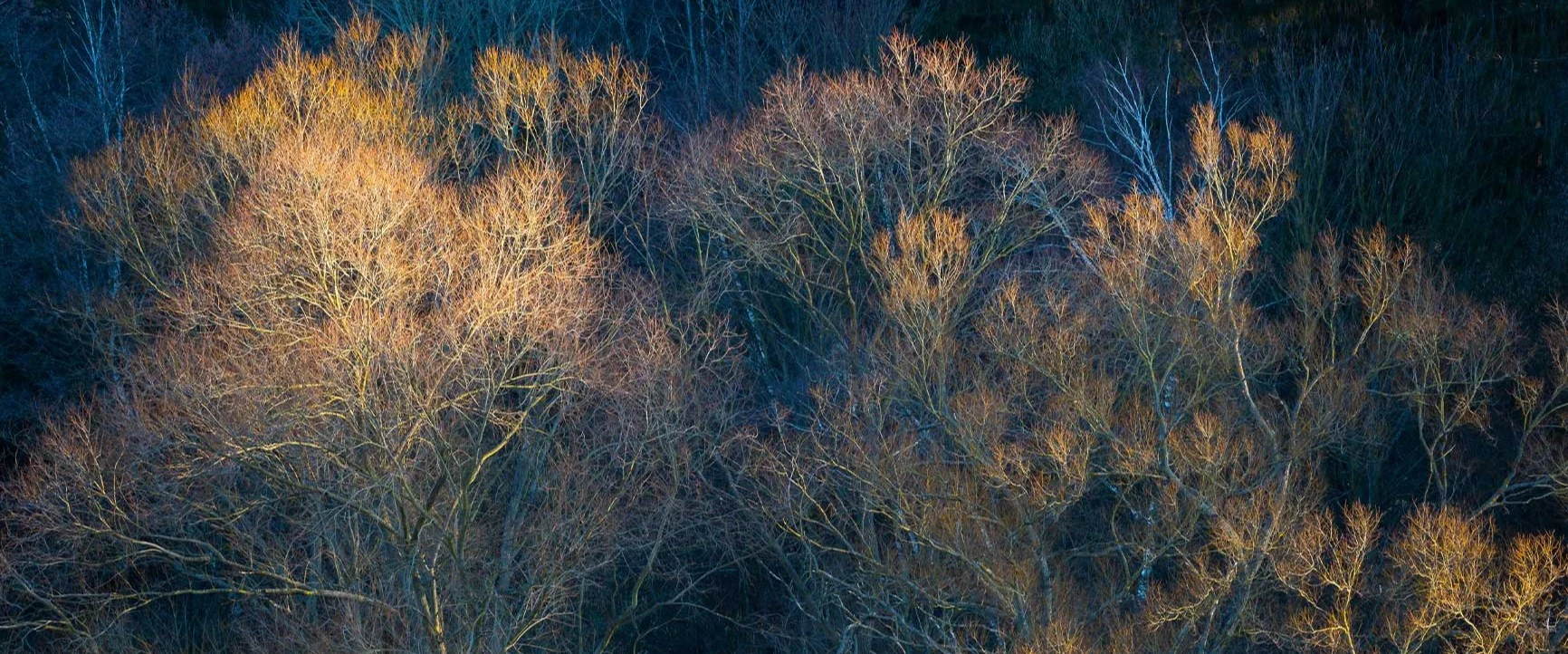
Fine Art Photography
By WhiteWall expert Jan-Ole Schmidt
Fine Art photography is far more than the mere depiction of a subject—it is a form of artistic expression that conveys the photographer’s individual vision. It is not about pure documentation, but rather the deliberate creation of an image that conveys a specific mood or message. Fine Art photographers make targeted use of composition, light, colors, and symbolism to create emotional or aesthetic experiences.
Unlike commercial or documentary photography, Fine Art photography is not bound by external requirements but stems from a personal, often conceptual idea. It can be found in nearly every photographic genre—whether in landscape photography, portrait art, architectural photography, or still life. What matters most is the intentional design of the image with artistic merit.
This article explores the aesthetic principles and conceptual approaches that define Fine Art photography, the genres it encompasses, and how photographers can present their work with style. We also showcase high-quality WhiteWall products for Fine Art Prints, which enable the creation of gallery-quality art photographs.
1. Aesthetic Principles of Fine Art Photography
Fine Art photography is characterized by a deliberate creative approach. Every detail—from composition to color scheme—is purposefully employed to convey a specific atmosphere or message. These aesthetic principles help photographers clearly express their artistic vision and transform ordinary subjects into striking works of art.
1.1 Composition and Framing
Image composition plays a central role in Fine Art photography. While documentary photography often results in spontaneous compositions, in Fine Art photography every element is deliberately placed.
Key aspects of composition:
The golden ratio and rule of thirds for harmonious proportions
Negative space (empty areas) to enhance the impact of the main subject
Symmetry or deliberate asymmetry for an extraordinary visual impact
Lines and shapes that guide the viewer’s gaze
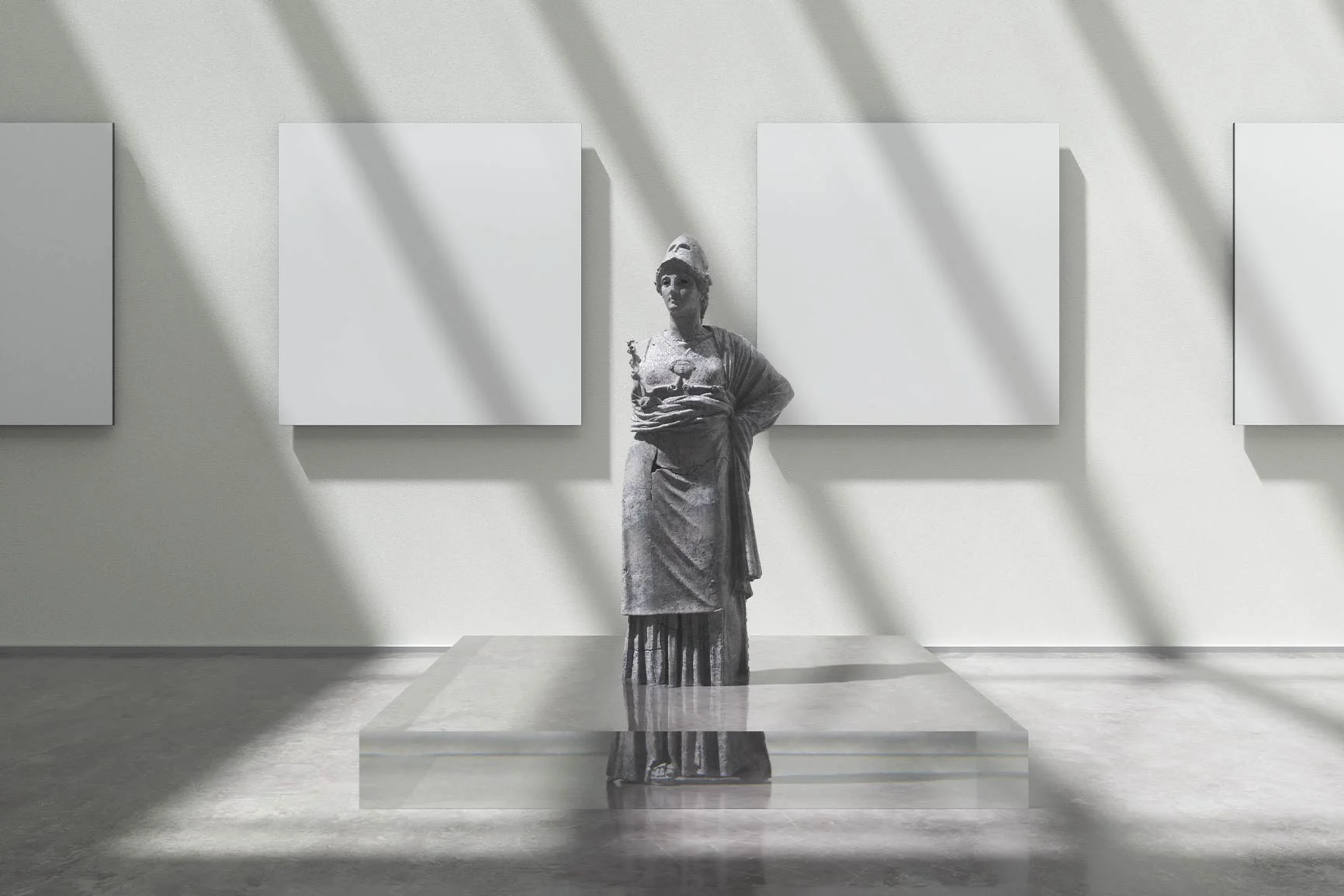
A classic example is minimalist architectural photography, in which lines and structures are deliberately staged to create geometric harmony.
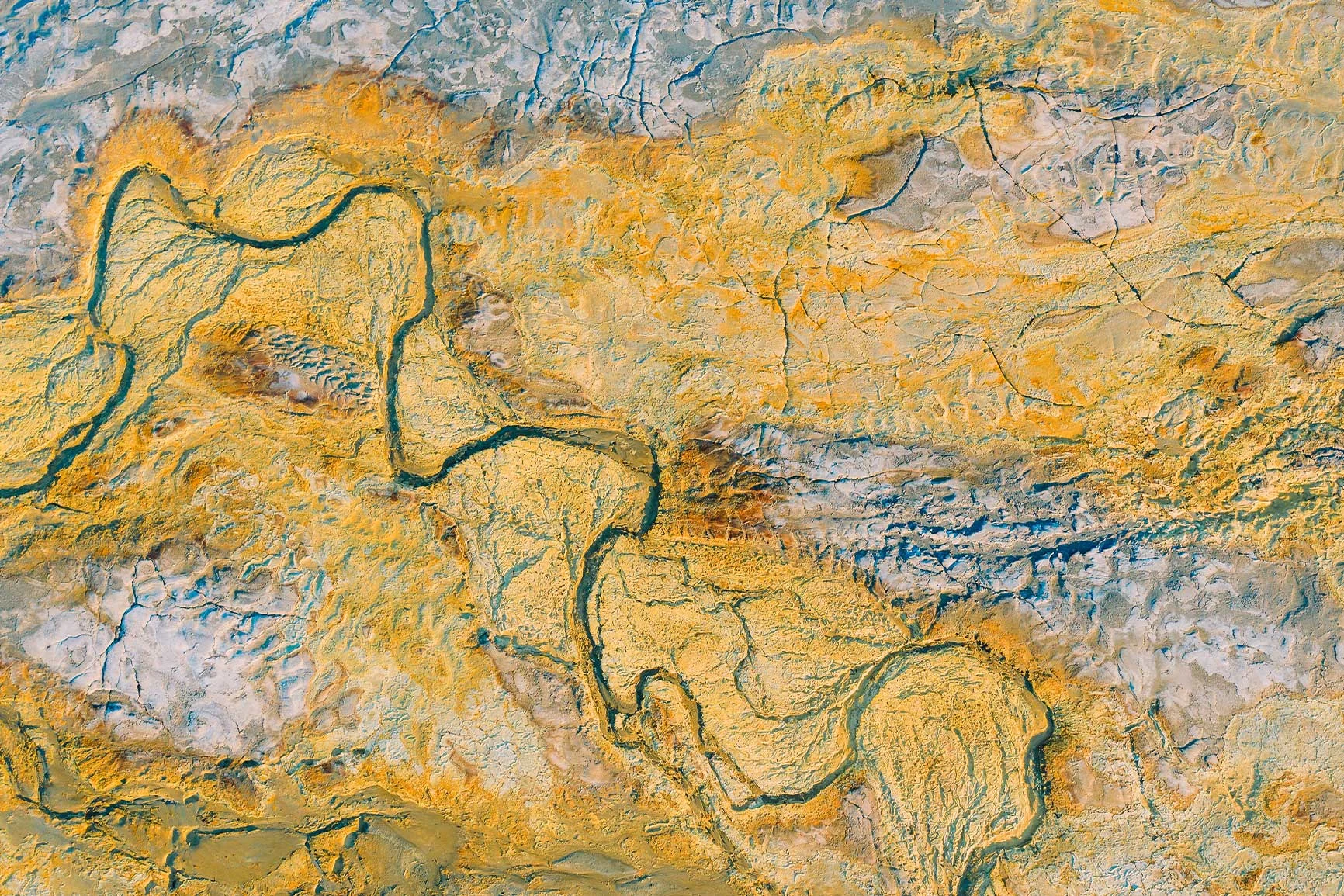
1.2 Light and Shadow
Light is one of the most powerful tools in Fine Art photography. Depending on the lighting, an image can appear soft and dreamlike or harsh and dramatic.
Types of lighting in Fine Art photography:
Soft, diffused light for dreamy, romantic scenes
Harsh light sources and strong shadows for dramatic effects
Low-key or high-key techniques for precise control of contrast
Backlighting and silhouettes for a mystical, abstract effect
The interplay of light and shadow is particularly striking in black-and-white photography.
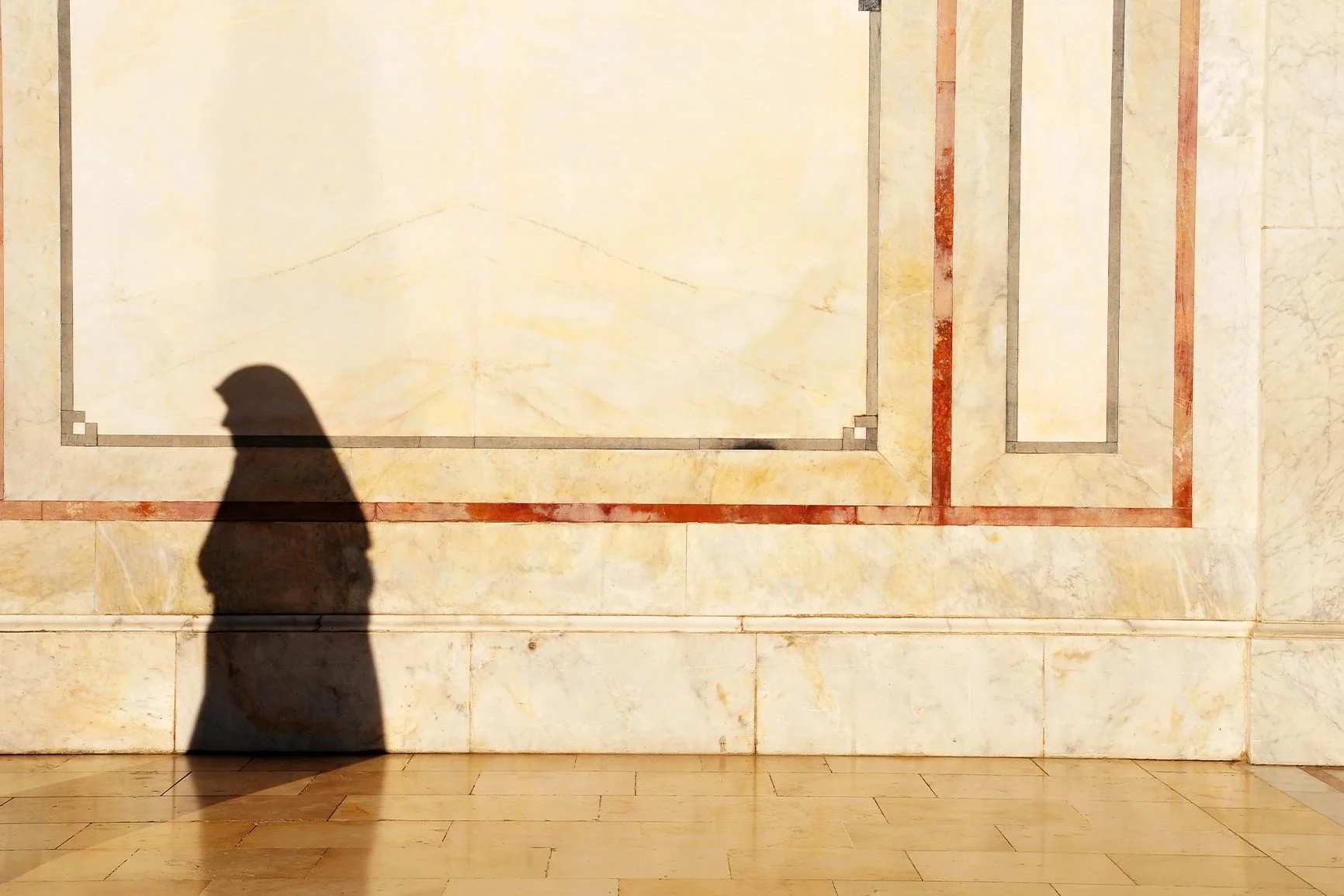
1.3 Color Scheme and Tonality
Colors have a significant influence on the emotional impact of an image. In Fine Art photography, color is deliberately chosen to create a specific mood.
Color strategies in Fine Art photography:
Monochrome images for a timeless, minimalist aesthetic
Color harmonies (e.g., complementary colors) for a balanced visual effect
Targeted color grading to enhance the atmosphere
Limiting the palette to a single hue for abstract or minimalist works
A typical example is Fine Art landscape photography, in which cool blue tones have a calming effect, while warm sunsets create emotional depth.
1.4 Texture and Detail
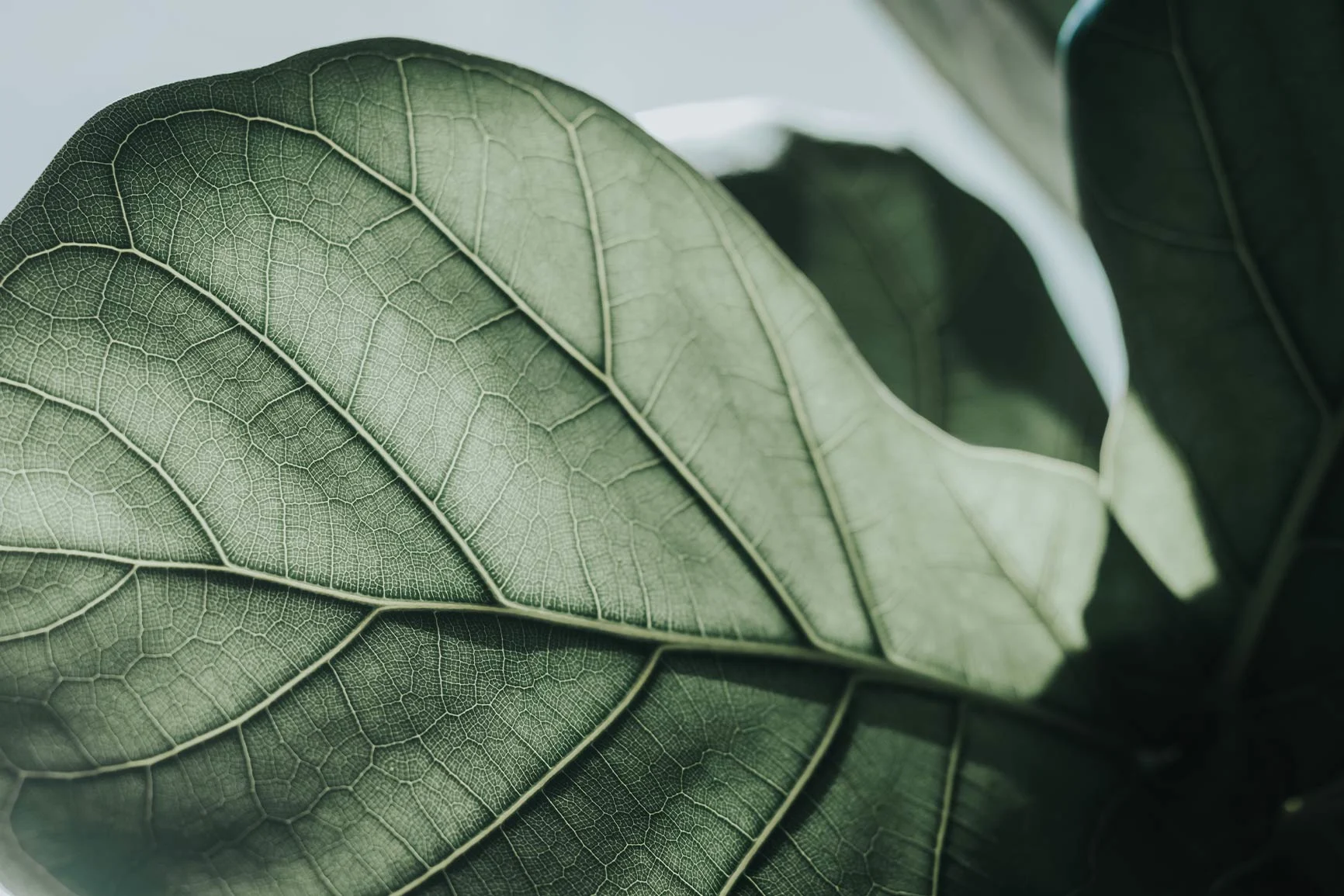
In many Fine Art works, the tactile quality of an image plays a major role. By focusing specifically on textures and structures, an intense, almost tangible aesthetic is created.
Examples of emphasizing texture:
Macro photography of natural structures (tree bark, sand, rocks)
Skin textures in portrait photography for a realistic or stylized effect
Old, weathered surfaces in still life photography to evoke a nostalgic mood
Images that emphasize texture are particularly effective in large-format Fine Art prints.
Summary: The Most Important Aesthetic Principles of Fine Art Photography
Composition: Structured image design with deliberate use of lines
Light and Shadow: Dramatic or subtle lighting to set the mood
Colors and Tonality: Deliberate color choices to enhance emotional impact
Texture and Detail: Sharpness and Surface Textures for a Tangible Aesthetic
2. Conceptual Approaches in Fine Art Photography
Fine Art photography is not just a matter of aesthetics—it often follows a clear conceptual idea. Photographers deliberately use symbolism, narrative techniques, or reduction to convey a specific message. Every image is created intentionally and reflects a personal vision or interpretation of a subject.
2.1 Expression of Personal Visions
Fine Art photographers strive to create more than just an objective representation of a subject. Their works express an individual perspective and convey a specific mood or emotion.
Characteristics of a Strong Photographic Vision:
Recognizable signature style: A distinctive style that runs through all works
Personal choice of subject matter: A recurring motif or concept
Subjective interpretation of reality: Unique perspectives or post-processing techniques
An example of this is conceptual portrait photography, in which not only a person’s face but also their inner self is conveyed through light, colors, or image composition.
2.2 Symbolism and Metaphors
Many Fine Art works use symbolic elements to give the image a deeper meaning. Colors, objects, or lighting effects can be deliberately employed as metaphors.
Examples of symbolism in Fine Art photography:
Mirrors: Reflection, self-contemplation, or a distorted reality
Abandoned places: Transience, nostalgia, or loneliness
Fog or blurred elements: Mystery, dreams, or uncertainty
A well-known example is black-and-white photography with individual colored elements, used to draw attention to a specific symbol.
2.3 Narrative Structures: Telling Stories with Images
While traditional photography often functions as a single image, Fine Art photography frequently uses series or photo essays to tell a story.
Techniques for Narrative Image Composition:
Sequential image series: Multiple shots that together show a progression
Image pairs: Contrasts or comparisons within a series
Incomplete Stories: Images that leave room for interpretation
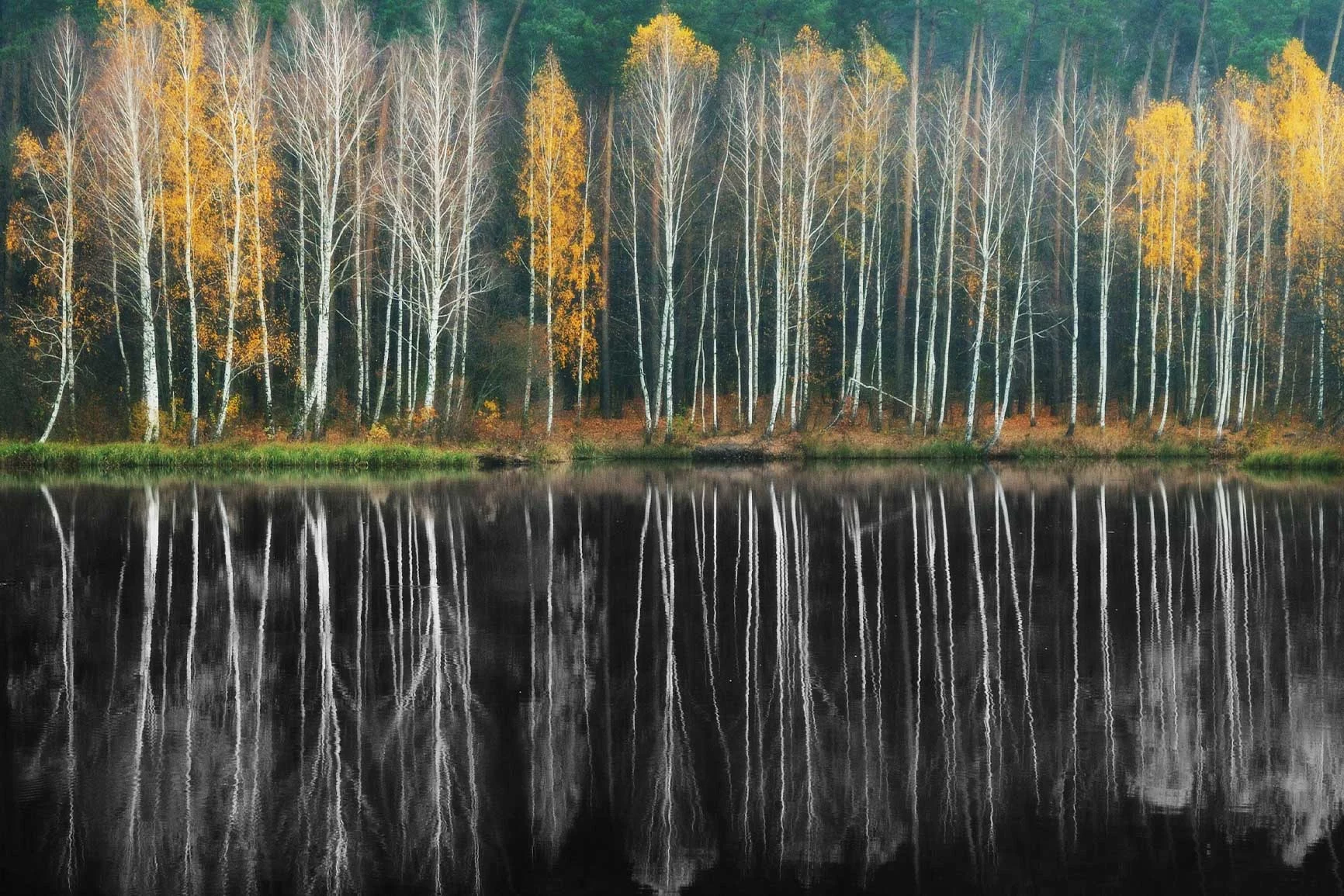
Example: A series of images that documents the transformation of a landscape over the course of the seasons but deliberately incorporates abstract elements to add a poetic dimension.
2.4 Abstraction and Minimalism
Not all Fine Art photography has to tell a clear story—often, reducing the image to its essentials is crucial to its artistic impact.
Minimalist Fine Art photography uses:
Few elements, but a strong impact
Empty spaces (negative space) to create tension
Repetitions or geometric patterns
Typical examples of this style include simple architectural photographs that focus on shapes and lines, or landscape images that radiate a meditative calm through their simplicity.
Summary: The Most Important Conceptual Approaches in Fine Art Photography
Personal vision: The photographer expresses his or her own perspective
Symbolism: Images convey a deeper meaning
Narrative Structures: Individual images or series tell stories
Minimalism & Abstraction: Reduction as an aesthetic device
3. Fine Art Photography Across Various Genres
Fine Art photography is not a separate category of photography, but rather a creative approach that can be found in nearly every genre. Whether landscape, portrait, architecture, or still life—there are photographers everywhere who use aesthetic and conceptual approaches to distinguish their work from mere documentation.
3.1 Landscape Photography: Nature as an Art Form
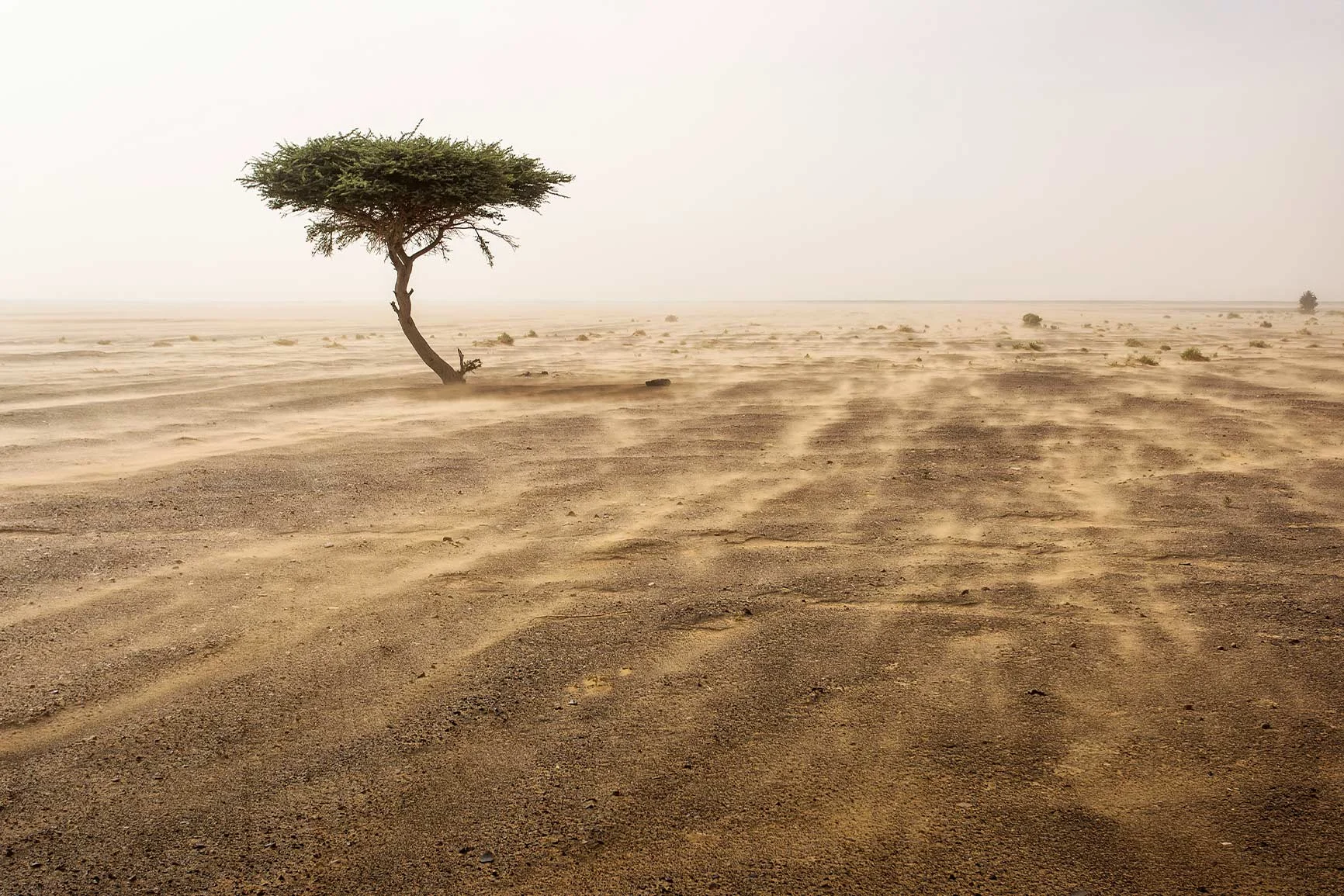
Landscape photography is a popular genre in Fine Art photography, as natural subjects offer ample scope for atmosphere, symbolism, and abstraction. Rather than simply depicting a landscape, Fine Art photographers use:
long exposures to transform water or clouds into soft textures
The dramatic effect of black-and-white to emphasize the mood of a landscape
Extreme perspectives and framing to create new visual experiences
Example: A mist-shrouded mountain landscape with subdued tones, symbolizing tranquility and solitude.
3.2 Portrait Photography: More Than Just a Face
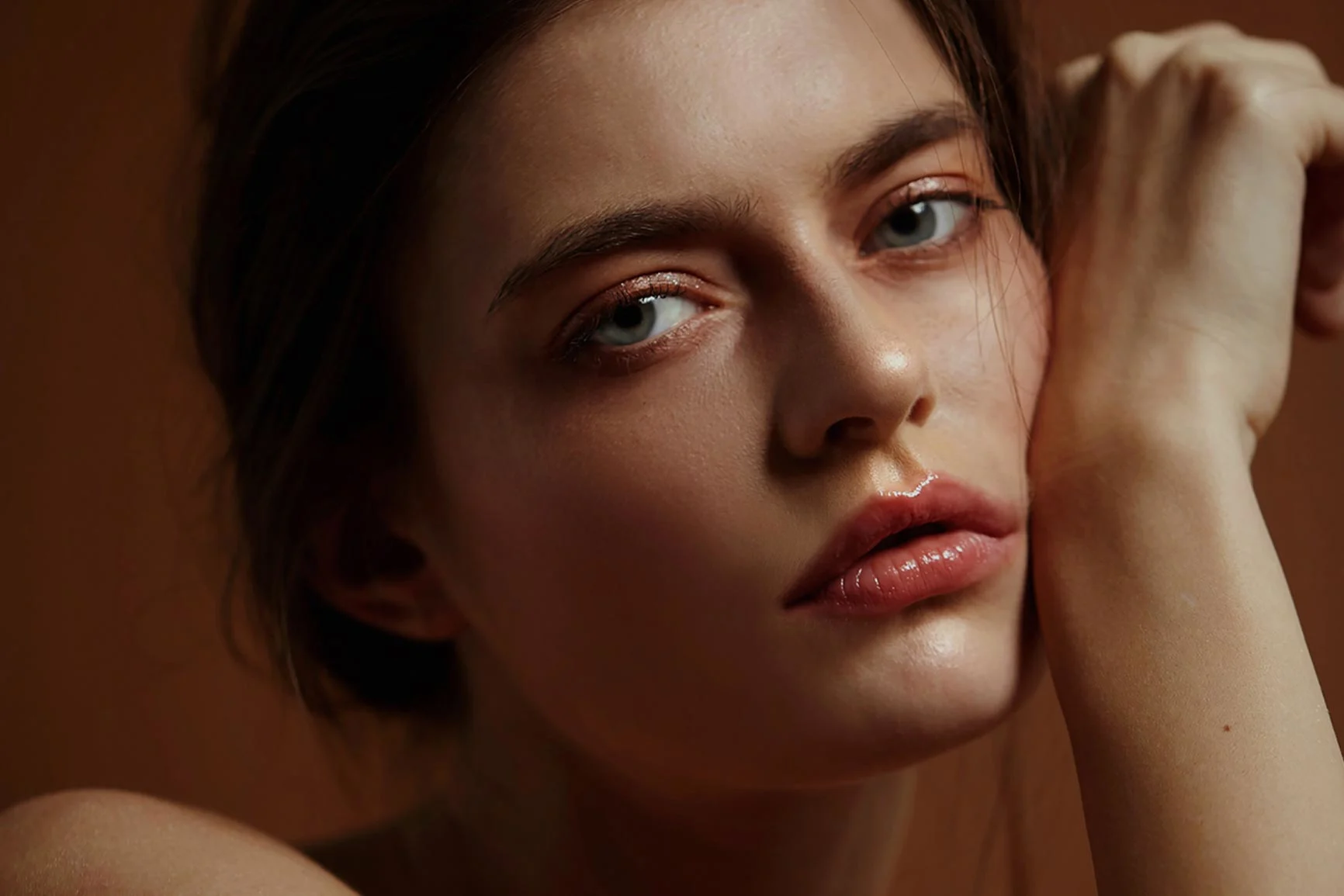
Fine Art portraits go beyond traditional portrait photography—they are often highly staged, emotionally charged, or symbolic.
Techniques in Fine Art portrait photography:
Playing with light and shadow to enhance character and emotion
Unusual props or outfits to artfully stage the image
Post-processing and color grading to create a surreal or nostalgic aesthetic
Example: A portrait with dramatic lighting, in which only part of the face is illuminated to create depth and mystery.
3.3 Architectural Photography: Geometry as Art
Architectural photography is ideally suited for Fine Art approaches, as buildings offer clear forms, lines, and structures. Fine art photographers often emphasize:
Extreme symmetry or deliberate asymmetry
Long exposures with a moving sky to make rigid architecture appear more lively
Minimalist depictions of facades and details
Example: A close-up of a modern high-rise with a muted color palette to emphasize the lines.
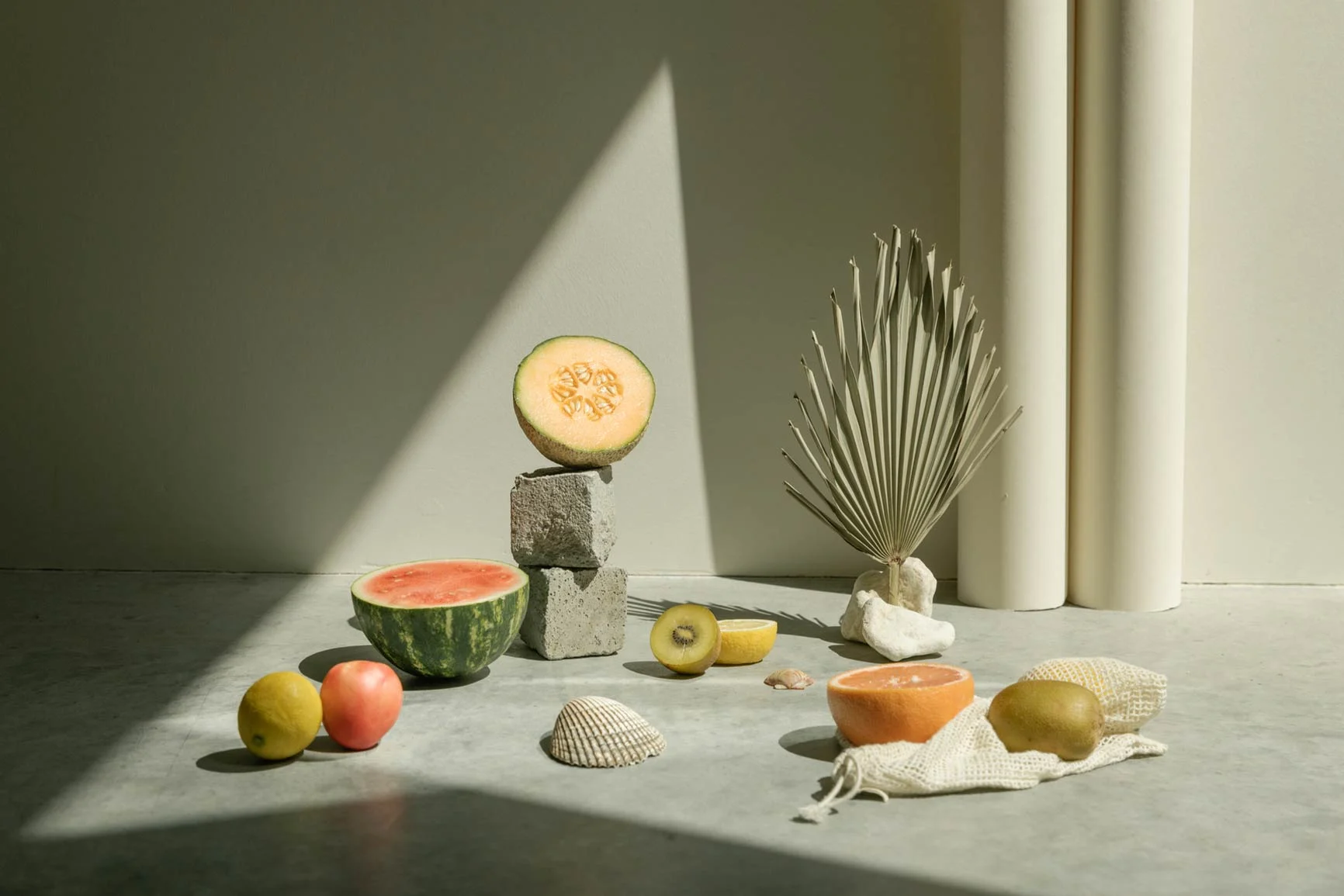
3.4 Still Life: The Art of Staging
Still lifes offer endless possibilities for Fine Art concepts, as the photographer can control every detail.
Creative Fine Art still lifes are created through:
Symbolic arrangements (e.g., fleeting flowers as a sign of the times)
Dramatic low-key lighting to mimic an Old Master painting
Experiments with unusual materials or textures
Example: An old, rusty knife on dark fabric, with lighting reminiscent of Baroque paintings.
3.5 Wildlife Photography: Artistic Animal Images
Wildlife photography is often associated with documentation, but in Fine Art photography, the focus is on staging animals as artistic subjects. Here, the focus is not only on the animal itself, but also on the composition, the lighting, and the emotional impact of the image.
Fine Art wildlife photographs are often created through:
A minimalist background and carefully directed lighting to isolate the animal from its surroundings
Dramatic black-and-white renderings that emphasize textures and contrasts
Detailed close-ups of fur, feathers, or eyes to artfully highlight textures
Long exposures or multiple exposures to capture movement and dynamism in an abstract form
Summary: Fine Art photography exists in every genre
Landscape: Atmospheric nature shots using long exposures or minimalism
Portrait: Expressive compositions using light, color, and symbolism
Architecture: Geometric compositions with strong lines
Still Life: Thoughtful arrangements with artistic merit
And these are just a few genres.
4. Practical Examples and Inspiration
Fine Art photography is a combination of technique, aesthetics, and an individual artistic vision. In addition to well-known photographers, modern trends and personal experiments also offer plenty of inspiration for developing your own Fine Art style.
4.1 Analysis of Well-Known Fine Art Photographs
A look at the works of great Fine Art photographers shows just how differently this style can be interpreted:
Michael Kenna (Landscape) – Minimalist black-and-white long-exposure photographs that captivate with their simplicity and tranquility.
Irving Penn (portrait and still life) – Famous for his purist, graphic compositions with clean lines and precise lighting.
Hélène Binet (Architecture) – Uses light and shadow to transform buildings into artistic forms and abstract compositions.
Brooke Shaden (Conceptual Photography) – Combines surrealist elements with staged portraits that resemble paintings.
Tip: Analyze the works of great photographers—what makes their images special? What techniques do they use? How do they employ light, composition, and symbolism?
4.2 Tips for Your Own Fine Art Practice
If you want to pursue Fine Art photography yourself, you should approach your images with intention.
Developing a Personal Style:
Experiment with different genres and techniques to discover which aesthetic suits you best.
Use color harmonies or contrasts strategically to enhance moods.
Planning and Staging:
Every Fine Art image should be based on a conceptual idea—sketch out a rough outline beforehand of what you want to express.
Consciously use props, backgrounds, or lighting to reinforce your message.
Post-processing as an artistic tool:
Many Fine Art photographers use color grading, selective blur, or textures to give their images a unique look.
Black-and-white can have a powerful emotional impact—try removing color to see if it makes your image more compelling.
Summary: Inspiration and Your Own Fine Art Projects
Analyze well-known photographers as role models
Develop your own style through experimentation
Plan your images carefully to achieve a strong visual statement
Use post-processing to further refine the image
5. Fine Art Prints: The Perfect Presentation with WhiteWall
Fine art photographs deserve a high-quality presentation that highlights their artistic impact. The right print and the appropriate material significantly influence how the image is perceived. WhiteWall offers a wide range of premium printing options specifically designed for Fine Art Prints.
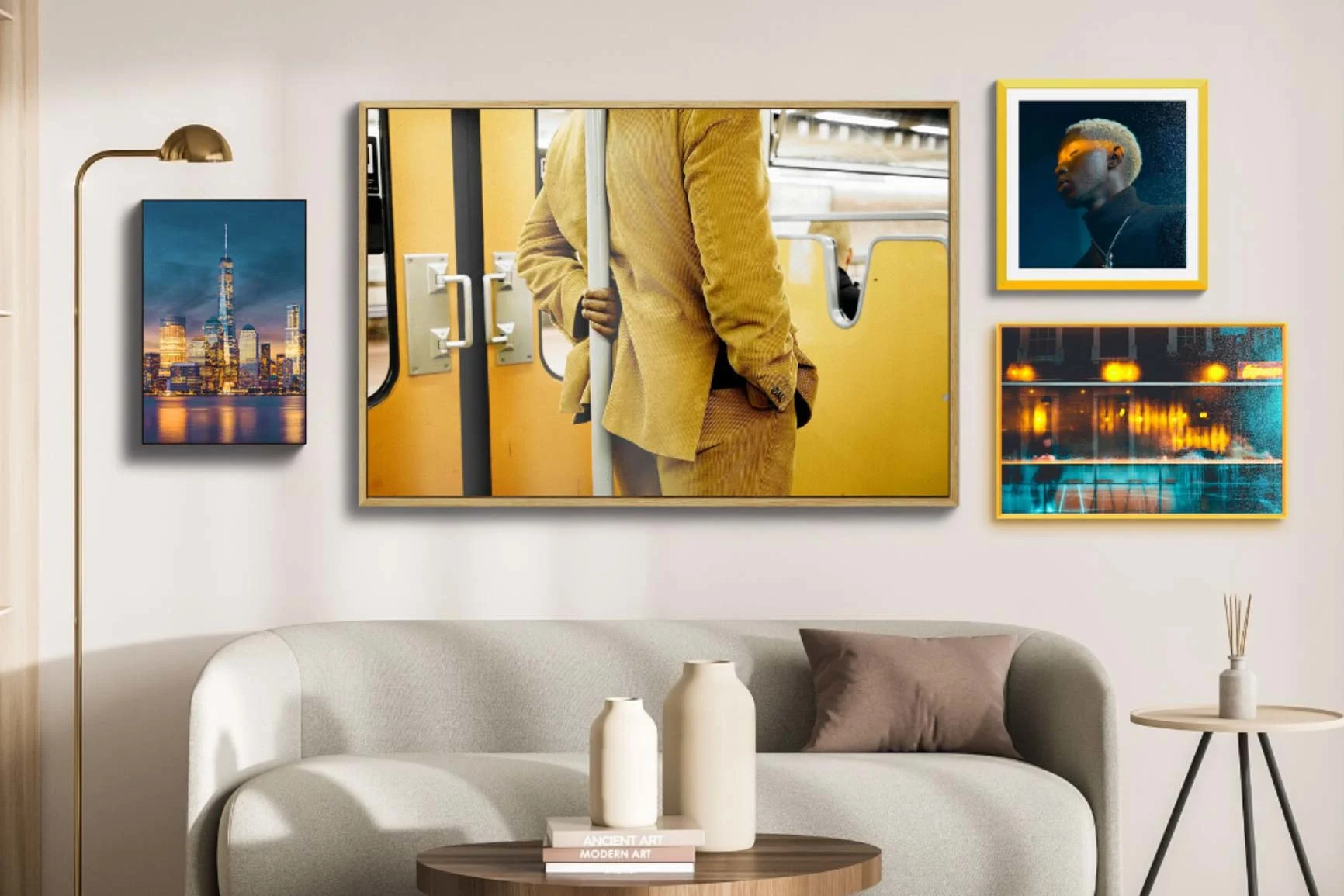
5.1 Fine Art Prints on Hahnemühle Paper – For Maximum Detail
Fine Art Prints on Hahnemühle paper are the top choice for photographers who value a luxurious feel and excellent tonal gradation. The high-quality cotton paper ensures impressive color depth and is exceptionally durable.
Perfect for:
Black-and-white photographs with strong contrasts
Detailed still lifes and architectural photography
Atmospheric landscape photographs
More information about Fine Art Prints
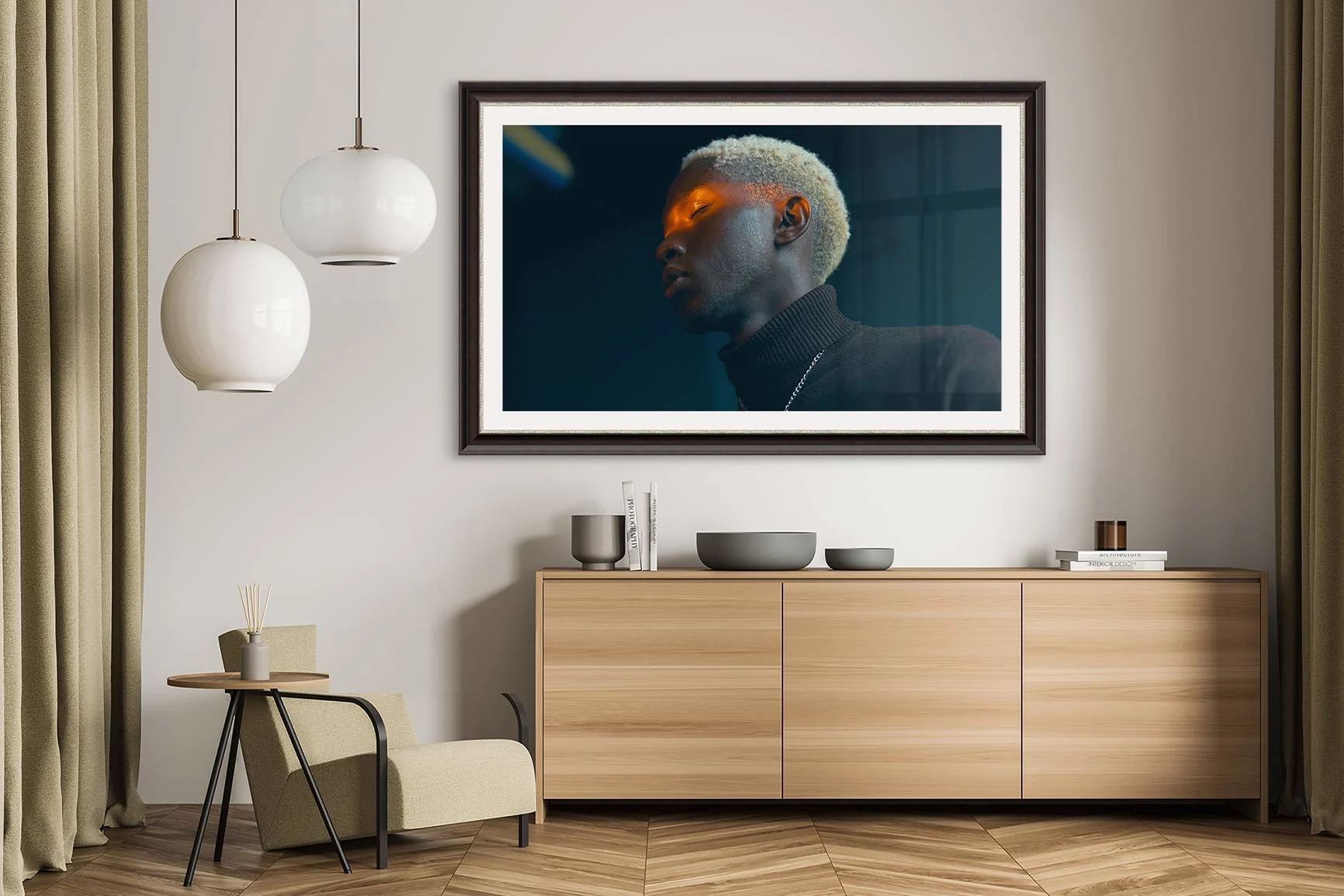
5.2 Gallery-Quality with Floater Frames – Classic Elegance
A Floater Frame showcases Fine Art photographs in a particularly stylish way. The subtle gap between the image and the frame gives the artwork a floating appearance, making it look especially elegant.
Ideal for:
High-quality portraits with artistic merit
Understated, minimalist Fine Art pieces
Black-and-white and color prints with a gallery-quality look
More information about photos in floater frames
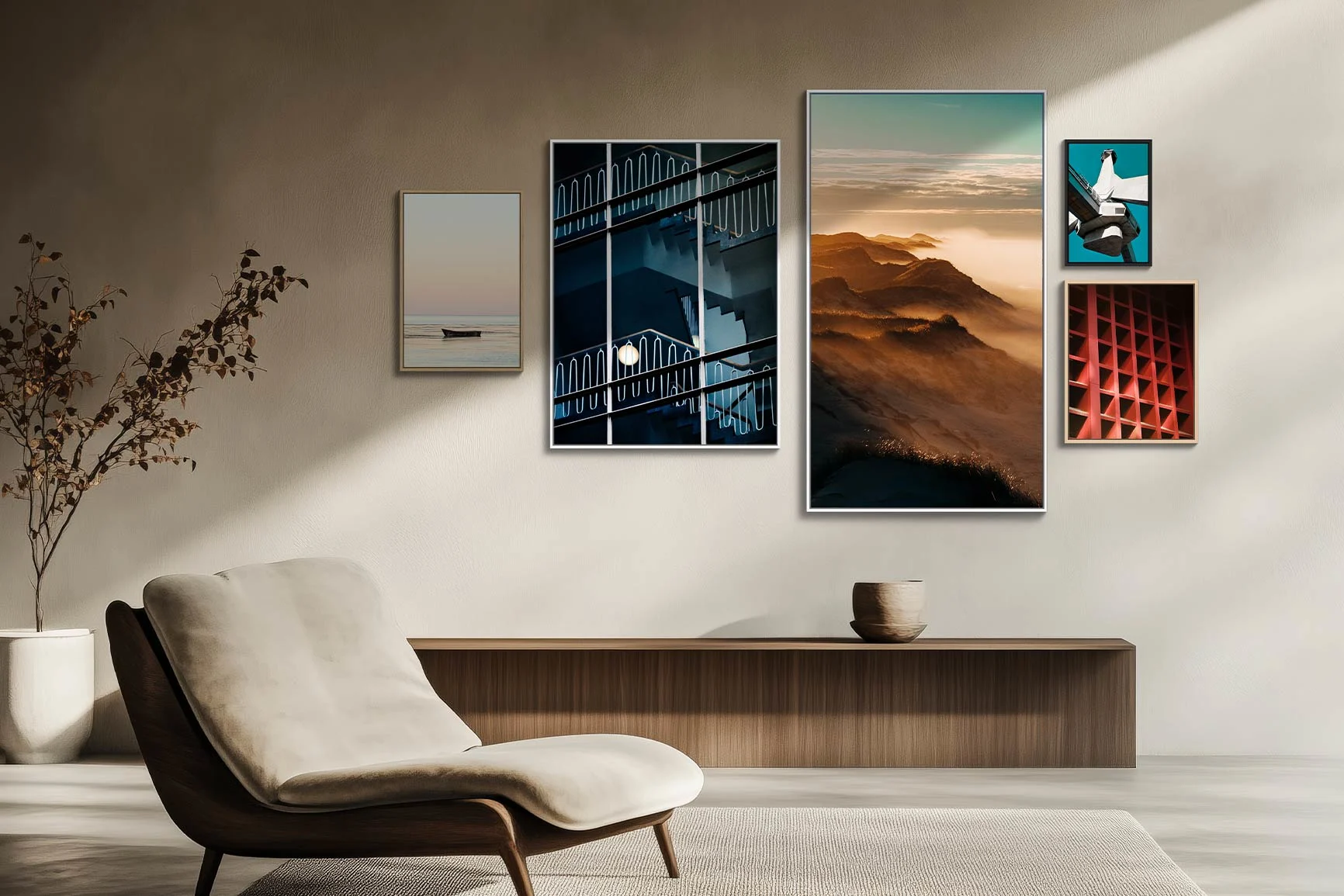
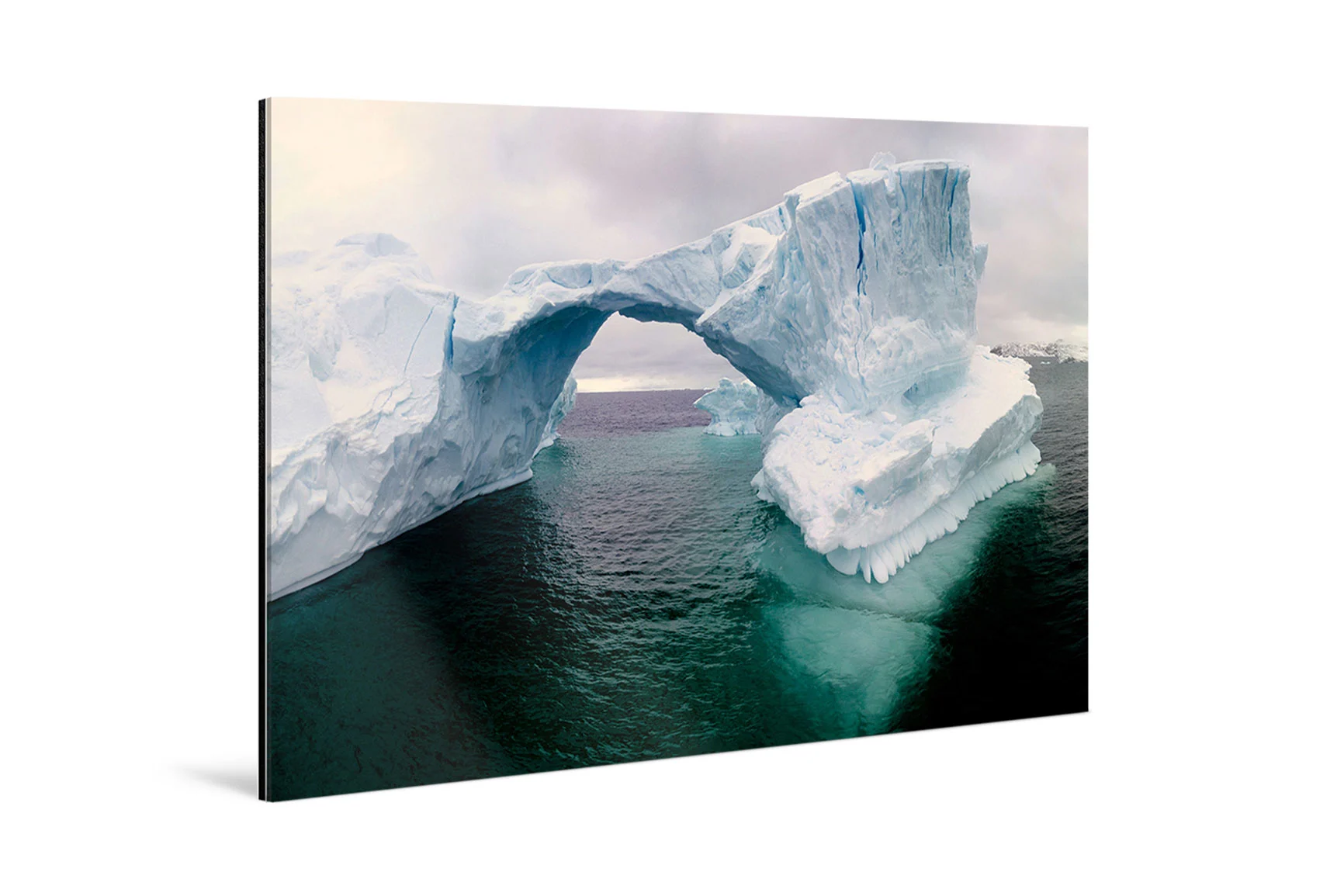
5.3 Fine Art pigment print behind Acrylic Glass – Maximum Sharpness and Color Depth
Fine Art pigment print behind acrylic glass combines precise pigment inks with the brilliance of acrylic glass. The multi-layered structure creates impressive depth with razor-sharp details.
Recommended for:
High-resolution Fine Art photographs with maximum color accuracy
Complex image compositions with fine details
Works that emphasize both contrast and depth
More information about Fine Art pigment prints behind acrylic glass
5.4 WhiteWall Design Edition by Studio Besau-Marguerre – Art Meets Design
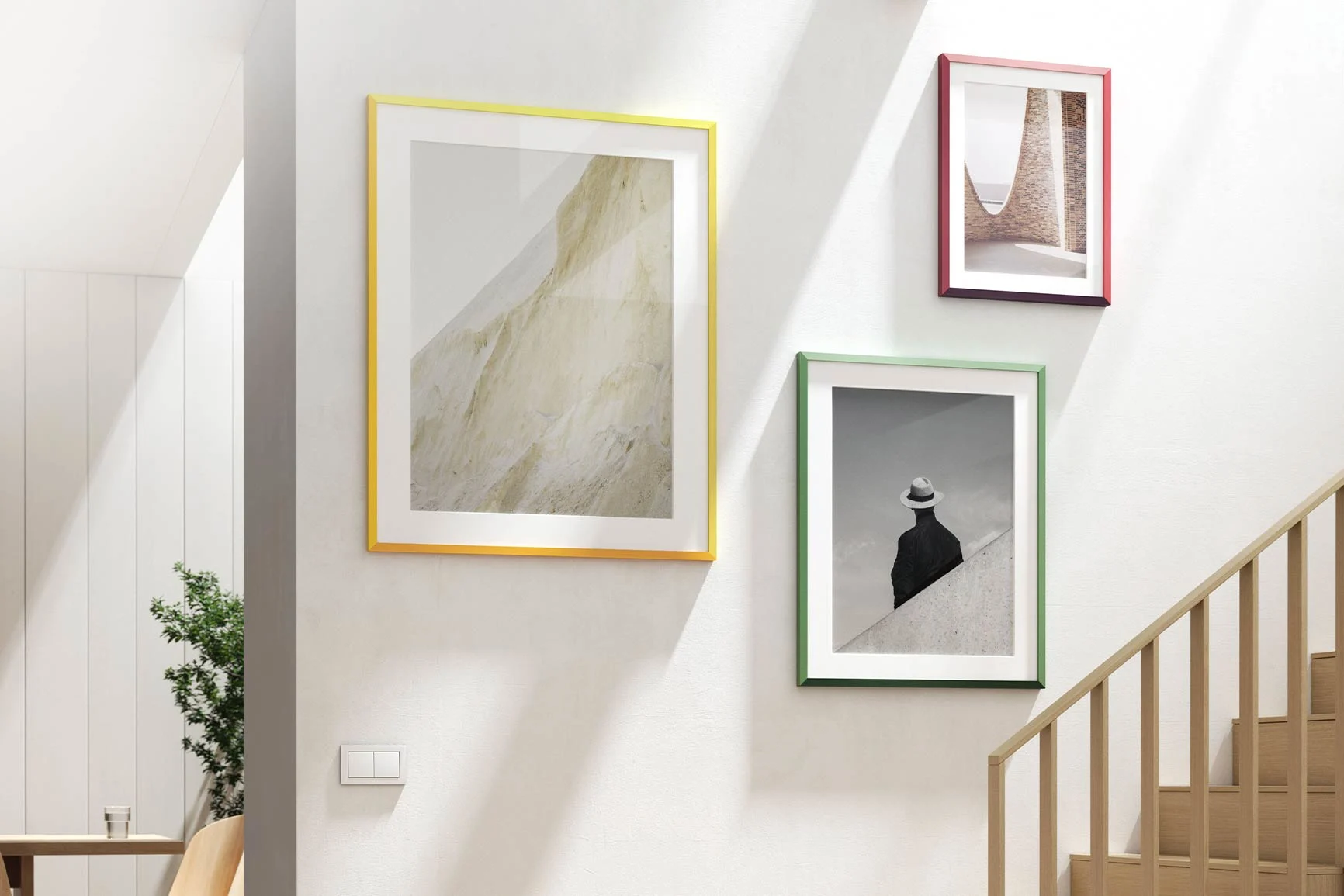
The WhiteWall Design Edition is an exclusive framing option developed in collaboration with the renowned Studio Besau-Marguerre. It combines high-quality craftsmanship with modern design and stylishly showcases Fine Art works.
Particularly suitable for:
Artistic, color-rich Fine Art pieces
Photographs with a modern, clean aesthetic
Collectibles intended to stand out from classic framing
More information about designer picture frames
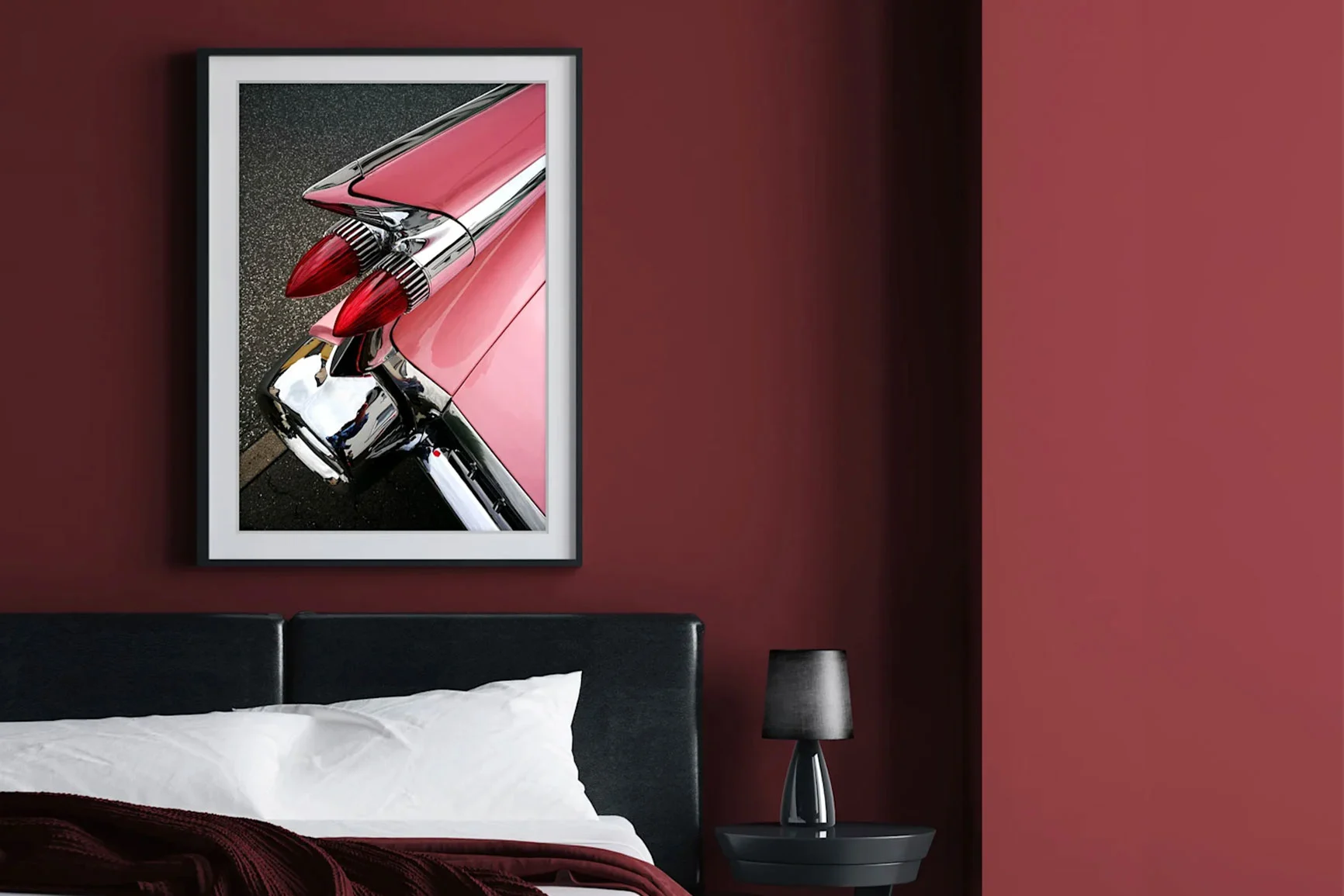
5.5 Photo Print on Fujiflex High-Gloss—Perfect for Shiny Details
The Photo Print on Fujiflex High-Gloss delivers exceptionally vibrant colors and a high level of detail. This material offers outstanding reproduction quality, especially for shiny surfaces such as metal or glass.
Ideal for:
Close-up shots of automobiles or technical objects
High-gloss subjects with strong light reflections
Photographs intended to create a three-dimensional depth effect
More information about Photo Prints on Fujiflex glossy
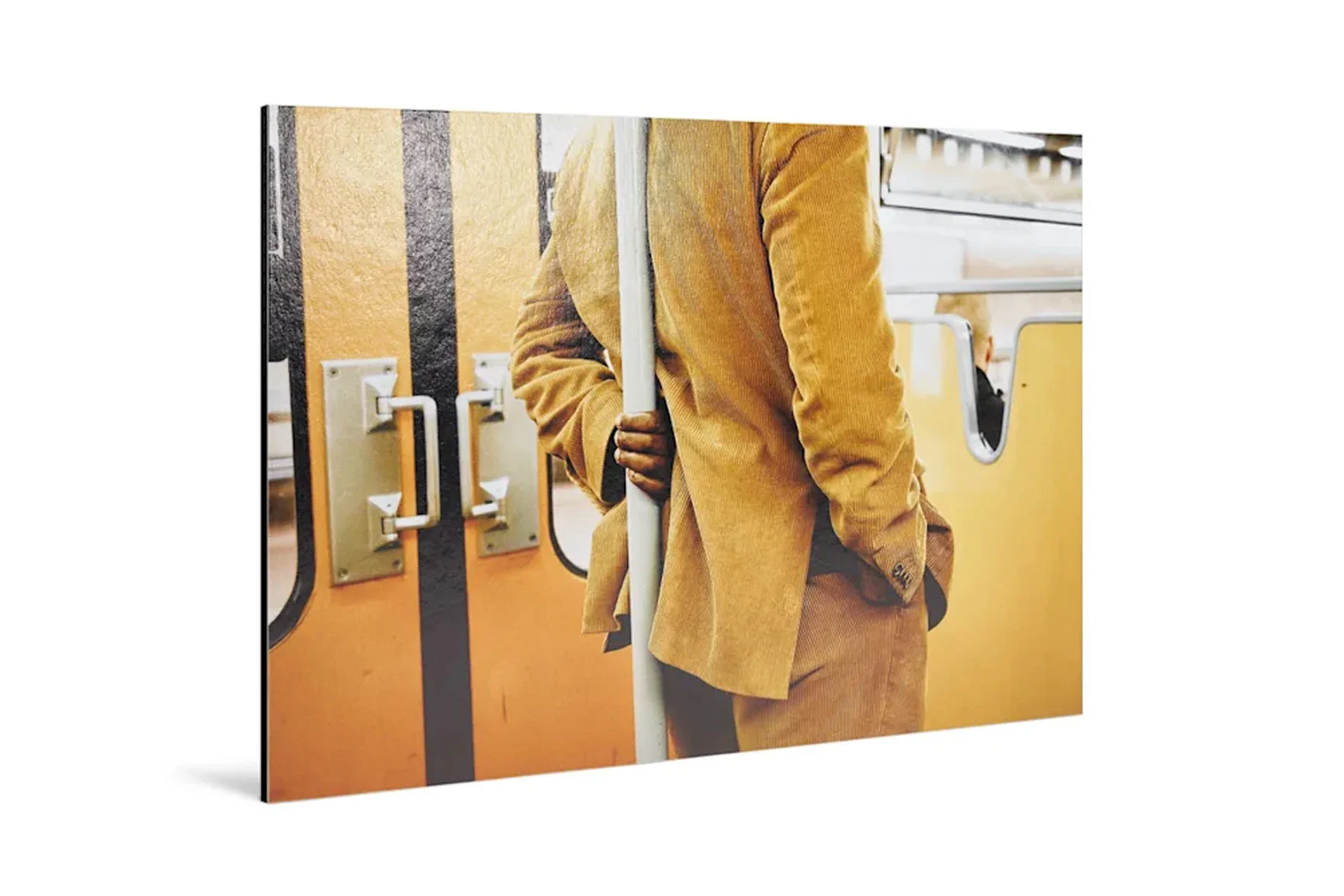
5.6 Fine Art Print on aluminum Dibond – matte, elegant, and glare-free
The Fine Art Print on aluminum Dibond combines the excellent print quality of fine art papers with the durability of aluminum Dibond. The matte finish ensures an elegant, glare-free presentation—perfect for minimalist or monochrome works.
Particularly suitable for:
Black-and-white photographs with subtle tonal gradations
Artistic architectural photographs with clean lines
Minimalist Fine Art works with understated elegance
More information about Fine Art Prints on aluminum Dibond
Summary: The Perfect Medium for Fine Art Prints
Fine Art Prints on Hahnemühle Paper: Perfect Detail and Museum Quality
Floater Frame: Classic gallery look with a floating effect
Fine Art pigment print behind acrylic glass: Maximum sharpness and color depth
WhiteWall Design Edition: Exclusive framing for modern art photography
Fujiflex High-Gloss Prints: Ideal for glossy surfaces and technical subjects
Fine Art Print on aluminum Dibond: Sophisticated, matte aesthetic for minimalist works
6. Conclusion: Perfectly Presenting the Art of Fine Art Photography
Fine Art photography is a unique way to express artistic visions and capture emotions in images. It goes beyond mere documentation and relies on a deliberate creative approach—whether through composition, lighting, color design, or symbolic elements.
For a Fine Art piece to make its full impact, the right presentation is crucial. High-quality prints on premium materials such as Hahnemühle paper or aluminum Dibond enhance the aesthetics of the images. Acrylic glass intensifies colors and depth, while specially designed frames like the WhiteWall Design Edition lend the artwork an exclusive touch.
Whether minimalist and matte or brilliant and glossy—choosing the right printing medium is just as much a part of the artistic process as the photograph itself. Fine Art photography deserves to be presented at the highest level so that its impact can be felt for years to come.
Learn more about the author
Jan-Ole Schmidt (better known simply as Ole) is from northern Germany and has been with WhiteWall for many years. As a team leader in product management, he brings extensive experience in the photography industry. He taught himself photography and has built up in-depth expertise in image production, papers, laminations, and framing.
His strength lies in the combination of technical expertise and customer perspective - from file upload to framing in the WhiteWall configurator. Ole has held workshops, been a guest on podcasts and is in close contact with the photography community. He lives, works and photographs in Cologne.

WhiteWall Product Recommendations


We’re Happy To Help
Stores Need assistance?Our team will help you select the perfect products!Discover Now
Customer Service Feel free to call us at +44 20 34 111 846 or send us an email at info@whitewall.com.Digital appointment
Gift Certificates The Right Photo GiftDiscover Now
