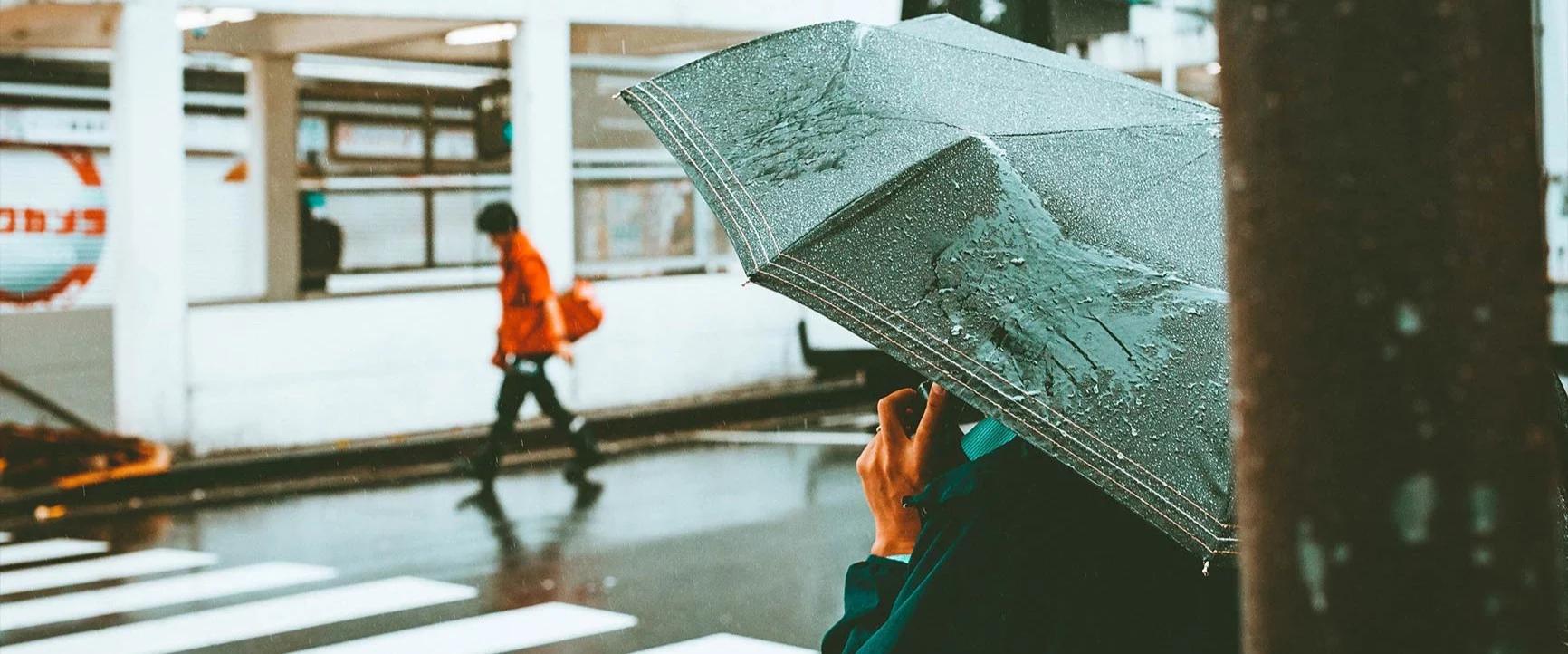
Street photography: Approach and ethics
By WhiteWall expert Jan-Ole Schmidt
Street photography is one of the most fascinating and challenging genres of photography. It captures the vibrant life, culture, and countless stories that unfold on the streets of our cities. But how do you create authentic and expressive images that captivate the viewer? In this comprehensive guide, you’ll learn everything about the techniques, equipment, and creative approach that will help you succeed in street photography. On top of that, no other genre walks such a fine line between personal rights and privacy. This also makes the legal aspect of street photography an important topic.
What is street photography?
Let’s start with a brief definition—or rather, an answer to the question of what street photography actually is.
Street photography captures the authentic, real-life moments on the street. Here, there is (usually) no artificial lighting like in a studio, no staging, and no posing. It’s about spontaneous moments, atmosphere, and unique instances. There are overlaps with genres like portrait photography—not only because people are often a key part of the subject, but because urban portraits adopt the look of street photography. The genre of architectural photography also has certain points of overlap that arise due to the similar locations. And the genre of travel photography, especially when photographing in urban environments such as bazaars, can also be street photography.
Street photography not only has artistic value but also documents the spirit of the times. It tells stories of places, people, and situations, thereby offering insights into life and society in different parts of the world.
The History of Street Photography
The origins of street photography can be traced back to the 19th century, when photography was just being invented and cities were developing rapidly. As cameras became more portable, photographers began documenting life on the streets.
Yet the genre is inextricably linked to one name: Henri Cartier-Bresson. In the 1930s, the French photographer popularized the genre with his concept of the “decisive moment.” He believed that in every situation there is a fleeting moment that captures the essence of the scene. As a co-founder of the Magnum photo agency, his work defined the blurred lines between documentation and observation. His images are always humanistic, never voyeuristic. Everything revolves around the moment that captures the image and its message.
Other significant street photographers such as Garry Winogrand, Robert Frank, and Diane Arbus shaped the genre in the 20th century and pushed the boundaries of street photography through their unconventional approaches and subjects. All of these are also a wonderful source of inspiration for aspiring street photographers.
Street Photography: Equipment and Technique
This is where the ambivalence of the genre is most evident. You don’t need any accessories, no special equipment, and nothing you have to carry on your back for long distances. You can step off a train at a station and find yourself right in front of your first subject. However, more than in almost any other type of photography, the challenge lies in precise timing and the ability to capture the subject—you’ll rarely get a second chance.
Camera
A small, lightweight, and unobtrusive camera is the best option. This allows you to move around as unnoticed as possible while searching for your subjects.
Most modern mirrorless cameras feature powerful sensors, impressive image quality, and effective image stabilization in durable bodies. It doesn’t really matter whether you’re shooting with a full-frame camera or one with an APS-C sensor.
Lens
Most people prefer prime lenses, mainly because of their sharpness. Popular focal lengths are 35mm and 50mm due to their natural perspective. Another reason is that they force you to move around and engage with your surroundings and the composition.
Additionally, the lenses should be relatively “unobtrusive” to match the camera. Many manufacturers therefore offer so-called pancake lenses in their lineup, which, as the name suggests, are characterized by a particularly flat design.
Compact Cameras
There are also models on the list of compact cameras that are very well-suited for street photography. These often have a fixed focal length of around 28 mm without a zoom function and are ideal companions due to their size and weight.
Minimalism in technology and maximum focus on observation and composition are the hallmarks of street photography. You don’t need a lighting setup, a flash, or a tripod. The only thing that makes the viewer look at the image for longer than a second is the story you captured in that moment.
Smartphone
Of course, you can also capture good street photos with a smartphone these days. However, if you want to print them later, you might reach your limits more quickly due to the smaller image size and lower detail depth of the smartphone’s smaller sensor. A large Photo Print behind acrylic glass (matte) could prove rather difficult.
Image Structure and Composition
But how do you find that one moment we’ve been talking about? And how do you capture it? The crucial component is planning the moment. The structure of your image is the key. The general rules of image composition will help you lay the foundation easily.
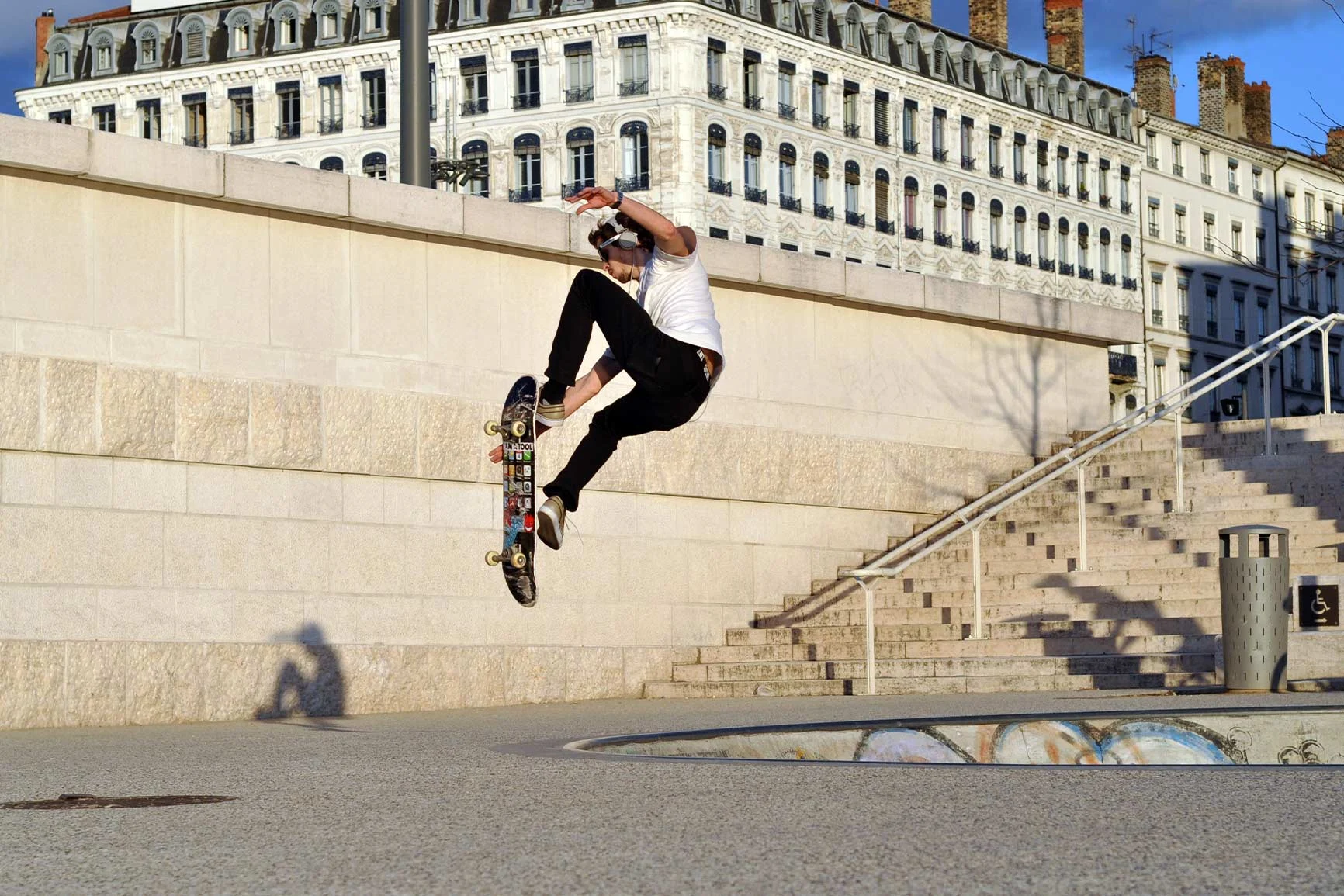
The Golden Ratio and the Rule of Thirds
These classic composition rules help you place the main subject harmoniously within the frame. Try to position the most important elements of your image along the lines of the rule of thirds grid or at the intersections of these lines.
Leading lines
Streets, sidewalks, buildings, or shadows can be used as leading lines to guide the viewer’s gaze into the image. They can create strong visual dynamics and draw attention to the main subject.
Frame within a frame
Find an interesting location, a passageway with large windows, bridges, or natural frames like windows that guide the eye. Now all you have to do is wait for your subject.
For more information on how to make your images even more impactful through conscious composition, see Chapter 5: Composition and Design.
Light and Its Significance
Light is a key element in photography, and street photography is no exception. Different types of light can dramatically change the mood and atmosphere of an image.
Natural Light
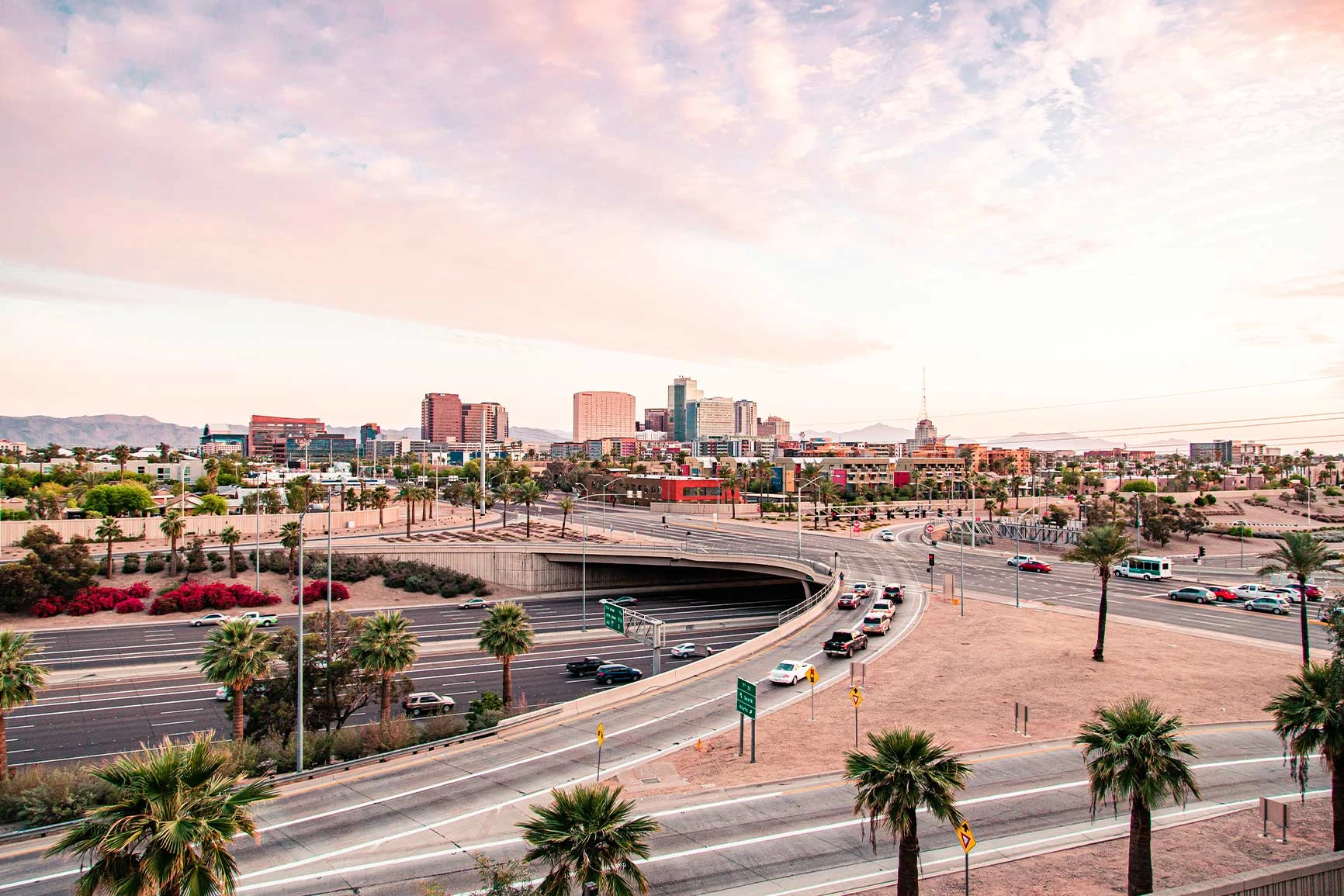
Natural sunlight can influence your photos in various ways. The golden light shortly after sunrise or before sunset, also known as the “golden hour,” produces soft, warm tones, while the harsh light at midday creates sharp shadows and strong contrasts.
While for many genres this golden hour is the prime time for photography, street photographers can head out at any time. For example, the harsh, high-contrast light at midday is useful for cutting out shadows to create silhouettes of people. This is not only an exciting effect but also helps to make them unrecognizable. More on this later in the section on legal issues and data protection.
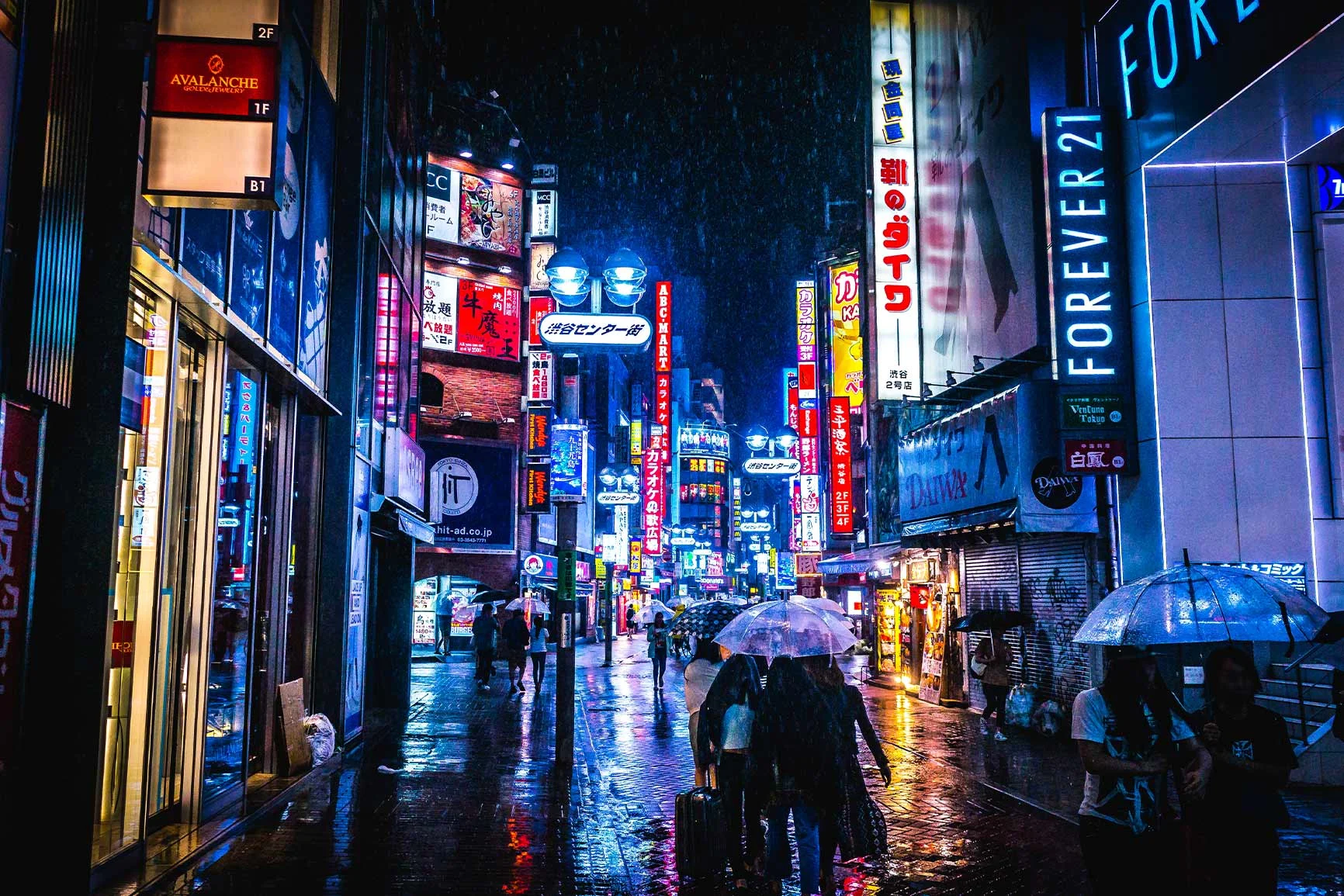
Artificial Light
Streetlights, storefront lighting, or neon lights can create exciting effects at night and make your photos even more interesting. However, night photography presents special challenges, particularly regarding exposure and motion blur.
Color Scheme and Stylistic Elements
The choice between black-and-white and color is often a matter of personal style and the message you want to convey with your image. Both approaches have their own advantages and challenges. Most images are black-and-white out of habit, as analog film offered strong contrast that works well in street photography. This charm has endured to this day.
Black and White
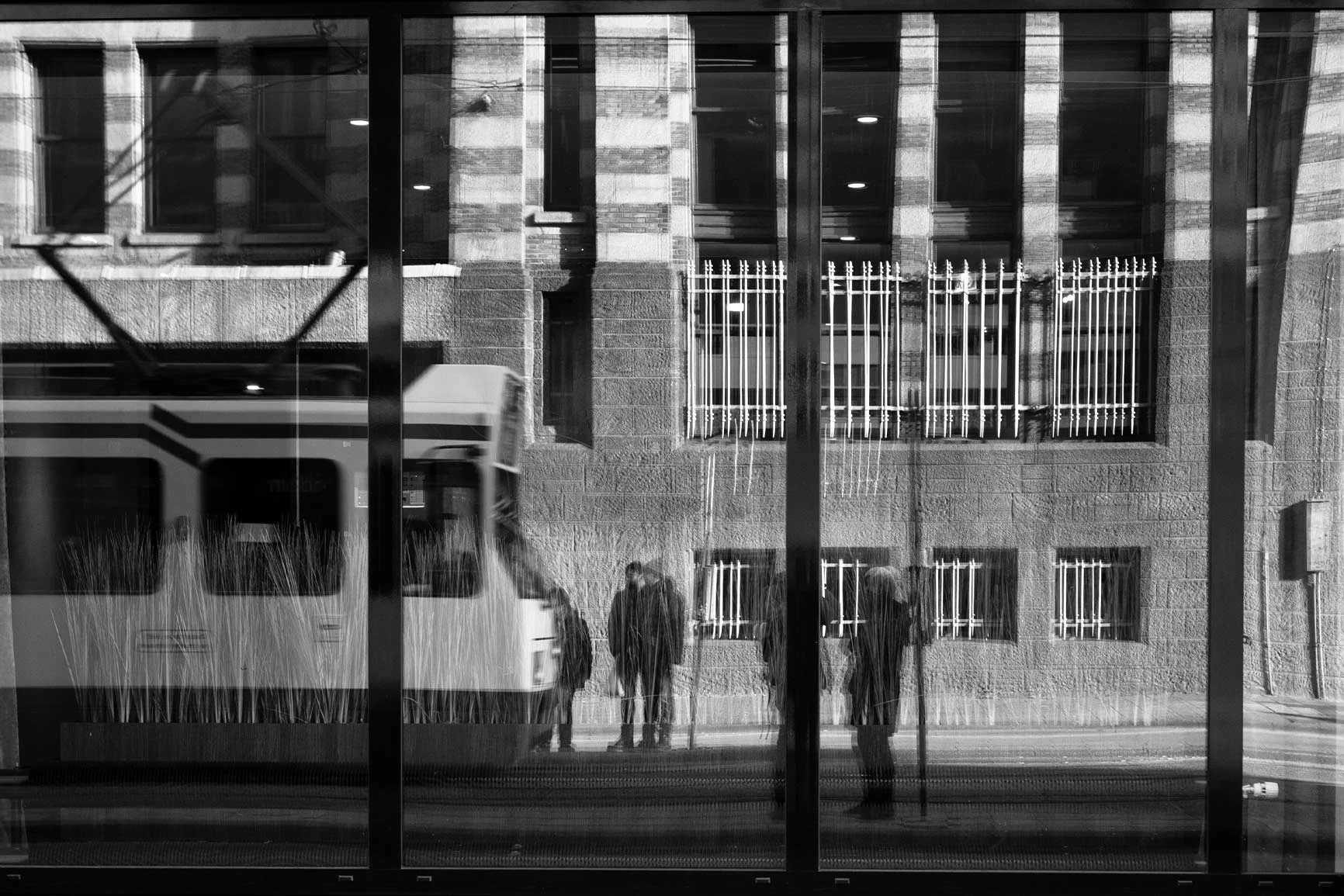
Black-and-white photography can draw attention to shapes, contrasts, and textures without being distracted by colors. It often enhances the emotional impact of an image and is particularly well-suited for scenes with strong contrasts between light and shadow.
There are also a wide variety of options for black-and-white prints—and the possibilities are so vast that we at WhiteWall have dedicated a separate black-and-white page to the topic. For example, you can showcase your artistic street photograph in large format on an Ilford black-and-white print on aluminum Dibond.
Color
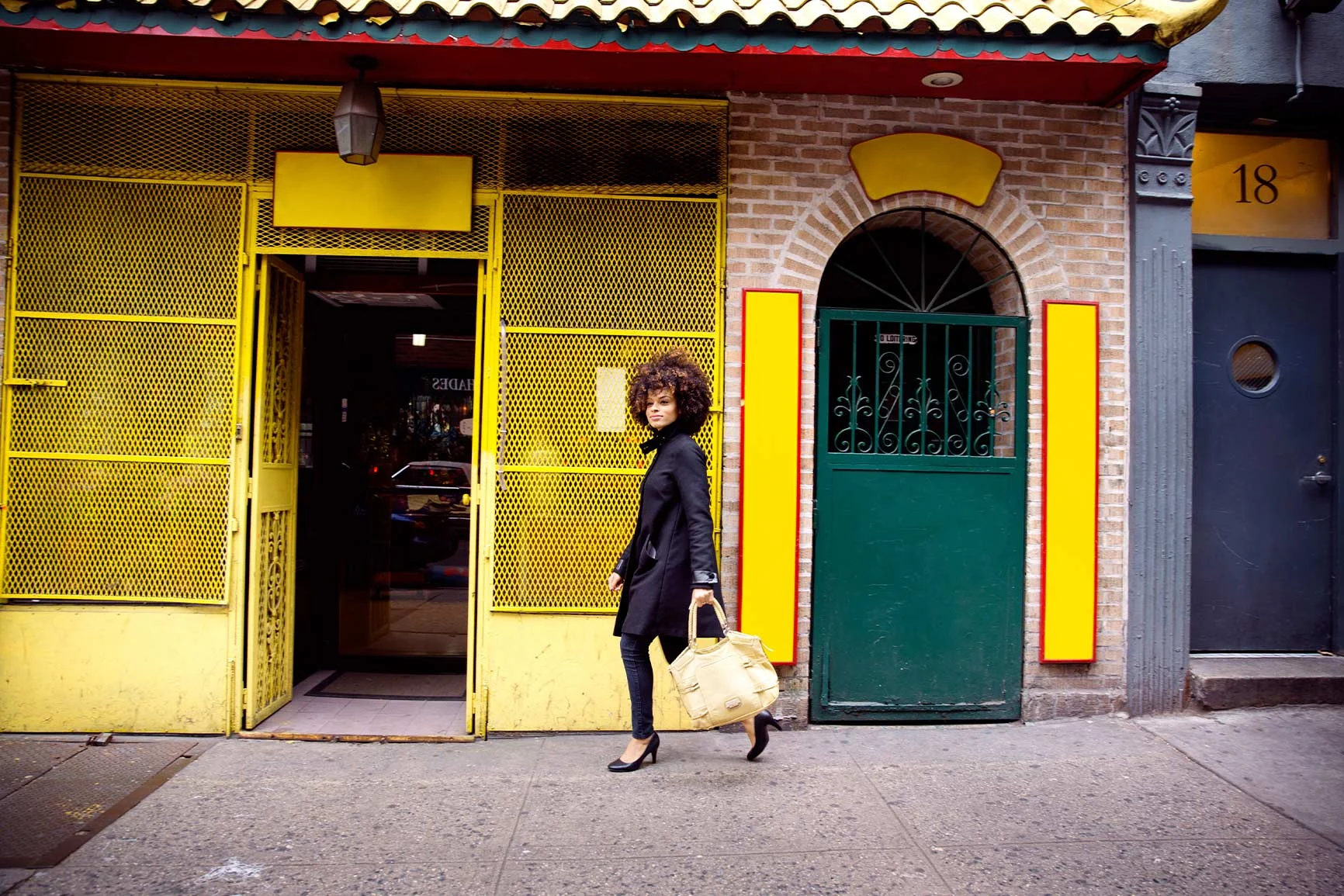
Color photography offers the opportunity to capture the vibrancy and diversity of urban life. Colors can help create moods or highlight specific elements of an image.
Emotions and Stories
Street photography isn’t just about technique; it’s also about the art of conveying emotions and telling stories. A good street photo doesn’t just capture a scene—it conveys a feeling or a message.
Pay attention to the facial expressions and body language of the people. A smile, a tear, an intense gaze—all of these can breathe life into an image and allow the viewer to form a deeper connection with the subject.
Think about the story your image tells. Is it the story of a lonely man on a bustling street? Or of a happy couple in the midst of a chaotic marketplace? By seeking out such moments, you can create images that go far beyond the visual and touch the viewer emotionally.
Street photography thrives on capturing the “decisive moment,” a term coined by Henri Cartier-Bresson. It’s about capturing the exact moment when all the elements of an image come together to tell a story.
Challenges and Ethical Considerations in Street Photography
Street photography often raises questions of privacy and ethics, especially when people are photographed without their knowledge or consent. While it is legal in many countries to photograph people in public, this does not automatically mean that it is ethically justifiable . Remember, this is not documentary photography covering an event or people of broader interest.
What’s important here is a respectful approach. Before taking a photo, ask yourself if you would feel comfortable being photographed in that situation. Avoid photographing people in embarrassing or compromising situations. If you’ve taken a particularly expressive portrait, consider asking the person for their consent before publishing the image.
Rights and Data Protection
The legal framework for street photography can vary greatly depending on the country and region. While it is completely legal in some countries to photograph people in public spaces, other countries have strict regulations regarding the protection of privacy and personal rights.
In Germany, the publication of images of individuals is restricted by the general right of personality of the person depicted under Art. 2(1) in conjunction with Art. 1(1) of the Basic Law (GG), and the publication of public scenes is restricted by the right to one’s own image. According to § 22 of the Artistic Copyright Act (KunstUrhG), images may only be distributed or publicly displayed with the consent of the person depicted. However, § 23(1)(4) of the KunstUrhG provides an exception to this if the distribution or display serves a higher interest of art. According to § 23(2) of the KunstUrhG, this applies only to distribution and display that does not infringe upon a legitimate interest of the person depicted.
If you are concerned that publishing a photo might infringe on a person’s privacy, there are ways to preserve anonymity. A common method is to pixelate faces or avoid distinctive identifying features. For example, by including people in your composition only from behind or as silhouettes.
The best solution when a person is clearly recognizable is to speak to them directly. Show them the image, exchange social media accounts, or give them a business card with your profile. The decision of whether and when to interact with the people you photograph depends on your personal ethics and the desired outcome. In some cases, a friendly interaction can win people’s trust and lead to deeper and more expressive images.
Conclusion: Easy to get into, hard to master
There’s no easier way to get into photography: a camera, a prime lens, and real life. It starts small—at birthdays or barbecues where you know the people. On a city trip, by chance, when someone walks through your shot. And eventually, the message Cartier-Bresson once shared will resonate with you: capturing unique moments. The challenge isn’t the technology, but the eye, the intuition, and the right, respectful approach. You hold a powerful tool in your hands and are shaping a piece of contemporary history—even if it’s just that of a single, unknown person—for eternity. This comes with a responsibility you’ll never have to extend to a river’s flow, a starry night, or a sports car. Pay attention to what matters most: the spirit of humanism, the magic of the moment, and share it with respect.
Learn more about the author
Jan-Ole Schmidt (better known simply as Ole) is from northern Germany and has been with WhiteWall for many years. As a team leader in product management, he brings extensive experience in the photography industry. He taught himself photography and has built up in-depth expertise in image production, papers, laminations, and framing.
His strength lies in the combination of technical expertise and customer perspective - from file upload to framing in the WhiteWall configurator. Ole has held workshops, been a guest on podcasts and is in close contact with the photography community. He lives, works and photographs in Cologne.

WhiteWall Product Recommendations


We’re Happy To Help
Stores Need assistance?Our team will help you select the perfect products!Discover Now
Customer Service Feel free to call us at +44 20 34 111 846 or send us an email at info@whitewall.com.Digital appointment
Gift Certificates The Right Photo GiftDiscover Now
