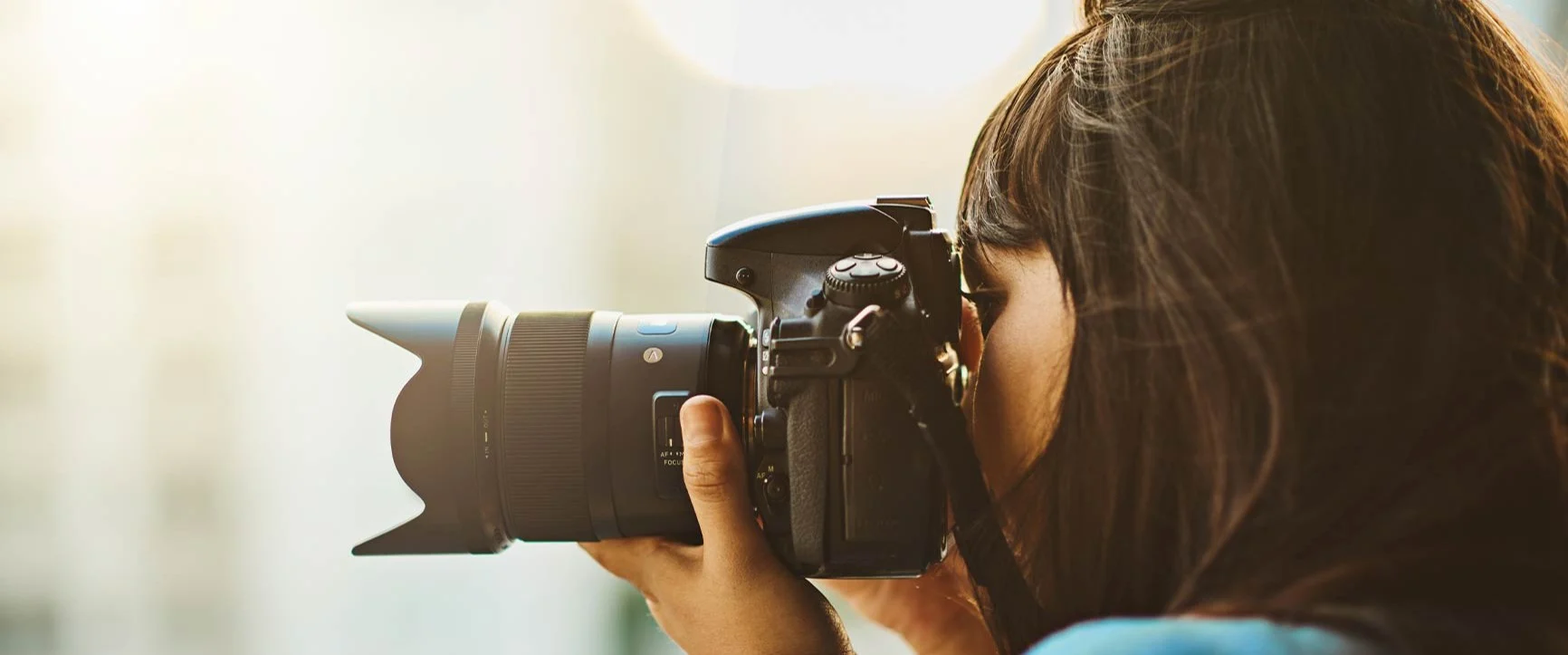
Travel photography for unique experiences
By WhiteWall expert Jan-Ole Schmidt
Travel photography is a wonderful way to capture the world around us and discover the beauty of new places. From breathtaking landscapes and fascinating architecture to authentic portraits of the local people—every trip is an opportunity to create unique images. It’s not just about the technical gear, but also about planning, a creative eye, and the ability to capture the moment. This article highlights the most important aspects of travel photography, from equipment and composition to post-processing.
The Perfect Gear for the Road
Travel photographers rely on lightweight and compact photography gear. There are two reasons for this: First, you carry your camera and lenses around with you almost every day while on vacation. Your back will thank you if the gear is a bit lighter. Second, airlines have strict weight and size restrictions for carry-on luggage. Here, every gram and every centimeter can determine whether your photography gear can be taken on board or whether you might have to leave a lens at home. The choice of camera, lenses, and accessories should therefore be geared toward finding the optimal balance between quality and portability.
Choosing a Camera: Compact and Powerful
Mirrorless system cameras (DSLMs) have become a staple in travel photography because they are significantly more compact and lighter than traditional digital SLR cameras. Since DSLMs do not have a mirror box, they are ideal for trips where weight and space are critical factors. APS-C and Micro Four Thirds cameras, in particular, offer an excellent solution, as their smaller sensors also allow for smaller and lighter lenses. This is a major advantage when it comes to reducing the size of your camera gear while still having a versatile system camera with good image quality.
For photographers who frequently have to cope with low light while traveling, full-frame cameras are particularly advantageous. This applies, for example, to photographing the Northern Lights. The larger sensors capture more light and offer better image quality in low-light conditions. Mirrorless full-frame cameras are significantly more compact than their DSLR counterparts, making them a good choice for travel photographers who don’t want to compromise on the image quality of a full-frame sensor but still need compact gear.
Lenses: Versatile and Compact
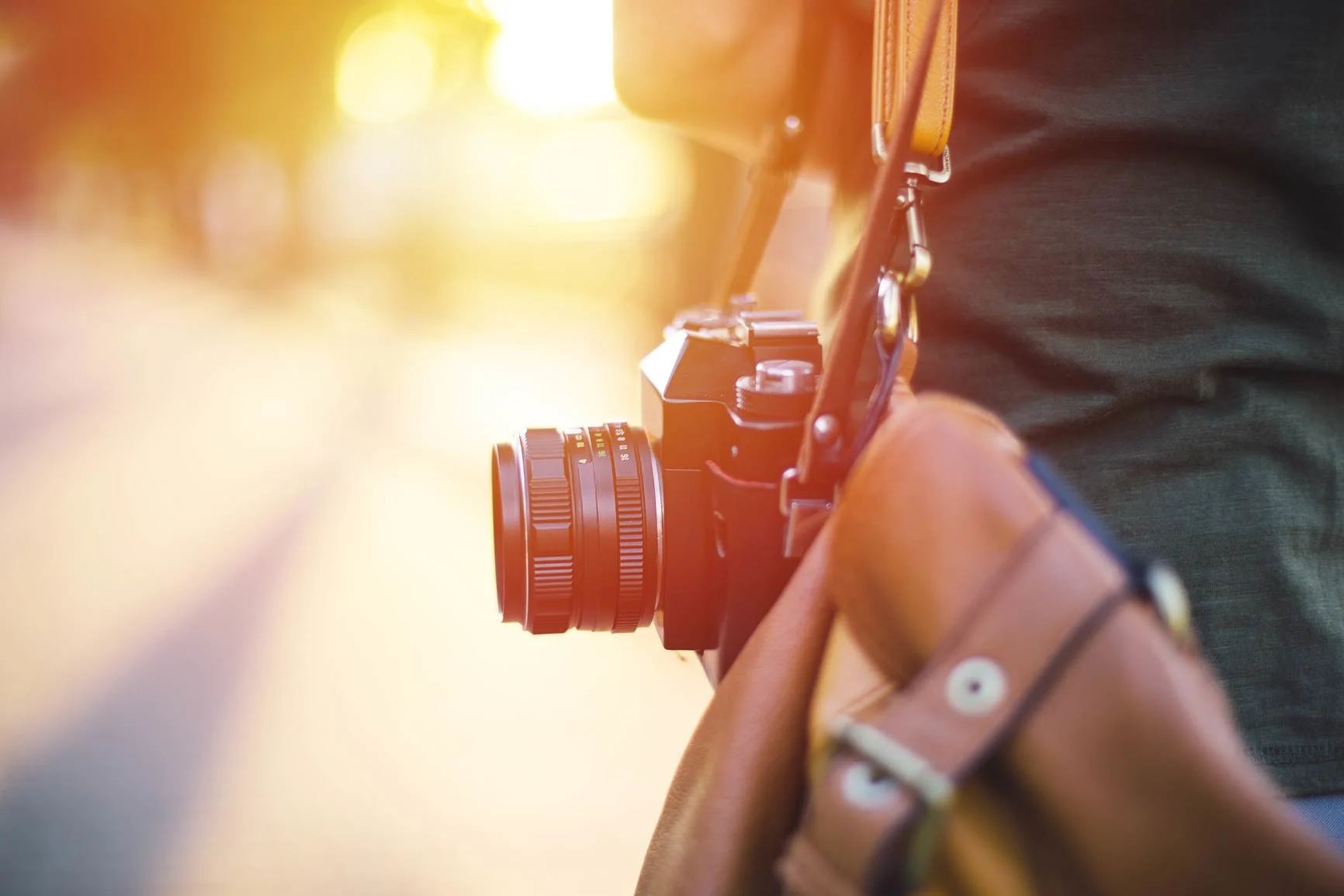
When selecting lenses, it is advisable to opt for standard or travel zoom lenses, which cover many typical shooting situations with their wide focal length ranges. Such zoom lenses can generally be used flexibly for both wide-angle and close-up shots without requiring a lens change. Zoom lenses that can be retracted to save space are particularly practical, as they take up less room in your luggage.
For portraits while traveling, fast prime lenses such as 50 mm or 85 mm are also suitable, as they produce a beautiful bokeh at wide apertures and also offer excellent image quality. Here, too, however, care should be taken to choose the most compact prime lenses possible so as not to unnecessarily increase the size of your gear. There are now many very compact prime lenses available, especially for mirrorless system cameras, with apertures ranging from f/2.8 to f/1.4. A good balance between light gathering power and compactness is crucial for remaining flexible and mobile.
Lightweight and Flexible Accessories
In addition to the camera and lenses, the right accessories are crucial. A sturdy camera bag that offers both protection and comfort is essential. Especially when traveling, it’s important that your gear is well-protected yet easily accessible.
If you enjoy photographing sunsets or generally shoot in low-light conditions often, you should definitely bring a tripod. There are special travel tripods available that are particularly compact, lightweight, and flexible. Many travel tripods can also be converted into a monopod, for example.
A headlamp is also helpful. It allows you to take photos comfortably even in the dark without having to use one hand for lighting. This is especially practical for night shots, such as in astrophotography or when photographing nighttime street scenes in foreign cities.
In addition, you should always plan for sufficient power. Spare batteries are a must, as it’s not always possible to charge them regularly while traveling. Especially on longer nature excursions or adventurous trips to remote areas, a dead battery can ruin the perfect photo opportunity.
Product Tip: The best travel photos are ideally presented on a photo behind acrylic glass from WhiteWall. This printing process enhances the brilliance of the colors, and creates a special sense of depth that really brings out the best in landscape shots and lively street scenes.
More information about photos behind acrylic glass
Preparing and Planning a Photography Trip
Thorough planning is essential for a successful photography trip. It’s worth researching potential photo spots even before you set off. Platforms like Google Maps, Instagram, or 500px offer valuable information about popular and hidden locations. Careful research helps you find the best time for your shots—whether it’s the golden hour or the blue hour, which are particularly well-suited for atmospheric shots.
Travel photography is also influenced by the weather. Cloudy days offer softer light, which is ideal for portraits and close-ups, while dramatic weather conditions like rain, fog, or storms can lead to extraordinary and atmospheric images. It is often in challenging weather conditions that the most exciting photos are taken. Flexibility and a willingness to adapt to changing conditions are therefore crucial.
The Art of Landscape Photography While Traveling
Landscape photography is one of the most popular categories in travel photography, but it requires a certain understanding of image composition. The rule of thirds is a useful tool for creating harmonious and balanced images. By dividing the image into nine equal sections, the main subjects can be placed along the intersections, giving the image a natural balance.
Leading lines such as rivers, roads, or paths help guide the viewer’s eye through the image. They create depth and lend the image dynamism. An interesting foreground, such as rocks, plants, or architectural elements, adds dimension to the image and draws the viewer into the scene.
Use of Filters
Filters are particularly helpful for enhancing certain effects in landscape photography. A polarizing filter helps minimize reflections on water surfaces and increase color saturation, which makes a big difference, especially with blue skies and green landscapes. A neutral density filter, or ND filter for short, allows for long exposures even in daylight, so that flowing water or passing clouds can be rendered soft and fluid.
For example, when photographing a river or waterfall, an ND filter makes the water appear like a silky veil, while the surrounding rocks and plants remain razor-sharp. This technique brings movement to the image and gives it a calm, almost meditative effect.
Portrait and Street Photography While Traveling
Portrait and street photography are among the most fascinating areas of travel photography. A respectful approach is crucial, especially when photographing locals. Before taking a photo, it’s important to politely ask for permission. A friendly smile or a brief conversation often helps break the ice and gain people’s trust. Authentic portraits emerge when the subject feels comfortable and relaxed.
Street photography is all about capturing spontaneous moments and scenes from everyday life. Here, focal lengths around 35 to 50 mm and a compact, and thus portable, camera are essential to optimally capture the dynamics of street scenes. Whether at a bustling market, in a narrow alley, or at a traditional festival—street photography requires patience and a keen eye to capture the perfect moment.
Travel Photography in Low Light
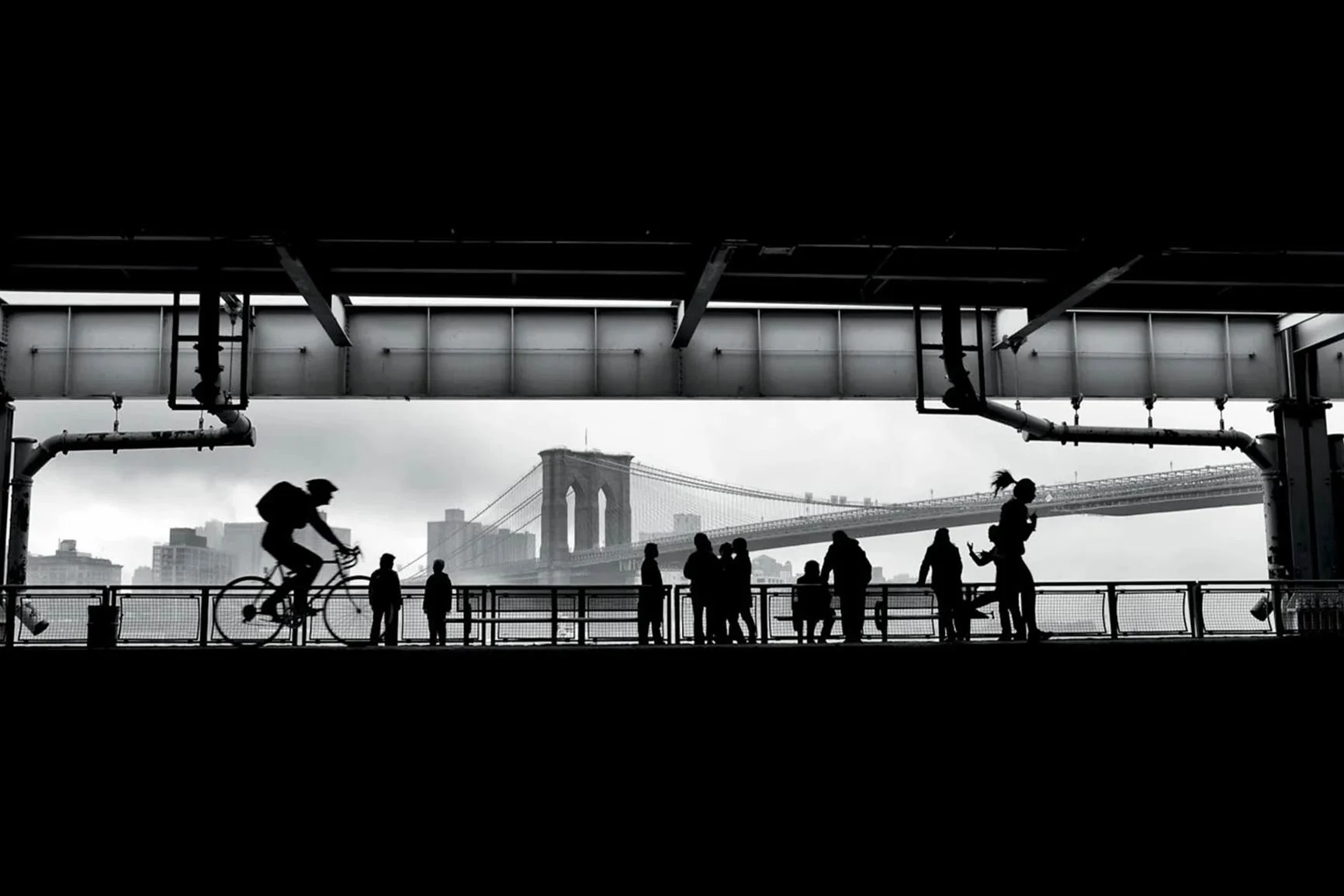
Low-light situations often present a particular challenge, especially indoors in places like temples or when shooting at night. Wide apertures and high ISO settings are necessary to capture enough light in such situations. A sturdy tripod is essential here to prevent camera shake, especially during long exposures.
Long exposures are a creative technique for, for example, depicting the lights of cars at night as glowing lines or trails, while the surroundings remain clear and still.
Direct sunlight often creates harsh shadows and overexposed areas. Here, it can be helpful to use the shadows intentionally as a compositional element or to soften the light with a diffuser to create a softer glow.
Creative Approaches to Travel Photography
Travel photography offers countless opportunities to be creative and develop a personal visual language. It’s not about capturing the obvious, but rather finding new perspectives and angles that surprise the viewer. This works best when you experiment with different angles. A bird’s-eye view can make a familiar subject appear completely new by conveying a sense of vastness. Conversely, an extreme close-up can draw attention to details that are otherwise easily overlooked—such as the texture of an old wooden door or the colors of an exotic flower.
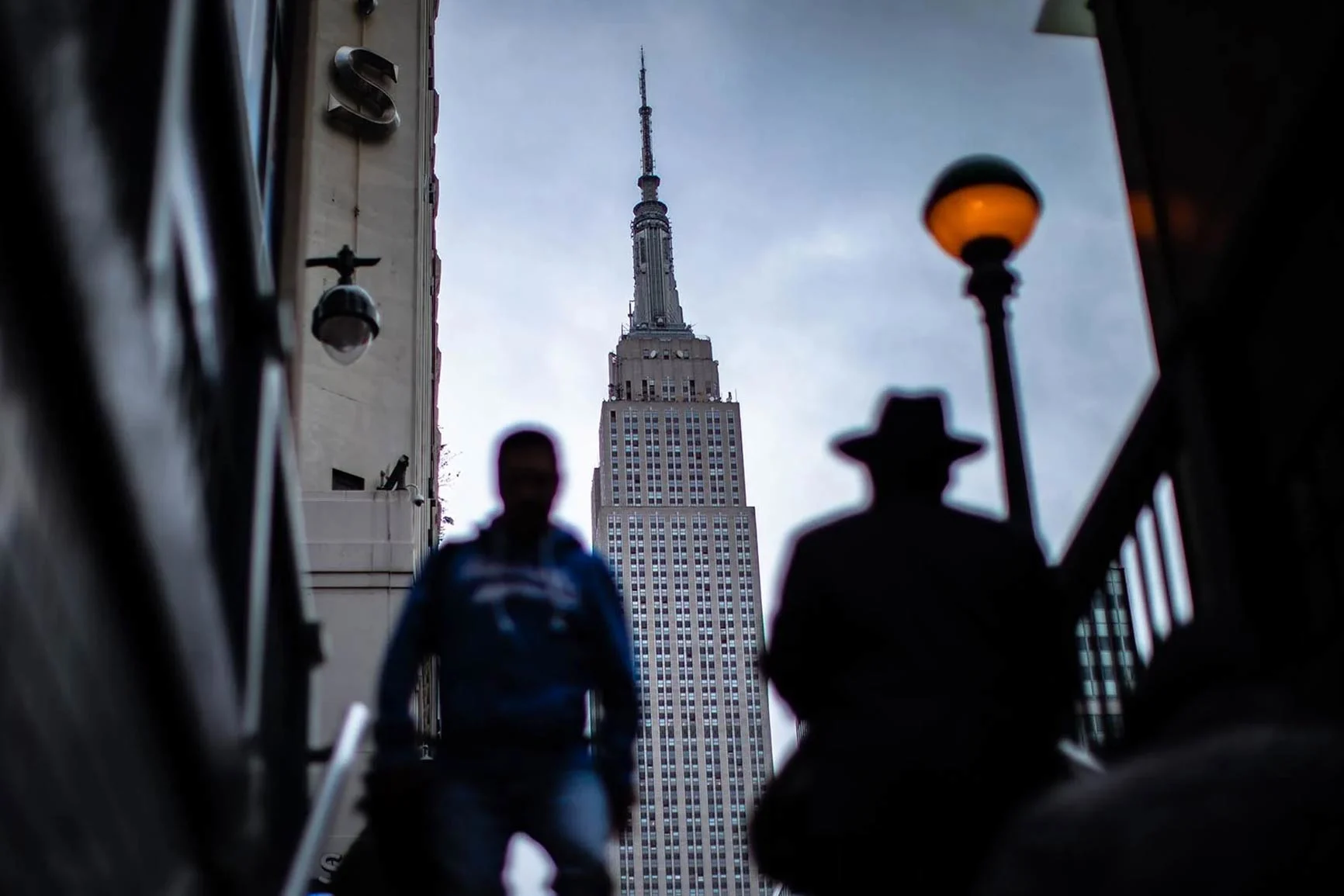
Playing with focal lengths also allows for exciting visual effects. A wide-angle lens is ideal for capturing vast landscapes or urban scenes, while a telephoto lens can be used to isolate distant details or create a dense, compressed image.
Outstanding travel photos also result from the courage to explore new approaches to composition. The deliberate decision to work with plenty of negative space in the frame, for example, can lead to images that are both minimalist and expressive. For instance, vast desert landscapes or the expansive sky above a mountain peak can be captured in a minimalist style that conveys tranquility and grandeur.
Another creative approach is to tell the story behind the image. Instead of taking individual photos, you can create a series or a visual diary that documents the entire journey. This series could, for example, tell the story of a walk through a bustling city or a trip to a remote destination, with each image telling a different part of the story.
Post-processing travel photos
Post-processing is a crucial step in getting the most out of the photos you’ve taken. Careful editing helps preserve the natural atmosphere of the photos. With programs like Adobe Lightroom and Photoshop, you can adjust exposure, contrast, and colors to optimize the image.
Retouching helps remove distracting elements that might clutter the image. Especially in busy tourist spots or street scenes, it can be helpful to remove unwanted people or distracting objects. Particularly in heavily frequented tourist areas, retouching helps reduce the image to its essentials and direct the focus to the main subject. Sharpness correction is also an important step for highlighting fine details and maximizing the image’s clarity.
Color correction plays a particularly important role in landscape photography. With slight adjustments, color tones can be made more natural or more vibrant. In portraits, it is important to render skin tones accurately to achieve natural and authentic results.
Conclusion
Travel photography is more than just capturing memories—it is the art of capturing the essence of a place and a moment. Whether it’s choosing the right equipment, planning the perfect moment, or creatively playing with perspective and light—every step of a journey offers the opportunity to create special images. At the same time, post-processing is an important part of this process to get the most out of the captured images and present them in the best possible quality.
Whether landscapes, street scenes, or portraits—travel photography constantly opens up new perspectives and creative challenges. Through careful planning, the conscious use of technology, and the ability to react spontaneously to new situations, travel photographers can create unique images that not only capture the moment but also tell stories. Presenting these images—for example, as a photo behind acrylic glass or as a WhiteWall Coffee Table Book—brings the special moments of a journey to life and gives them a lasting presence.
Learn more about the author
Jan-Ole Schmidt (better known simply as Ole) is from northern Germany and has been with WhiteWall for many years. As a team leader in product management, he brings extensive experience in the photography industry. He taught himself photography and has built up in-depth expertise in image production, papers, laminations, and framing.
His strength lies in the combination of technical expertise and customer perspective - from file upload to framing in the WhiteWall configurator. Ole has held workshops, been a guest on podcasts and is in close contact with the photography community. He lives, works and photographs in Cologne.

WhiteWall Product Recommendations


We’re Happy To Help
Stores Need assistance?Our team will help you select the perfect products!Discover Now
Customer Service Feel free to call us at +44 20 34 111 846 or send us an email at info@whitewall.com.Digital appointment
Gift Certificates The Right Photo GiftDiscover Now
