Wedding Photography
By WhiteWall expert Jan-Ole Schmidt
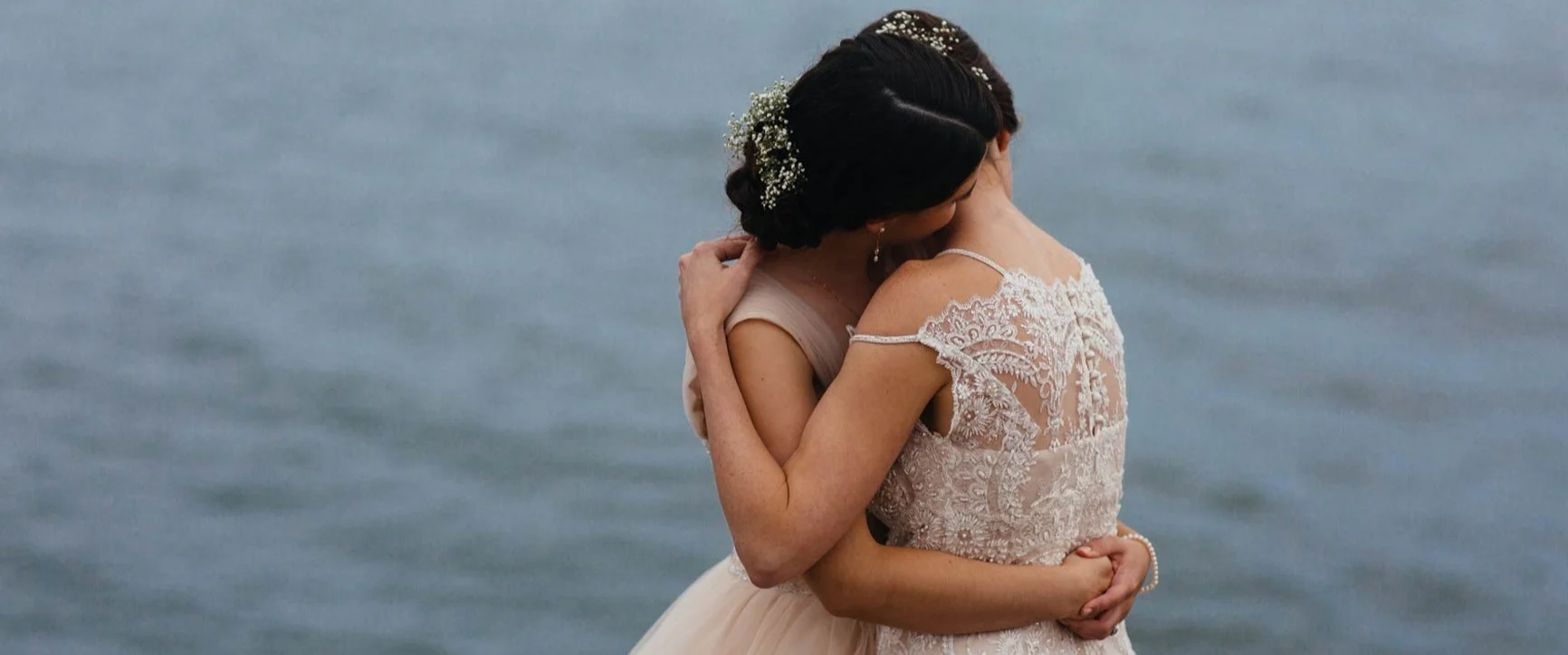
Wedding photography is one of the most demanding disciplines in photography, as it requires technical precision, creative intuition, and a keen sense for the emotional moments of the day. A successful wedding photo story tells the story of the entire wedding day and captures the defining moments, the atmosphere, and the small details that make the celebration so special. This article provides a step-by-step guide to the most important aspects of wedding photography and offers amateur photographers and photography enthusiasts valuable tips for high-quality wedding photos.
Professional Equipment for Wedding Photos with a Wow Factor
In wedding photography, reliable equipment is essential, because every moment can only be captured once. Weddings encompass a wide variety of scenes and lighting conditions—from the bride’s preparations to the ceremony and the evening celebration under artificial light. The equipment must therefore be adaptable, robust, and capable of delivering optimal results under all conditions.
Choosing a Camera: Reliability, Quality, and Speed
DSLRs and mirrorless cameras are ideal for wedding photography. They offer the necessary flexibility and control over settings such as aperture, shutter speed, and ISO to respond to changing lighting conditions at any time. Another important factor is autofocus performance: Since many key moments, such as the exchange of rings or the first kiss, last only a fraction of a second, precise and fast autofocus is crucial.
It is also advisable to use two camera bodies. A second body provides a backup in case of technical issues and allows you to use different lenses simultaneously without having to constantly switch them out. For example, one camera can be equipped with an 85mm lens for portraits and another with a 24-70mm lens for group photos. This saves a lot of time that would otherwise be spent changing lenses.
Lenses: The Right Focal Length for Every Situation
Lenses have a major impact on the visual effect of an image and allow for different perspectives and moods. Some of the most important lenses for wedding photography are:
Prime lenses with 35 mm, 50 mm, and 85 mm focal lengths: These lenses offer an ideal focal length for candid shots and portraits, and their large aperture (e.g., f/1.4 or f/1.8) allows for a shallow depth of field, which highlights the subject against a blurred background (also known as bokeh). As a result, fast prime lenses are excellent for capturing intimate, emotional portraits of the bride and groom or the guests, creating a harmonious, natural perspective. Thanks to their large aperture, they also allow more light to reach the sensor, enabling shots in low ambient light, such as in registry offices and churches.
70-200mm telephoto lens: A 70-200mm lens is ideal for discreet and unobtrusive shots from a distance. It is particularly well-suited for the wedding ceremony when you want to photograph the couple up close without disrupting the intimate moment. The wide zoom range also allows you to capture details in spontaneous situations, such as the first dance or the smile of a family member.
24-70 mm zoom: A standard zoom like a 24-70 mm with a constant aperture of f/2.8 offers flexibility and versatility. At 24 mm, it’s wide-angle enough to photograph larger groups or the venue, while the longer focal length up to 70 mm also allows for portraits. It’s the perfect “go-to lens” that covers many situations.
An additional macro lens can be used for close-up shots such as rings, the bridal bouquet, or other decorative elements of the wedding. Thanks to the large reproduction ratio of up to 1:1, even the finest details can be captured with precision.
Lighting and Flash Units
Weddings often take place under changing lighting conditions—from natural daylight in parks or through the windows of the registry office to subdued or artificial lighting in reception halls and party venues. Flash units are therefore indispensable for producing well-lit and vibrant images even in darker environments. An external hot-shoe flash offers more control and flexibility than a camera’s built-in flash, as it provides more power, allows for different flash angles, and enables softer, more even, and thus more natural lighting through the use of a diffuser.
Additional light modifiers such as softboxes or reflectors ensure even light distribution. Reflectors are particularly suitable for outdoor portrait photography, as they direct sunlight onto the faces of the bride and groom and brighten shadows.
Backup Equipment and Storage Capacity
Since wedding photo shoots often last all day, it is important to be prepared for all eventualities. Extra batteries and memory cards are therefore a must to ensure that the camera equipment remains ready for use at all times. High-quality memory cards with high capacity and fast write speeds are particularly helpful for continuous shooting when many images are captured in a short period of time. Some camera models offer the option to save to two memory cards simultaneously . This allows the second card to serve as a backup, providing additional security in case one card fails.
In addition, a well-organized camera bag is essential for transporting equipment quickly and safely. A padded compartment for each piece of equipment, along with multiple compartments for batteries, memory cards, and filters, ensures that everything is quickly within reach. A bag with a comfortable carrying system is particularly helpful when photographers are on the go all day.
Camera straps are also recommended so that cameras don’t have to be held in the hand constantly but can hang comfortably at waist height on the strap. This way, the camera is always within reach.
Product Tips: The most beautiful wedding photos really shine when presented behind WhiteWall’s acrylic glass. This presentation format enhances color depth and creates a special sense of depth, making it ideal for emotional portraits and festive group photos. The acrylic glass makes the colors pop and gives the image a high-quality, elegant look.
More information about photos behind acrylic glass
For a detailed and natural representation, Fine Art Prints on high-quality Hahnemühle paper from WhiteWall are ideal. This printing option emphasizes the soft tones and fine texture of the images and is perfect for atmospheric wedding photos that create a delicate yet vibrant atmosphere.
More information about Fine Art Prints
Planning and Preparation for the Wedding Photo Reportage
Initial Consultation with the Couple: Clarifying Wishes and Expectations
An initial consultation with the couple is an important step in clarifying their ideas and wishes. Asking whether the couple prefers certain styles or images—for example, formal portraits or more relaxed, candid shots—helps tailor the work to their preferences. Asking about specific people or moments that absolutely must be captured also provides insight into which scenes should be prioritized. A detailed schedule is also discussed to determine when and where important events such as the exchange of rings, speeches, or the wedding dance will take place.
Checklist and Schedule: Bringing Structure to the Wedding Day
A checklist can help plan all the important tasks and scenes that need to be photographed. Details such as the number and order of group photos, special portrait shots, or photographing decorations and accessories are noted here. A set schedule allows you to position yourself correctly at the key moments of the day and capture spontaneous shots without stress.
Location Reconnaissance: Getting to Know the Surroundings
A preliminary visit to the wedding venue helps identify the best spots for photos and familiarize yourself with the lighting conditions. This allows you to identify light sources and shadowed areas and plan the best shooting positions for the day. It’s particularly helpful to get a feel for the layout so you can move quickly and efficiently between key locations on the wedding day.
Wedding Photography in Perfect Light
Light adds depth to images, highlights emotions, and brings out details. The challenge in wedding photography lies in adapting flexibly to varying lighting conditions, as weddings often take place at different venues and at different times of day. A combination of natural and artificial light yields the best results and allows you to find the perfect light in any situation.
Natural Light: Creating Authenticity and Atmosphere
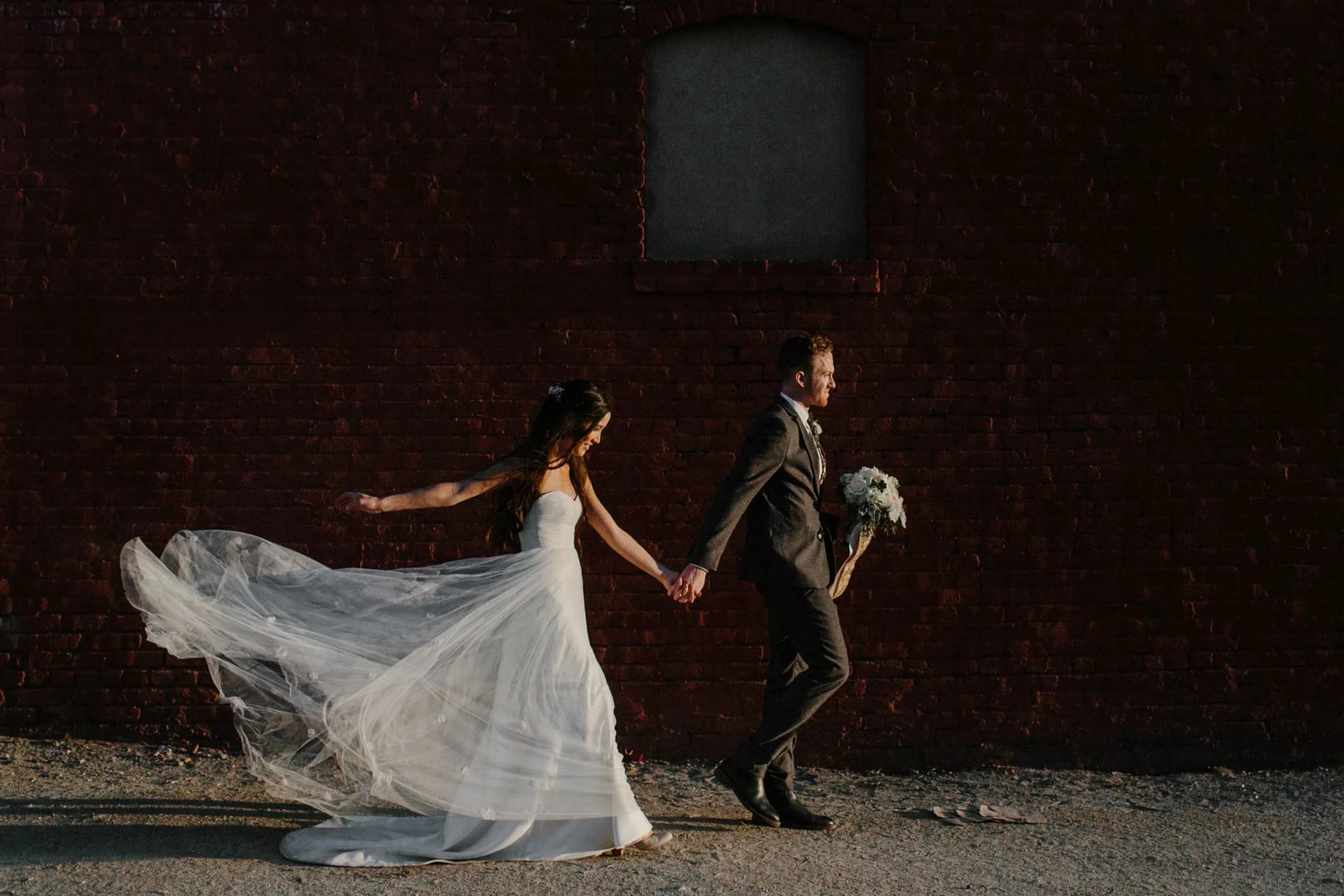
Natural light is often preferred in wedding photography because it creates an authentic and warm atmosphere. The golden hour—the time just before sunset—in particular offers ideal lighting conditions for portraits of the bride and groom. The warm light creates a harmonious, romantic mood. Additionally, the soft light flatters the skin and creates subtle shadows that add depth to the face.
Even a cloudy sky can be advantageous, as the clouds scatter the sunlight and create even, soft lighting. The diffused light prevents harsh shadows and makes colors appear more natural, which is especially important for emotional portraits.
Artificial Light: Control and Consistency
While natural light is often the first choice, wedding photography indoors or in low-light conditions requires additional artificial lighting. Reception halls and party venues often have subdued lighting conditions that require a clip-on flash. External clip-on flashes offer a high degree of flexibility. The flash head can be tilted and rotated at various angles, allowing for indirect flash via a wall or ceiling. This softens the flash light and prevents harsh shadows.
A flash with a diffuser spreads the light evenly, making it appear more natural and causing less glare for people. In addition, there are various light modifiers that can be attached to the flash head to direct, focus, or diffuse the light.
Using Backlighting and Silhouettes Creatively
Backlighting can create a special atmosphere in wedding photography by making the couple or guests appear as silhouettes. This technique is often used at sunset or when the couple enters the church. Backlighting gives the image a mystical, romantic atmosphere that is particularly emotional. When shooting against the light, it’s helpful to use a wide aperture (i.e., a small f-stop, e.g., f/2.8) to create a beautiful background blur and make the couple stand out from the background.
An additional flash or reflector can be used to subtly brighten the couple in backlit shots without compromising the special effect of the backlighting. This creates a balance between the silhouette and the facial features, which enhances the emotional intensity of the shot.
Lighting in the Church and During the Ceremony
Churches and chapels often have challenging lighting conditions with little natural light and mixed light sources. An external clip-on flash can be helpful here, but should be used with caution and only when absolutely necessary, so as not to disrupt the atmosphere of the ceremony. A high ISO setting on the camera (e.g., ISO 1,600 or ISO 3,200) allows you to work without a flash in low-light conditions, which is particularly advantageous during sensitive moments of the ceremony.
If a flash is necessary, it should ideally be used with a diffuser attachment for soft light or indirectly via the extendable reflector panel on the flash head. In churches, fast prime lenses or a fast telephoto lens with a 70-200 mm f/2.8 aperture are ideal, as these lenses offer excellent sharpness and a pleasing separation from a blurred background even in low-light conditions.
Dance Photos: Dynamism Through Flash and Movement
The evening hours are often a challenge in wedding photography, as the light is more subdued and movements become faster and more spontaneous, especially during the festivities and dancing. This is where the flash is used on the second- . This technique allows you to capture the dancers in sharp focus while simultaneously freezing the dynamic dance movements with a slight blur in the image. To achieve this, the flash is triggered only at the end of the exposure, which gives the images a special dynamic quality.
Tips for Successful Wedding Photos
Portrait Photography of the Bride and Groom: Capturing Emotions
Portrait photography requires empathy to ensure the couple feels comfortable and relaxed. The best photos result when the emotions are genuine and the poses look natural. Maintaining a slight distance and using a telephoto lens create an intimate atmosphere that allows even shy couples to pose comfortably. Tips and gentle suggestions for the couple on how to face each other or hold hands help create an authentic and expressive visual impact.
Close-ups and Decorations: Capturing the Wedding’s Ambience
Details tell the story of the day and are therefore particularly valuable. Flowers, rings, table decorations, and the wedding cake are elements that stand out especially well in close-ups. A macro lens uses a shallow depth of field to highlight even the smallest details against a soft bokeh.
Focus on the important moments
Emotional and dynamic moments such as exchanging rings, the first kiss, or lively dance scenes are among the most important moments in wedding photography. Fast autofocus and continuous shooting help capture spontaneous laughter or tears of joy, capturing emotions authentically and ensuring no important moment is missed. With a shallow depth of field—that is, an aperture opened as wide as possible—these moments can be brought even more sharply into focus.
Unusual Perspectives and Angles
Unusual perspectives—for example, through a window, a veil, or among flowers—give the image more depth and drama. Reflections on water or glass can be used as artistic design elements and create an interesting, almost dreamlike visual effect. Wide-angle and close-up shots are also effective for making the composition more dynamic.
Mastering Group Photos
Group photos are often a challenge because many people need to be coordinated at once. Arranging people in a staggered formation on a staircase or similar surface creates a balanced image where everyone is shown to their best advantage. If a staggered arrangement isn’t possible, it also helps for the photographer to find an elevated shooting angle to capture the group well from above. This way, everyone looks up, and ideally, no one is blocked by others. For large groups, a wide-angle zoom lens is helpful. However, you should always ensure that there is some space left in the frame beyond the people at the outer edge, as the wide angle will otherwise cause perspective distortion for those directly at the edge of the frame. For smaller groups, on the other hand, focal lengths of 50 mm to 200 mm are recommended for distortion-free shots with beautiful bokeh.
Black-and-White Photography
Black-and-white photography has a special emotional impact and is well-suited for emphasizing intense moments such as the wedding dance or an emotional speech. Black-and-white photos highlight light, shadow, and details, drawing the eye to what matters most.
Post-processing wedding photos
Post-processing adds the finishing touches to wedding photos. Careful image selection and editing are crucial for a harmonious and emotional photo series. A structured post-processing workflow makes it easier to handle large volumes of images and ensures a consistent result.
Image Selection and Sorting
The selection process begins after the wedding. Only a selection of the best images should be edited—those that authentically and harmoniously tell the story of the day. The focus is on the important moments: from the bride and groom’s first glance to the lively dance party. A chronological arrangement helps organize the images into a logical and emotional sequence.
Basic Editing and Retouching
The reportage photos from the day typically undergo basic editing for exposure, contrast, and white balance to ensure the images appear consistent and harmonious. More time is usually taken for the portraits of the bride and groom. In addition to subtle skin retouching, details are also edited to perfectly showcase the couple. To achieve a consistent look for the images, presets in Adobe Lightroom or other programs can be used.
Product Tip: A Coffee Table Book, such as the high-quality WhiteWall Coffee Table Book, is a wonderful way to preserve the most beautiful moments in an appealing format. A Coffee Table Book offers the couple a tangible memento of their wedding day and highlights the quality and emotional value of the photos.
More information about the Coffee Table Book
Conclusion
Wedding photography is a demanding task that requires planning, technical skill, and creativity. From selecting the equipment to preparation and execution on the wedding day, all the way through post-processing—every step contributes to creating unforgettable images. With the right techniques, good equipment, and thoughtful post-processing, the most beautiful moments of the wedding can be immortalized in professional images.
Learn more about the author
Jan-Ole Schmidt (better known simply as Ole) is from northern Germany and has been with WhiteWall for many years. As a team leader in product management, he brings extensive experience in the photography industry. He taught himself photography and has built up in-depth expertise in image production, papers, laminations, and framing.
His strength lies in the combination of technical expertise and customer perspective - from file upload to framing in the WhiteWall configurator. Ole has held workshops, been a guest on podcasts and is in close contact with the photography community. He lives, works and photographs in Cologne.

WhiteWall Product Recommendations


We’re Happy To Help
Stores Need assistance?Our team will help you select the perfect products!Discover Now
Customer Service Feel free to call us at +44 20 34 111 846 or send us an email at info@whitewall.com.Digital appointment
Gift Certificates The Right Photo GiftDiscover Now
